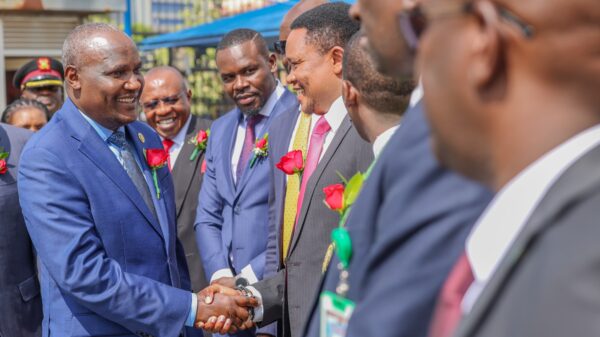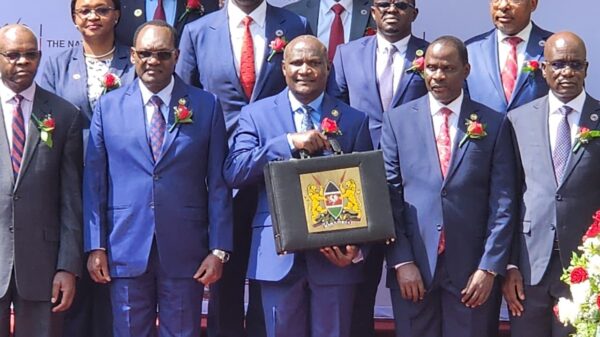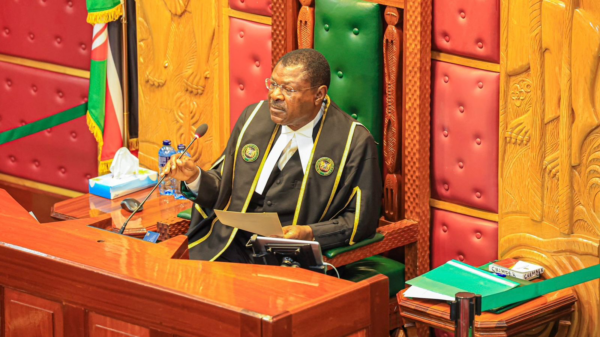













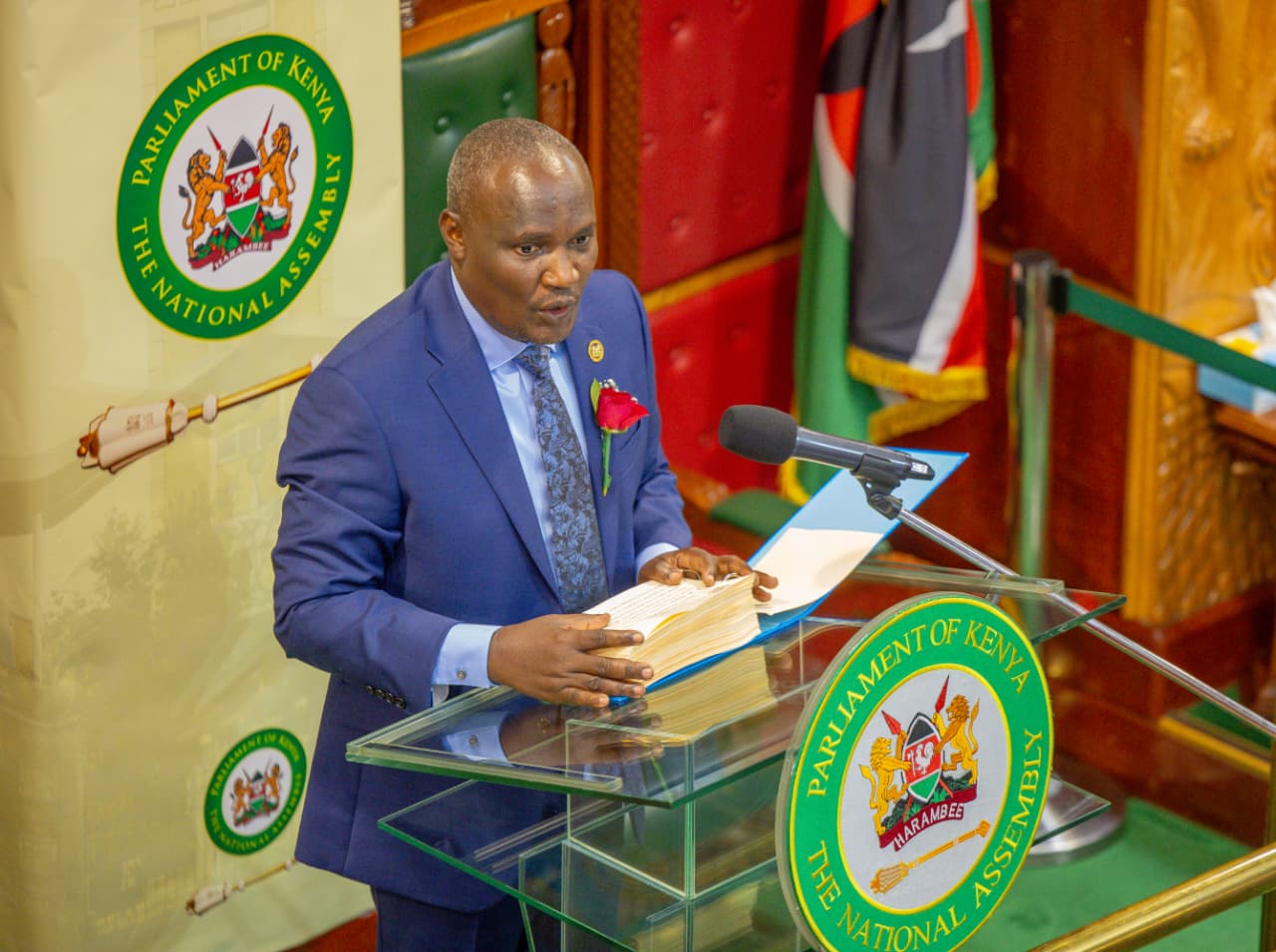

NAIROBI, Kenya June 11 – The government has earmarked Sh784.5 billion for the education sector in the 2026/27 financial year, including Sh424 billion for teachers’ salaries, with Treasury Cabinet Secretary John Mbadi dismissing claims that the Kenya Kwanza administration is underfunding education.
Presenting the Budget Statement in Parliament on Thursday, Mbadi said education remains the single largest recipient of government funding, accounting for 26.5 per cent of the ministerial budget, up from 24.5 per cent in the 2021/22 financial year.
“It is not correct that this administration is defunding education. In fact, we are funding it more,” Mbadi told MPs.
The Treasury CS said allocations to the sector have risen by nearly 49 per cent from Sh526 billion in 2021/22 to the proposed Sh784.5 billion in the next financial year.
A significant portion of the funding will go towards the Teachers Service Commission (TSC), which is set to receive Sh424 billion for teacher salaries and related expenses. The allocation has increased sharply from about Sh290 billion in 2022, reflecting the government’s push to expand the teaching workforce and improve staffing levels in schools.
Mbadi also proposed Sh136.6 billion for basic education, up from Sh107 billion in 2022, and Sh163.9 billion for higher education, compared to Sh105 billion four years ago.
An additional Sh58.5 billion has been allocated to Technical and Vocational Education and Training (TVET) institutions, while Sh1.3 billion will support science, innovation and research programmes.
The Cabinet Secretary said the increased investment is intended to safeguard learning across all levels of education while expanding opportunities for learners.
Within the allocation, Sh7 billion has been set aside for free primary education, Sh54.6 billion for free day secondary education and Sh30.7 billion for junior secondary school capitation.
Combined funding for free secondary and junior secondary education will rise to Sh85.3 billion, compared to Sh62.4 billion in 2022.
To support the administration of national examinations, the government has proposed Sh9.9 billion. Mbadi further announced that Sh1.5 billion owed to teachers who marked national examinations will be paid before the end of the current financial year.
School feeding programmes will receive Sh3 billion, up from Sh2.2 billion in 2022, as the government seeks to improve learner retention and attendance, particularly in vulnerable areas.
The budget also contains provisions aimed at addressing the teacher shortage across the country.
Mbadi announced that Sh4.9 billion has been allocated to facilitate the conversion of 20,000 intern teachers to permanent and pensionable terms from January 2027. Another Sh8.2 billion has been set aside for intern teachers, including the newly recruited 24,000 interns who are expected to transition to permanent employment from July 2027.
According to the Treasury CS, the government will have recruited a total of 116,000 teachers by next year.
“On average, this government is employing more than 20,000 teachers annually. No previous administration has employed more than 10,000 teachers per year,” he said.
To improve learning infrastructure, the government has proposed Sh4.1 billion for the construction and rehabilitation of primary and secondary school facilities and Sh2.1 billion for the construction and equipping of TVET centres.
Other allocations include Sh7.1 billion for the Kenya Primary Education Equity and Learning Programme and Sh4.7 billion for the Kenya Secondary Education Quality Improvement Programme.
University and TVET students are also set to benefit from increased funding under the new budget.
Mbadi proposed Sh56.3 billion for loans through the Higher Education Loans Board (HELB), a sharp increase from Sh15.39 billion in 2020. Universities will receive Sh30.9 billion for scholarships, while TVET scholarships have been allocated Sh9.2 billion.
The Treasury CS said the increased spending demonstrates the government’s commitment to strengthening education financing, improving access to learning and ensuring that institutions have the resources required to deliver quality education.