
















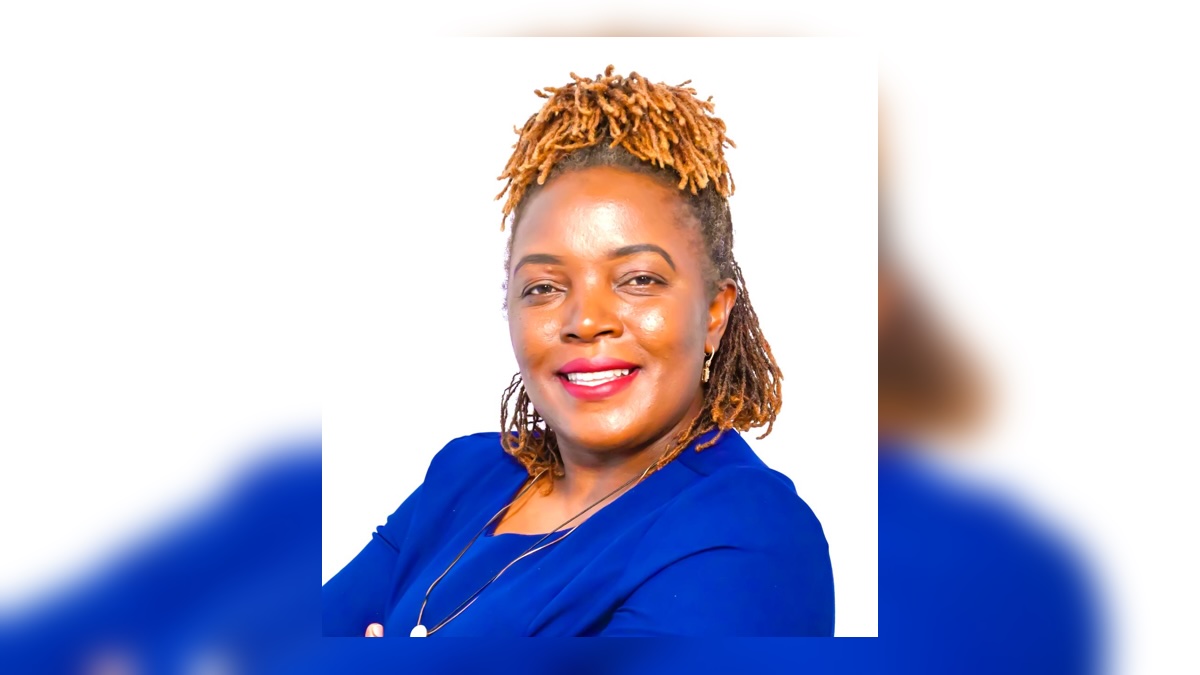

By Eunice Nyasiri Atsali
In many hospitals across the world, blood transfusions are meant to save lives. Yet for far too many patients and families in Kenya, accessing blood has become painfully slow, unfair, and deeply frustrating. Behind every delayed transfusion is a patient growing weaker, a family consumed by anxiety, and hospital bills rising day after day. What should be an urgent, lifesaving medical intervention too often becomes a prolonged administrative ordeal.
I recently learned this lesson firsthand.
A loved one needed blood during hospitalization. The medical decision was clear: the transfusion was needed without delays. But instead of receiving timely care, we found ourselves trapped in a maze of paperwork, approvals, donor-replacement demands, shortages, and endless hurdles as we navigated between departments. Hours turned into days. The patient remained admitted – weak, exhausted, and waiting – not because treatment was unavailable, but because the system could not deliver blood promptly and fairly. What disturbed me most was the apparent inequality in how blood is accessed and administered.
Some patients appeared to receive blood quickly through personal connections, influence, or the ability to escalate their cases to senior staff, while ordinary families were left waiting for long, uncertain periods.
One family told me how their brother remained in hospital for two days waiting for blood despite doctors clearly indicating it was urgently needed. The family was repeatedly assured that “the process was ongoing.” It was only after the patient’s sister directly called hospital management that blood was suddenly released within a short time. It left them with a painful and lingering question: if the blood could be released that quickly after a phone call, why did the patient have to endure two days of waiting in the first place?
Another mother narrated how her son urgently needed blood. The family did everything the hospital asked of them: they mobilized donors, complied with every requirement, and waited patiently for the transfusion to proceed. Yet despite their efforts, the blood was still not released on time. It was only after she forcefully raised the issue with hospital management that the approval was suddenly granted and the transfusion proceeded. Again the troubling question remains: what happens to the patient who has no influential contact, no confidence to challenge the system, and no senior official to petition?
We are living with a broken system – one that continues to fail ordinary Kenyans when they are most vulnerable.
Healthcare should never depend on who you know. Access to blood should not be determined by influence, persistence, or social standing. Every patient lying weak in a hospital bed deserves the same urgency, care, and dignity whether they have connections or not. Healthcare systems must be built to serve everyone fairly, especially the most vulnerable.
As a midwife and health professional, I know how critical timely blood transfusion can be. Women with postpartum hemorrhage, children battling severe anemia, accident victims, surgical patients, and critically ill individuals all depend on reliable and efficient blood systems. When blood is delayed, illnesses worsen, hospital stays grow longer, costs increase , and lives that could have been saved are sometimes lost.
Kenya must urgently strengthen transparency, efficiency and accountability in blood administration. Hospitals need clear emergency transfusion protocols, faster coordination between laboratories and wards, better communication with families, and systems that prioritize medical urgency over bureaucracy. No patient fighting for their life should face delays due to inefficiency or a lack of connections. Lifesaving care must be guided by need, not by who someone knows. The true measure of a healthcare system is not how it serves the powerful, but how it protects the ordinary person – those without influence, connections, or a voice.
Blood is a lifesaving resource, and its delivery must be timely, fair, humane, and equal for everyone – without exception.
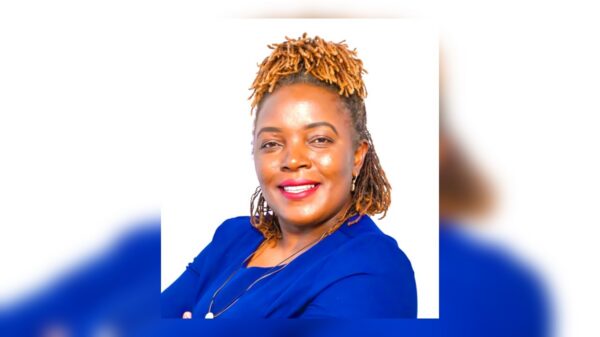
Eunice Atsali is the Vice president, Midwives Association of Kenya