


















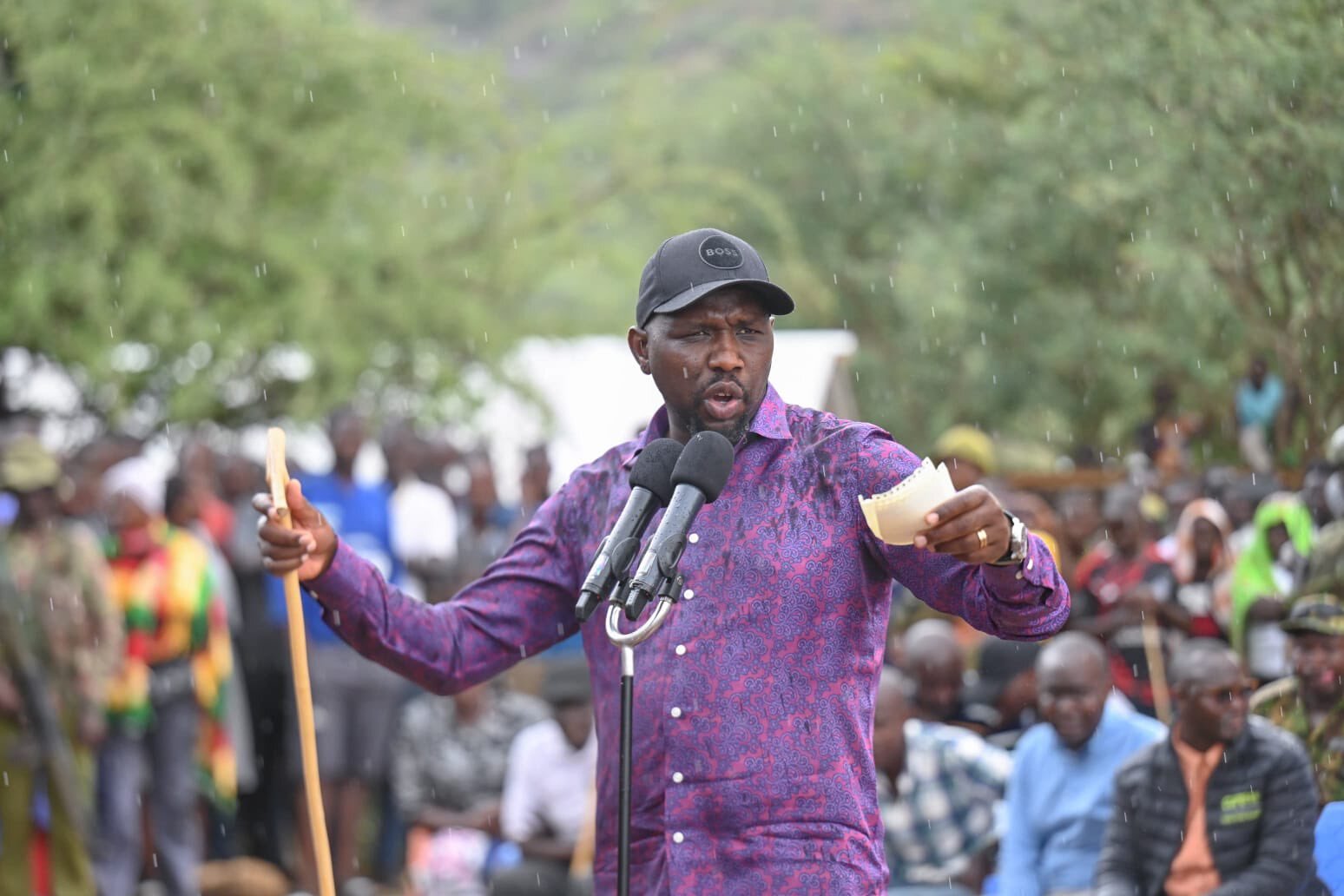

NAIROBI, Kenya, Jun 11 — Interior Cabinet Secretary Kipchumba Murkomen has welcomed the government’s decision to allocate Sh3.9 billion to introduce a monthly stipend for village elders, describing it as the fulfillment of a key promise made during national security consultations and a milestone in strengthening grassroots administration.
Speaking after the budget highlights were presented by Treasury, Murkomen said the initiative directly stems from commitments made during the Jukwaa La Usalama engagements, where communities raised concerns about the need to formally recognise and support local administrators who underpin security at the village level.
“During the Jukwaa La Usalama engagements, we pledged to provide our village elders with a stipend to facilitate their work which is crucial in strengthening grassroots security and administration. We have fulfilled this promise,” Murkomen said.
He confirmed that beginning 1 July, approximately 110,000 village elders across the country will start receiving the stipend, marking the first time the cadre has been formally financed through the national budget.
The programme, backed by Sh3.96 billion in the 2026/27 policy budget, is expected to further integrate village elders into Kenya’s security and governance architecture.
The elders currently play a critical but largely informal role, assisting chiefs and assistant chiefs, supporting community policing under the Nyumba Kumi initiative, mediating local disputes, and helping mobilise communities for development and security interventions.
Under the new framework, selection criteria for Village Administrative Elders include public endorsement, a minimum of five years’ continuous residency in the village, deep knowledge of local culture, and strict adherence to integrity requirements under Chapter Six of the Constitution.
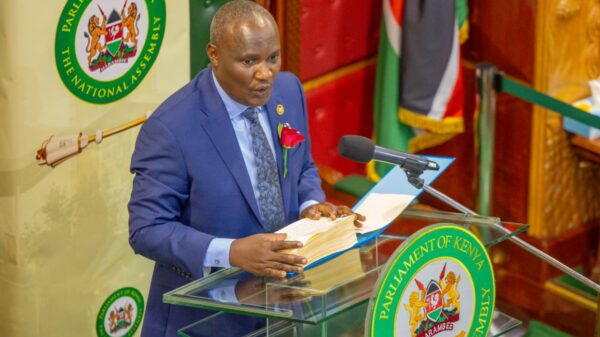
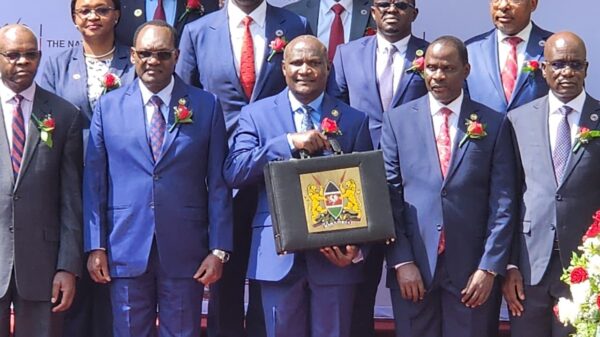
Treasury Cabinet Secretary John Mbadi, while reading the budget statement, defended the expanded security allocations, arguing that stability remains the foundation of economic growth and national development.
“A safe and stable environment is indispensable for investment, trade and economic growth,” Mbadi said, presenting a broad security allocation package that includes Sh252.1 billion for defence, Sh144.7 billion for the National Police Service, Sh64 billion for the National Intelligence Service, Sh63.9 billion for internal security and national administration, and Sh42.6 billion for prison services.
He further outlined targeted security investments, including Sh13 billion for leasing police vehicles, Sh7 billion for police modernisation programmes, and Sh1 billion for forensic infrastructure upgrades.
The inclusion of village elders in the formal budget, Mbadi noted, reflects a policy shift toward strengthening community-based governance as part of the national security system.
“I have also proposed 3.9 billion for stipend to village elders for the first time. Something that has been talked about for years to enhance local administrative capacities to appreciate,” Mbadi said.
Principal Secretary for Internal Security Raymond Omollo has previously told Parliament that the stipend programme has been under development for nearly a decade, following extensive consultations and policy formulation.
Omollo said the ministry developed a structured framework for identifying legitimate village elders after years of public participation and institutional review, noting that the idea has been under consideration since 2016.
“The conversation about village elders began in 2016 and the House actually gave directions to the ministry. It has taken almost 10 years to get us here,” he said.