












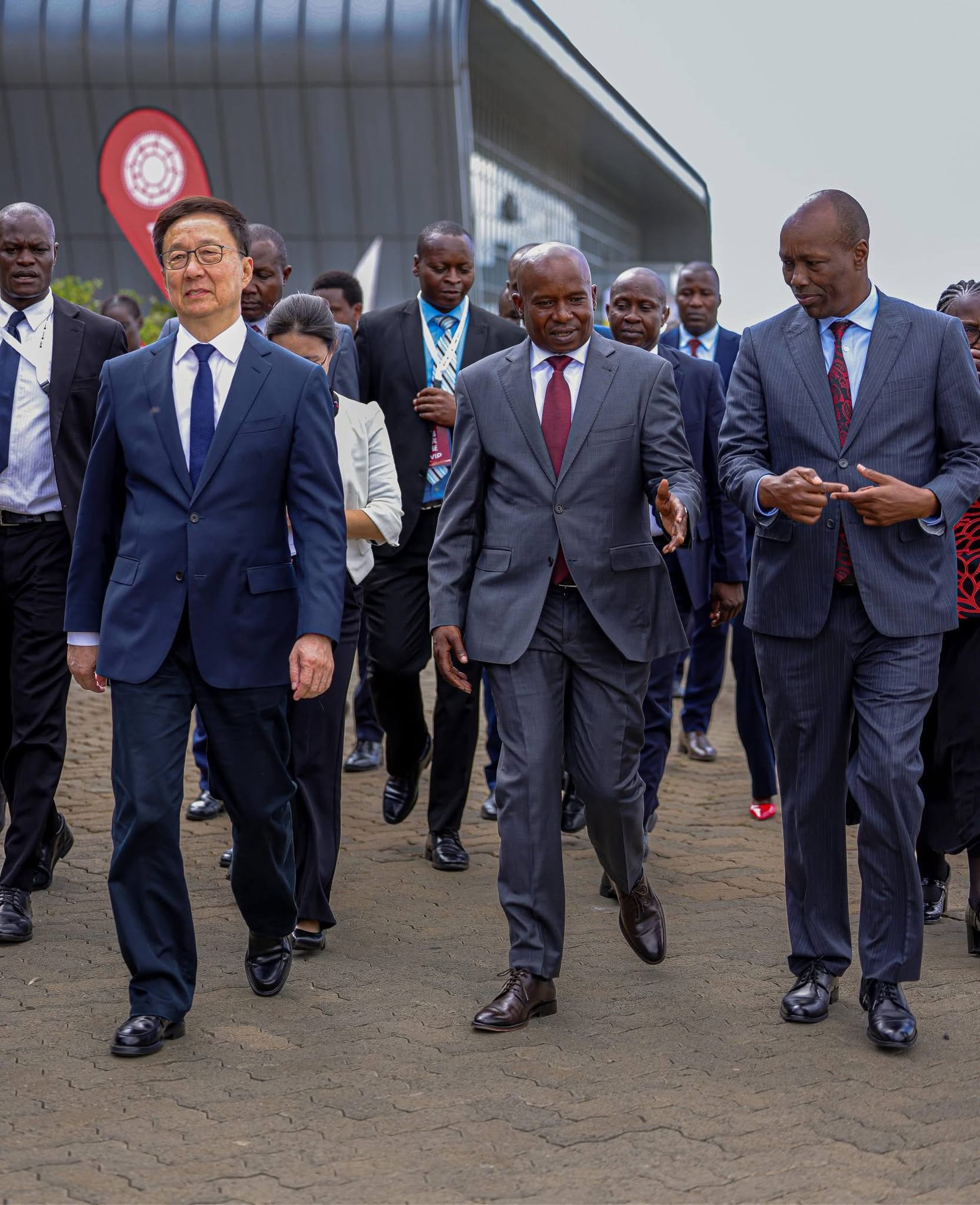

NAIROBI,Kenya Mar 23-Kenya is stepping up efforts to deepen trade ties with China as part of a broader strategy to narrow a trade imbalance that has surpassed Sh500 billion, Deputy President Kithure Kindiki has said.
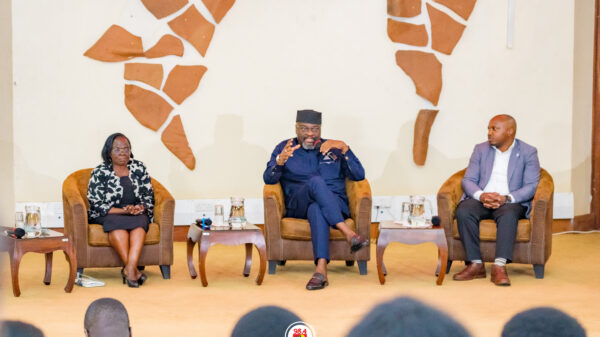
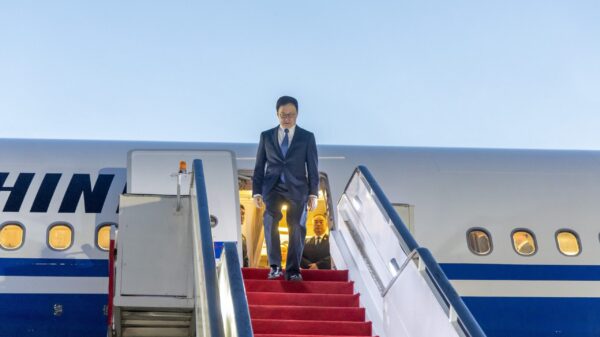
Speaking at the High-Level Kenya–China Business Forum in Nairobi, which he co-hosted with Chinese Vice President Han Zheng, Prof. Kindiki noted that although diplomatic and economic relations between the two countries have steadily strengthened since Kenya attained independence in 1963, trade has remained heavily tilted in China’s favour.
He emphasized the need for Kenya to aggressively explore new commercial opportunities, particularly by expanding exports and diversifying into higher-value goods, to achieve a more equitable trading relationship.
“Our shared goal is to grow Kenya’s exports into the Chinese market, especially value-added agricultural products, while strengthening manufacturing partnerships and moving progressively towards balanced trade between our two economies,” he said.

The Deputy President highlighted recent gains in agricultural productivity, pointing to improved output in key subsectors such as coffee, tea, avocados, and macadamia. He urged stakeholders to build on these gains to scale up exports to China, describing Kenyan produce as globally competitive.
“Kenya produces some of the finest coffee and tea in the world. We are also Africa’s leading producer of avocados and the second-largest producer of macadamia. We encourage our Chinese partners to increase imports of these products, alongside fish and other agricultural commodities,” he added.
Trade figures underscore the urgency of the push: Kenya’s exports to China currently stand at approximately USD 210 million, compared to imports worth about USD 4.32 billion leaving a deficit of nearly USD 4 billion.
To address this gap, William Ruto and Xi Jinping signed a Framework Agreement on Economic Partnership for Shared Development in April 2025. The deal is expected to grant Kenyan goods zero-tariff access to the vast Chinese market beginning May 1, 2026.
Prof. Kindiki challenged Kenyan businesses to take full advantage of the arrangement, noting that it opens access to a consumer base of more than 1.4 billion people.
“This zero-tariff framework presents a unique opportunity for our exporters. We must utilise it fully to expand Kenya’s footprint in the Chinese market,” he said.

Following the forum, the Deputy President and Vice President Han presided over the flagging off of the first shipment of Kenyan exports under the new preferential trade terms at the Nairobi Railway Terminus. The consignment comprising 54 containers carried a mix of goods including avocados, avocado oil, coffee beans, hides and skins, dry grains, pet feed, and recyclable materials.
Prof. Kindiki described the shipment as a milestone in Kenya–China economic relations, symbolising growing cooperation and new prospects for local exporters.
“We expect to see a steady increase in Kenyan products reaching Chinese consumers as we deepen collaboration in trade, investment, and sustainable development,” he said.
He also acknowledged China’s role in advancing Kenya’s infrastructure, particularly in the transport sector. He cited developments under the Belt and Road Initiative, including the construction of the Standard Gauge Railway, which has significantly improved the movement of goods between production zones, the Port of Mombasa, and international markets.

The government is now planning to extend the railway further Kisumu and Malaba, a move expected to enhance regional trade connectivity and logistics efficiency.