























NAIROBI, Kenya, Feb 10 — The Law Society of Kenya (LSK) has clarified its role in addressing sexual harassment complaints within the legal profession amid growing public concern over alleged misconduct by senior lawyers.
But why exactly can’t the Council step in directly?
1. Independent disciplinary structures
The LSK Council stresses that it cannot interfere with the Advocates Disciplinary Tribunal (DT), the body responsible for handling complaints against lawyers. The tribunal operates independently under the law to ensure fairness and impartiality in its decisions.
“The Council does not instruct or give directives to the DT on its processes, decisions, or operations,” LSK President Faith Odhiambo said.
This separation protects the integrity of disciplinary procedures and prevents political or organizational pressure from influencing outcomes.
2. Legal framework limits Council Authority
The tribunal’s independence is built into Kenya’s legal framework. Members of the DT are elected alongside the LSK Council, except for the Chairperson, who is appointed by the Attorney General. This structure ensures the tribunal can operate without undue influence.
In a recent case involving alleged harassment affecting twenty-two colleagues, the DT ruled that it lacked jurisdiction because sexual harassment is a criminal offence that must be prosecuted through the proper criminal justice channels. Only one complainant formally joined the case, highlighting the challenges in pursuing internal disciplinary action.
3. Gaps in professional discipline laws
The LSK acknowledges that current laws leave gaps when it comes to handling sexual harassment internally.
While the Society has adopted the Sexual Harassment and Anti-Bullying Policy (SHABP), these guidelines are internal and do not carry the full weight of statutory law.
“The decision exposes a gap in the legal framework governing professional discipline in such cases,” the Council said.
It has called for law reform to embed the SHABP into statute, clarifying what constitutes “disgraceful or dishonourable conduct” under the Advocates Act.
4. Why reporting matters
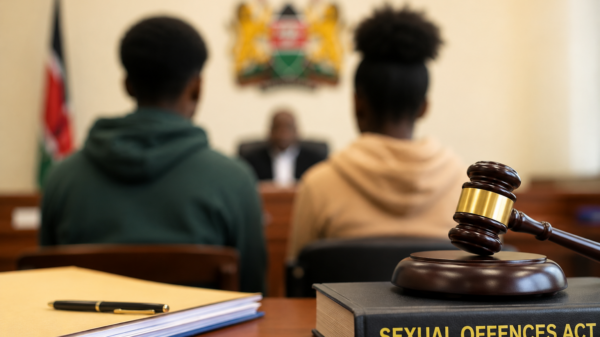
LSK emphasizes that sexual harassment is not just a workplace issue—it is a criminal offence under the Sexual Offences Act.
It urged victims to report incidents both internally, through the Advocates Complaints Commission and Disciplinary Tribunal, and externally, to the police, to ensure legal accountability.
5. Supporting victims
LSK has pledged support for victims in partnership with the Advocates Benevolent Association (ABA), FIDA-Kenya, and the Witness Protection Agency (WPA).
The Society plans to provide free counselling, investigate claims, and protect vulnerable individuals.
Odhiambo also called for urgent collective efforts against the vice.
“The emerging concerns have been endured for too long. Let us take this moment to aggressively and collectively fight this menace and create a safe and fair practice environment for all professionals.”