























The National Building Code 2024 sets detailed rules on how buildings should be constructed to protect safety, privacy, ventilation and orderly urban development.
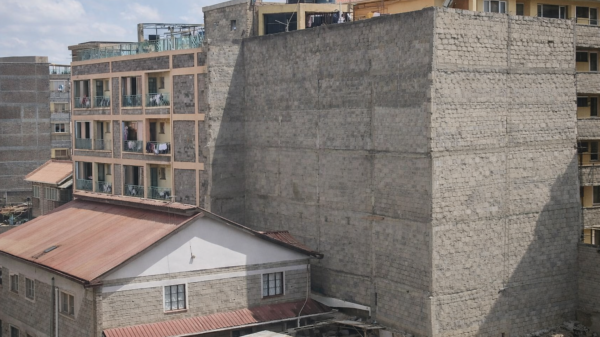
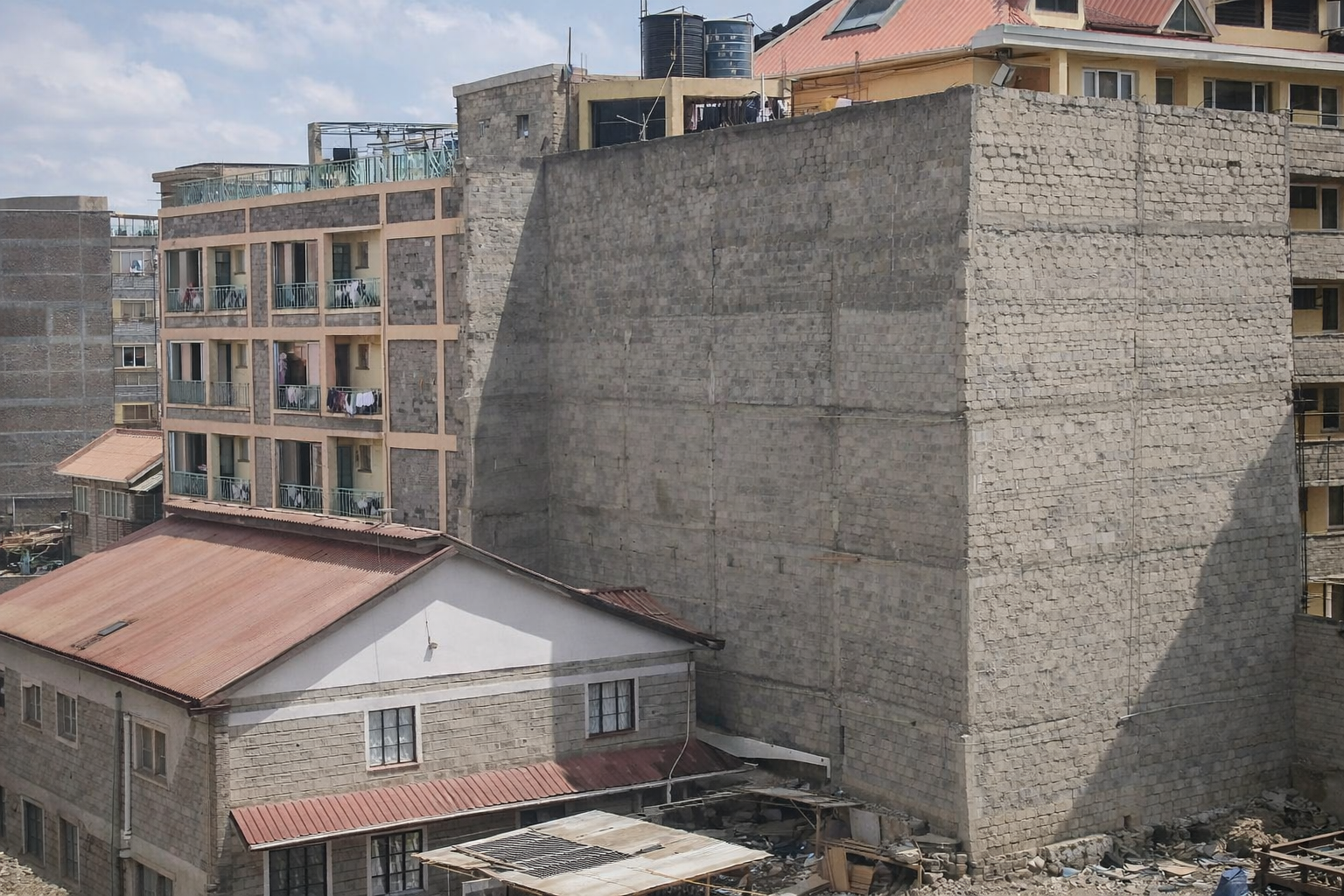
The regulations are particularly strict when it comes to boundary walls, windows facing neighbouring properties, and building setbacks, areas that frequently cause disputes between property owners in dense urban neighbourhoods.
Boundary walls cannot exceed 2.4 metres
The code caps the height of residential boundary walls at 2.4 metres.
This limit exists to prevent property owners from building excessively tall perimeter barriers that block natural light, restrict ventilation and create potentially unsafe free-standing structures.
The regulation also aims to discourage the growth of isolated “fortress-style” developments that disrupt neighbourhood planning and urban design.
Even where a wall is initially built lower, the code only allows it to be increased up to a maximum height of 2.4 metres.
Windows cannot directly overlook neighbouring plots
Another key provision in the building code regulates windows and openings facing neighbouring properties.
The law requires developers to maintain sufficient space between buildings to ensure privacy, proper lighting and ventilation. Where windows are installed facing another property, the building must observe minimum setback distances.
These requirements exist because windows placed directly along a property boundary can expose neighbouring homes to constant overlooking, noise and falling debris.
In many cases, regulators may require developers to block windows or alter balconies if they are found to violate these rules.
Minimum setbacks for buildings
Setbacks refer to the minimum distance a building must maintain from property boundaries or neighbouring structures.
These distances vary depending on the type of room and the zoning classification of the area. Habitable rooms such as bedrooms and living rooms must maintain larger clearances because they require natural lighting, ventilation and privacy.
Balconies and external openings may also require additional spacing to prevent direct overlooking of adjacent properties.
Setbacks also help ensure adequate emergency access, reduce fire risk between buildings and allow air circulation in dense urban environments.
Why these rules matter
Urban planners say the building code provisions serve several important functions:
- protecting privacy between neighbouring homes
- ensuring adequate ventilation and natural light
- preventing overcrowding of buildings in urban areas
- reducing safety risks from poorly designed structures
- maintaining orderly and predictable urban development
Ignoring these rules can create conflicts between neighbours and may expose developers to enforcement action.
What happens when buildings violate the code
Where a property violates building regulations, county governments and regulators can take enforcement measures under the Physical and Land Use Planning Act and the building code.
Authorities may order developers to:
- block windows overlooking neighbouring properties
- alter balconies or openings
- demolish illegal sections of buildings
- pay compensation to affected neighbours
In serious cases, regulators can halt construction or revoke development approvals.
What homeowners should do if affected
Property owners who believe a neighbouring development violates planning rules can file a complaint with the county planning department or regulatory agencies such as the National Construction Authority.
Authorities can then inspect approved plans, assess compliance with the building code and take enforcement action if violations are confirmed.
Urban planning experts say such mechanisms are designed to resolve disputes through regulation and compliance rather than through defensive construction such as excessively tall boundary walls.