



















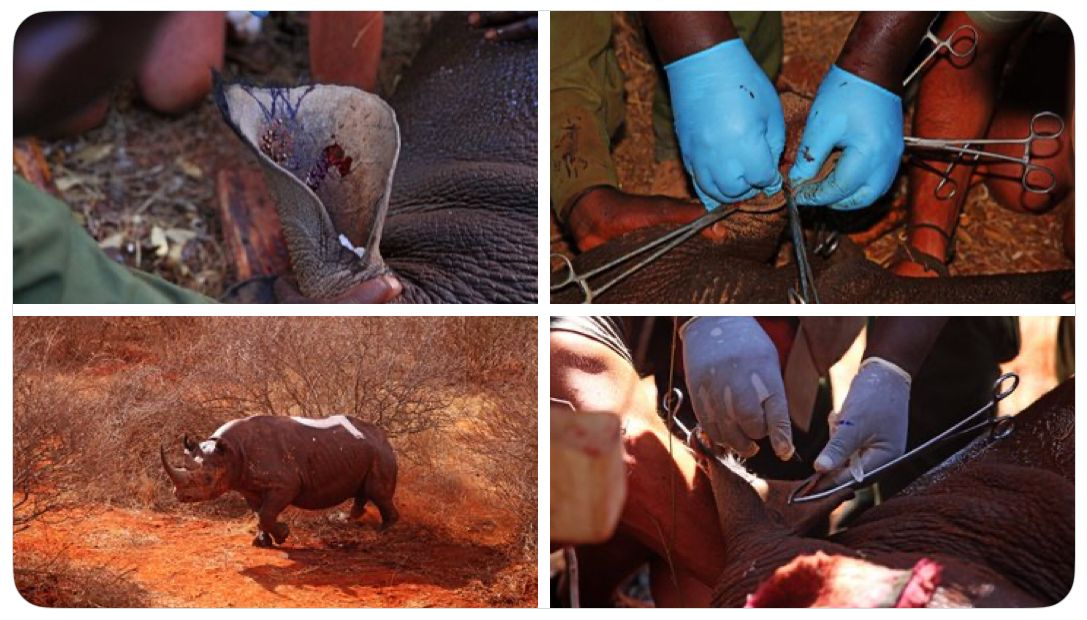

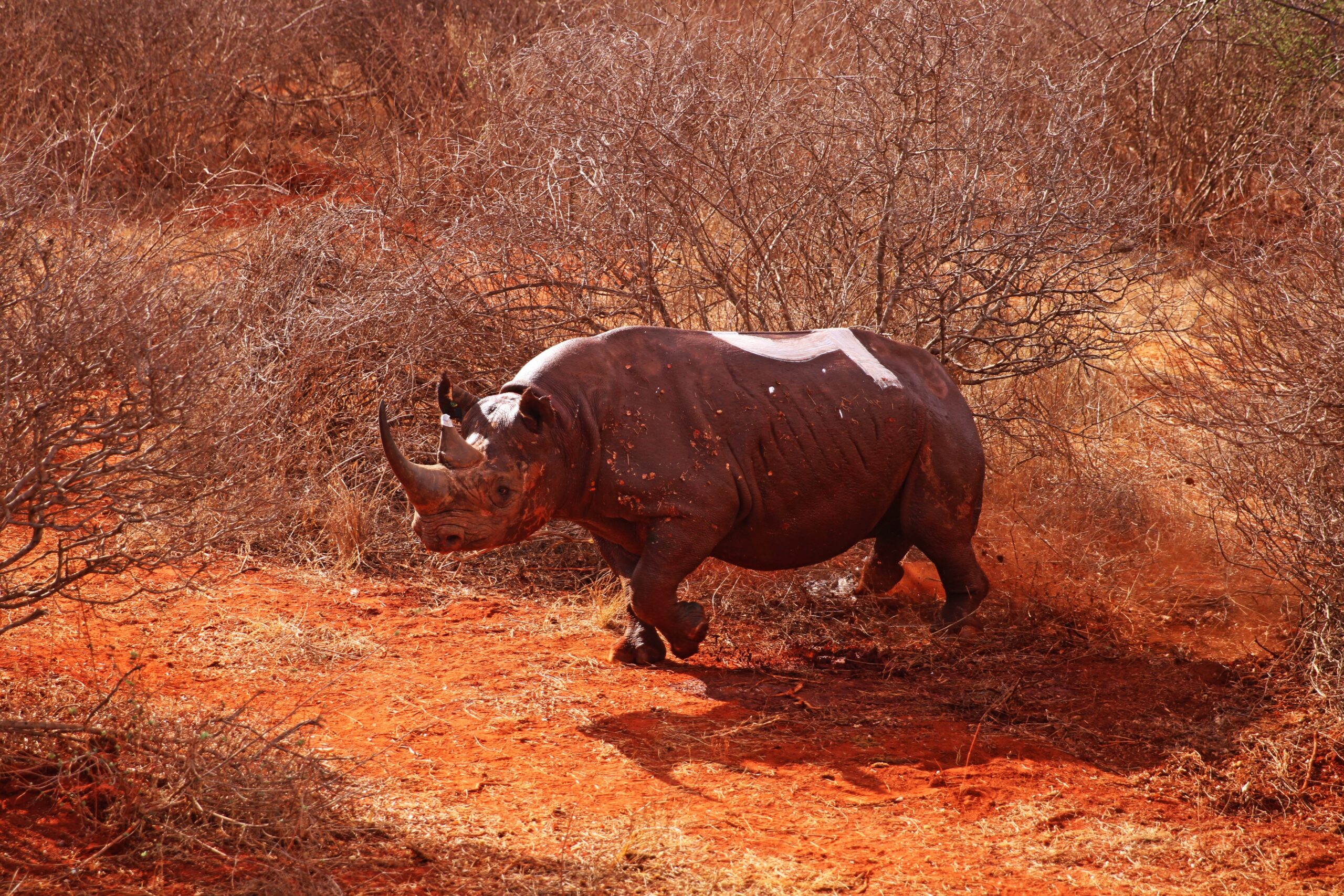
NAIROBI, Kenya Dec 12 – Every rhino in Kenya carries a unique story — one that is told not through tags or collars, but through small, deliberate markings on its ears. These are called ear notches, and they play one of the most crucial roles in protecting one of the world’s most endangered species.
According to the Kenya Wildlife Service (KWS), ear-notching is a safe and internationally recognised conservation method that gives each rhino a permanent, natural form of identification. Each notch follows a specific coding system, ensuring that no two rhinos share the same pattern.
Why Ear-Notching Is Done
KWS explains that ear-notching helps conservation teams identify individual rhinos quickly and accurately in the field — even from a distance. This simple but powerful tool enables teams to:
- Monitor rhino movements and behaviour
Rangers can tell which rhinos frequent certain areas, how they interact, and when their patterns change. - Track population trends and genetics
Conservationists can follow births, deaths, lineage, and genetic diversity — all vital for long-term species recovery. - Detect injuries, illnesses, or unusual behaviour early
Quick identification means faster interventions when a rhino is hurt, sick, or at risk. - Strengthen anti-poaching operations
Knowing exactly which rhino is where helps security teams prevent losses and respond rapidly to threats.
Why Not Ear Tags or Electronic Collars?
KWS notes that other identification methods may fall off, malfunction, or cause stress to the animal. Ear notches, however:
- are permanent
- are visible from long distances
- work in dense vegetation, open savanna, and rugged terrain
- eliminate the need for repeated handling of the rhino
This makes ear-notching one of the most effective, non-intrusive tools in modern rhino conservation.
A Mark of Protection, Not Harm
The procedure is done by trained wildlife veterinarians under strict ethical standards. While the rhino is temporarily immobilised, the notch is created quickly and safely. Once healed, it causes no discomfort — but provides a lifetime of protection.
Safeguarding Kenya’s Heritage
As rhinos continue to face threats from poaching, habitat loss, and climate pressures, ear-notching helps KWS maintain strong, reliable surveillance of the national population.
It is a small mark with a huge impact — one that helps secure the future of an iconic species.