












NAKURU, Kenya, Nov 8 — Kenya’s livestock sector is positioning itself for stronger economic growth through better coordination, increased investment, and stronger market linkages along the pastoral livestock value chain.
The market-driven transformation aims to boost private sector participation and enhance the country’s competitiveness in regional and international markets, amid rising global demand for meat products.
Kenya’s meat exports grew from Sh11.5 billion in 2022 to Sh19 billion in 2023, before a slight dip to Sh18.7 billion in 2024 — an average growth of 39 percent over three years. The Gulf region remains Kenya’s biggest market, led by the UAE, Saudi Arabia, Oman, Qatar, and Kuwait, while emerging destinations include China, Malaysia, Indonesia, Libya, Senegal, Comoros, and Nigeria.
The livestock industry contributes about 12 percent to Kenya’s GDP and 40 percent of the agricultural economy, supporting food security, rural livelihoods, and export earnings. However, challenges such as weak coordination, inconsistent quality standards, limited inputs, and market inefficiencies continue to constrain its potential.
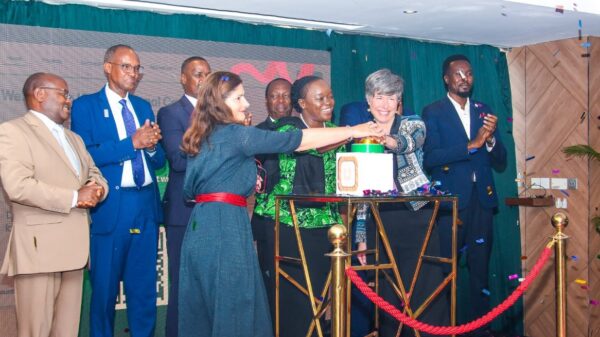
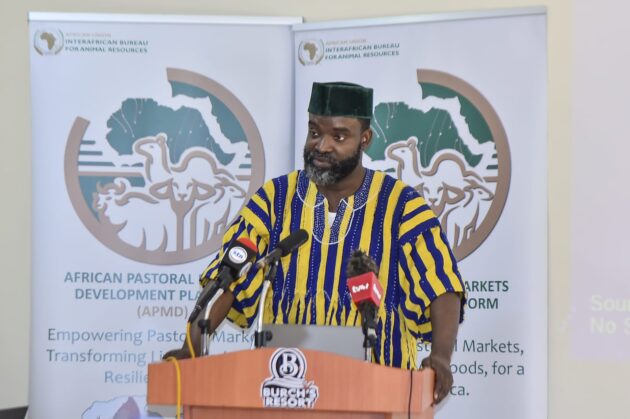
To address these gaps, the African Union–Inter-African Bureau for Animal Resources (AU-IBAR), through the African Pastoral Markets Development (APMD) Platform, is hosting a two-day private sector roundtable and B2B deal room in Naivasha, Nakuru County.
Launched in January 2025 with support from the Bill & Melinda Gates Foundation, the four-year APMD programme aims to promote market-driven growth and sustainable development across Africa’s pastoral livestock sector.
Themed “Strengthening Kenya’s Meat Value Chain,” the Naivasha meeting brings together feedlot operators, meat processors, financiers, and policymakers to explore investment opportunities, tackle regulatory bottlenecks, and align production with market demand.
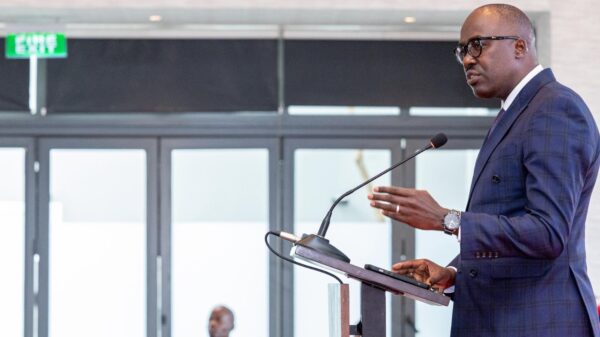
APMD Platform Coordinator John Oppong said the livestock value chain is powering enterprises, sustaining millions of livelihoods, and shaping Africa’s economic future.
“If we can get it right, we can use that as an engine of growth and development across our rural communities in Africa,” he said. “APMD exists to create a more connected, transparent, and market-oriented livestock economy — one that links production with processing, finance with opportunity, and policy with enterprise.”
Oppong emphasized that better coordination and partnerships would help leverage economies of scale, reduce costs, and raise Africa’s profile in the global meat trade.
Richard Kyuma, CEO of the National Livestock Development and Promotional Services, said Kenya’s 22 million cattle and 58 million sheep and goats hold immense but underutilized potential.
“If effectively converted into productive economic activities, the sector could easily become the country’s leading source of income and a major driver of growth,” he said.
Said Ali, an AU-IBAR consultant, noted that Kenya’s expanding urban population and growing regional markets position it to become a leading meat exporter in Africa. But he cautioned that climate change remains a major threat to pastoralist communities, who produce over 70 percent of Kenya’s meat.
“Only seven of Kenya’s 1,000 slaughterhouses currently meet international export standards,” he said. “Formalizing the sector is key to unlocking value and expanding access to global markets.”
Aden Nur Dahir, Chairperson of the Kenya Meat and Livestock Exporters Council (KEMLEC), urged stakeholders to embrace commercial livestock farming, feedlot systems, and value addition to stay competitive.
“We must move into value addition by exporting cut products — that’s how we create jobs and add value to our exports,” he said. He warned that without livestock traceability systems, Kenya risks losing access to key international markets.
Maria Mbeneka, Director of Ranch Experts Ltd, said the forum was timely in bridging the gap between producers, processors, and financiers.
“If we understand each other’s needs — especially from the financing side — we can tailor funding to fit the cycles of farmers and processors. That’s how we achieve meaningful engagement,” she said.
Sector players agreed that stronger coordination, private sector leadership, and market-oriented reforms could transform Kenya’s livestock industry into a global powerhouse. The Naivasha forum is expected to yield new business linkages, policy recommendations, and a market insight report to guide future investment and policy decisions.