










TOKYO, Japan, Aug 22 – President William Ruto has called on Africa to reform and revitalise agriculture so as to stop exporting raw materials for processing in other countries.
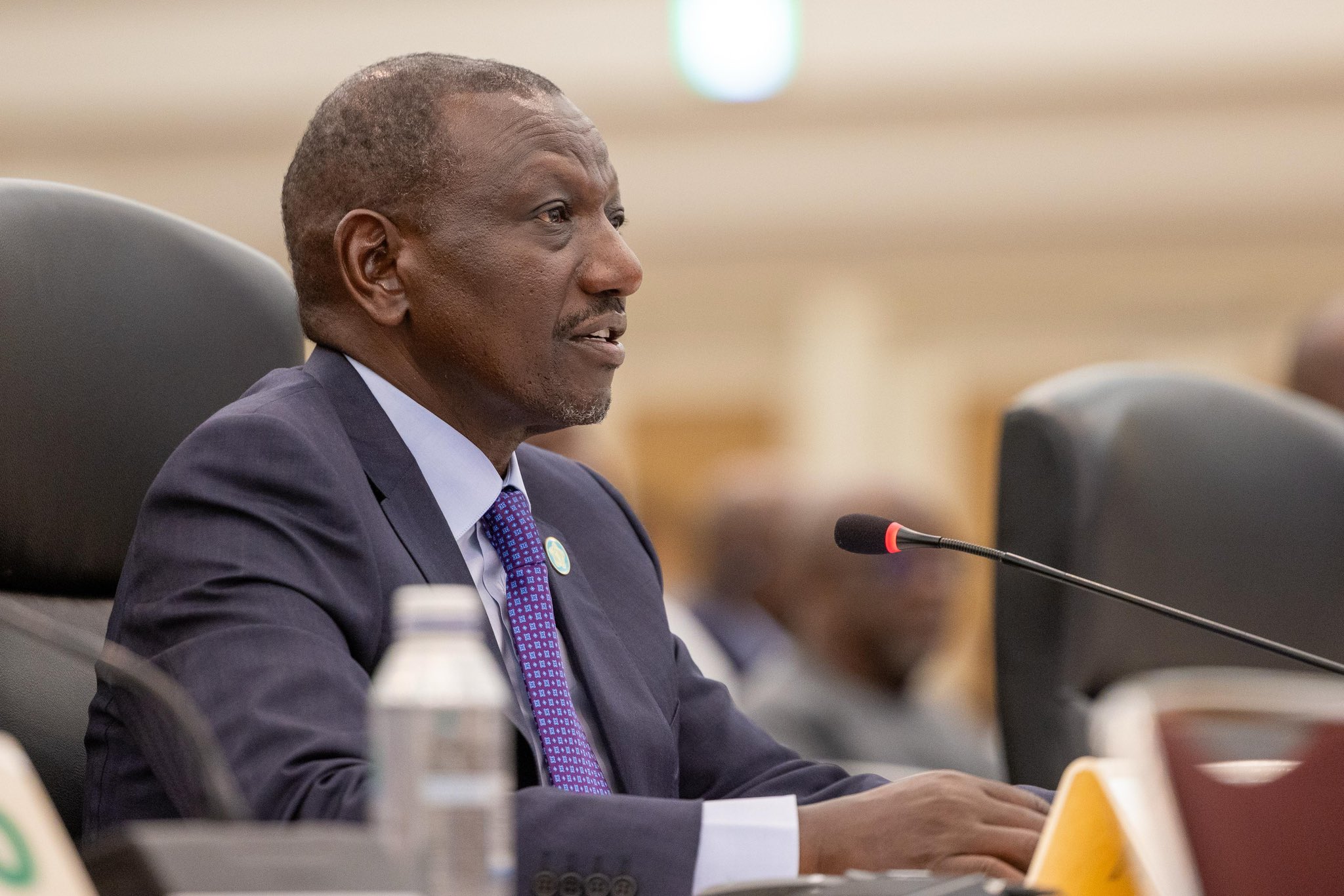
Speaking at the last day of the 9th Tokyo International Conference on African Development (TICAD) in Yokohama, Japan, on Friday, the President said Africa’s urgent challenge is to accelerate the pace of inclusive wealth creation to eliminate poverty, create jobs, and restore dignity.
He pointed out that this practice must change to correct the imbalance in global trade, a situation that has locked out Africa out of opportunity and stifled the aspirations for industrialisation.
“Partners like Japan can help remedy this skewed trade by investing in local manufacturing and industrialisation, supporting local agricultural value chains, and financing renewable energy generation to power industry,” he said.
The President pointed out that Africa has abundant resources, including minerals, renewable energy, and a young, tech-savvy and hardworking workforce.
“By adding value to what we produce, whether it is coffee, tea, minerals, textiles or services, we build industries, create local wealth and, therefore, empower our people,” he said.
He went on: “This is how Africa stops being the world’s supplier of unprocessed raw materials and extractives, and becomes a global hub for high-value production, innovation, and prosperity.”
President Ruto noted that over the years, TICAD has remained faithful to its founding principles of African ownership, inclusivity, openness, and genuine partnership.
“We commend the Government of Japan and the co-organisers for sustaining this unique framework,” he said.
He said Kenya deeply values Japan’s consistent support in critical sectors: Education, health, agriculture, energy, infrastructure, and security, saying such partnerships have been central to Africa’s socio-economic progress.
The President told the meeting that resilient, adaptive, and inclusive societies form the foundation of Africa’s transformation.
“The Society Pillar challenges us to invest deliberately in people, including their health, education, and their well-being. Only then can Africa unlock its vast potential through holistic human capital development,” he explained.
He said Africa is richly endowed with natural resources and a youthful population of nearly 400 million, bursting with energy, creativity and innovation. Yet, systemic social challenges persist.
“To close this gap, we must champion programmes aligned with global, regional, and national priorities, and tailored to build inclusive and resilient societies that leave no one behind,” he pointed out.
In Kenya, President Ruto said the government is implementing the Bottom-Up Economic Transformation Agenda, anchored on building a fair and inclusive society in which every citizen has a stake.
“By expanding opportunities, enhancing access to services, and empowering communities at the grassroots, we are bridging divides and ensuring prosperity is shared equity, ” President Ruto explained.
Earlier, President Ruto also met with International Finance Corporation (IFC) Managing Director Mokhtar Diop and said Kenya had excellent ties with the World Bank Group, of which IFC is the private sector arm.
He explained that Kenya has made a decision to divest from said the experience with the privatisation of the Kenya Commercial Bank and Safaricom have proven that there is value in going in this direction.
The Head of State also met officials of various Japanese companies, including Sumitomo Corporation, Marubeni Corporation and Fujita Corporation.
“We are creating a good environment for business to invest, grow and flourish in Kenya through a progressive and facilitative legal, tax and incentives’ regime,” he said.
He said Kenya has become an attractive destination for many international and regional companies.
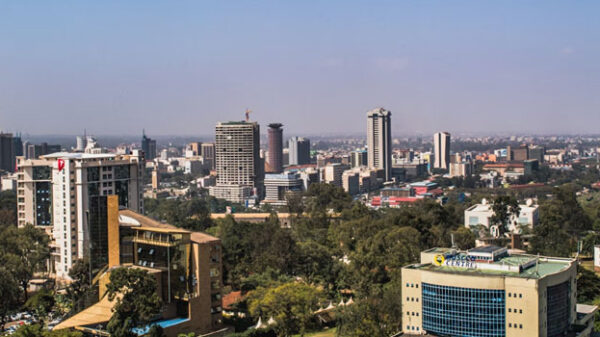
“For example, more than 120 Japanese companies operate in Nairobi, engaging in an array of businesses ranging from construction to manufacturing,” he said.
He called for the elimination of tariffs and non-tariff barriers that make it difficult for Kenya and Africa’s agricultural products to access the Japanese market.
“They committed to expanding their businesses in our country and to be our partners in facilitating balanced trade between Kenya and Japan,” said President Ruto.