













NAIROBI, Kenya, Feb 25 – The government has assured Inua Jamii beneficiaries without mobile phones that they will still be able to access their stipends using a SIM card and their national identity card at mobile money agents.
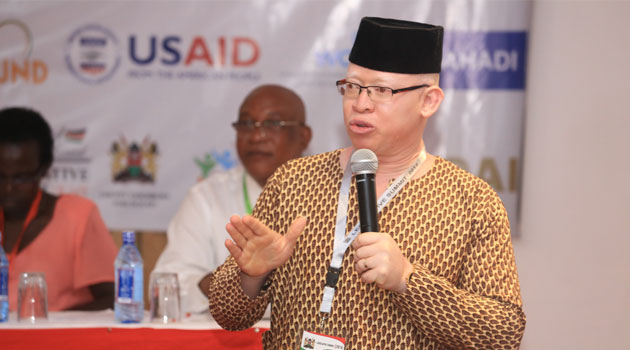
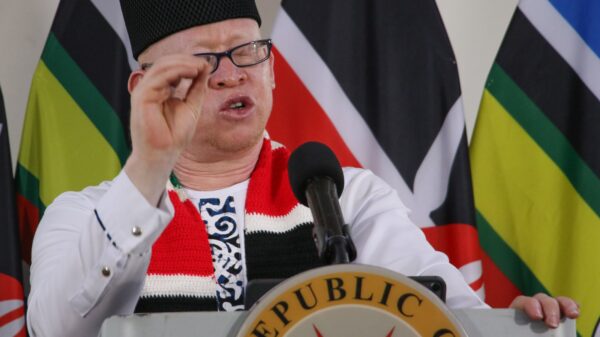
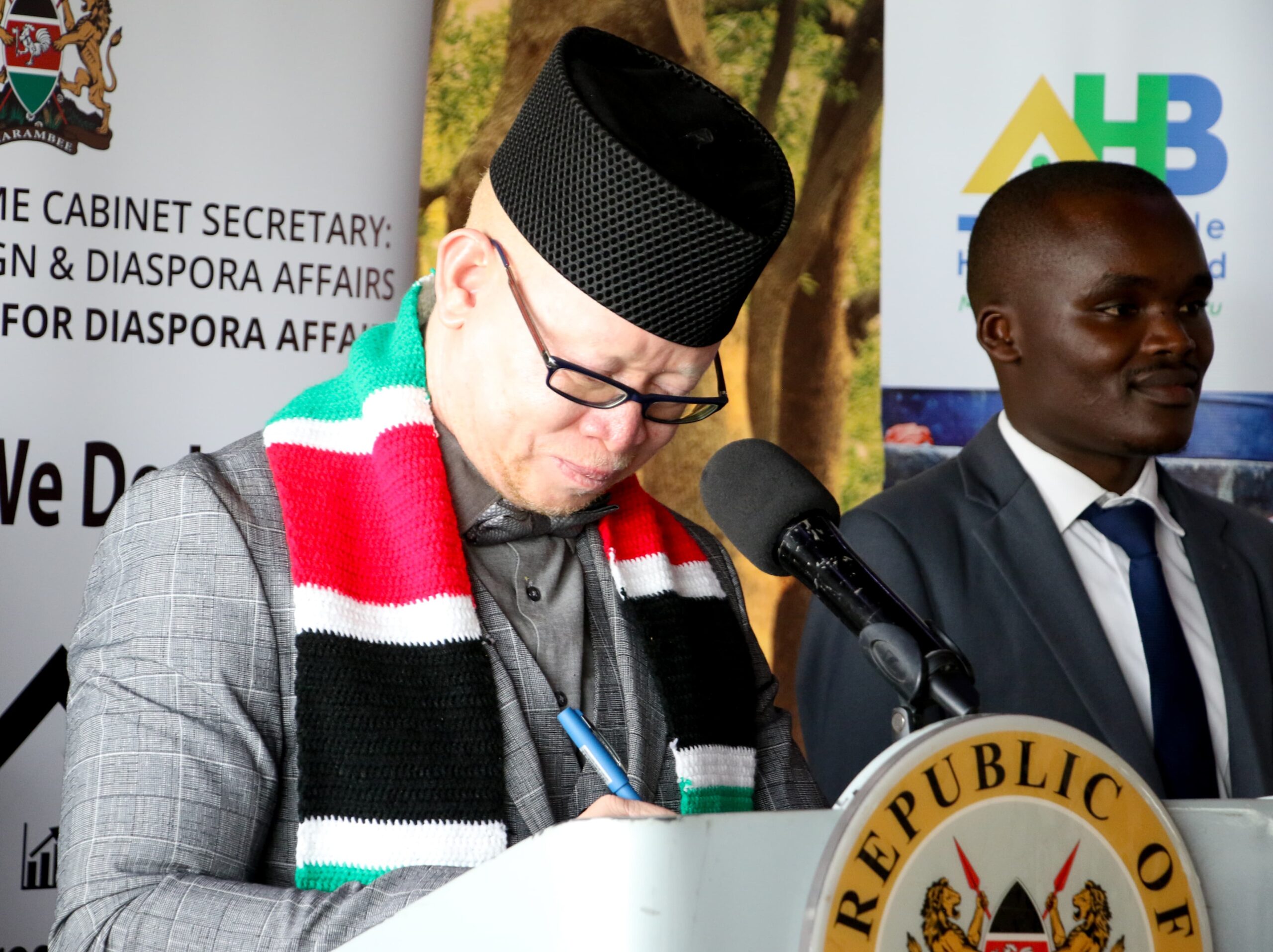
In a statement issued on Tuesday, Government Spokesperson Isaac Mwaura emphasized that the shift to mobile money for disbursements—directed by President William Ruto—aims to curb fraud and ensure faster, more efficient access to funds.
Addressing concerns that some beneficiaries lack mobile phones, Mwaura reassured them that alternative measures have been put in place.
“We are aware that some beneficiaries do not own handsets. However, all they need is a SIM card and their national ID when visiting a mobile money agent, and they will be assisted,” he stated.
He further explained that Safaricom had stepped in to facilitate SIM card acquisition for this demographic, ensuring that no eligible beneficiary is excluded from the program.
Addressing fraud and delays
The transition to mobile money payments follows reports of irregularities in the previous bank-based disbursement system.
The government has since taken steps to ensure all 1.7 million beneficiaries—including elderly citizens above 70 years, persons with severe disabilities, and Orphans and Vulnerable Children (OVCs)—can access their stipends without unnecessary delays.
“This decision was well thought out, given the fraud cases that marred the disbursement of funds through banks. With mobile money, we are eliminating these risks and making the process more efficient,” Mwaura said.
According to the statement, at least 1.4 million beneficiaries have already accessed their January stipends via mobile transfer since the rollout of the new system on February 11.
Additional options
To further enhance accessibility, the government has introduced an option for beneficiaries to use the e-Citizen platform by dialing 2223#, with prompts available in both English and Kiswahili.
Mwaura also highlighted that mobile money has significantly reduced travel burdens for beneficiaries, many of whom previously spent a large portion of their stipends on transport to distant bank branches.
“Now, they can access their funds from the comfort of their homes or nearby agents, saving both time and money,” he added.
The government has committed to increasing the disbursement fund, currently at Sh3.52 billion, to Sh15 billion over the next three years.
Mobile money penetration currently stands at 34 million subscribers, with over 381,116 mobile money agents spread across the country.
The number of Inua Jamii beneficiaries is projected to grow to 2.5 million by 2027, as the government remains committed to ensuring seamless and timely payments that reach all intended recipients.