




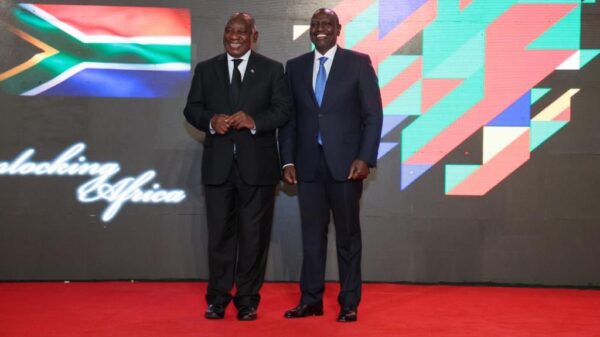
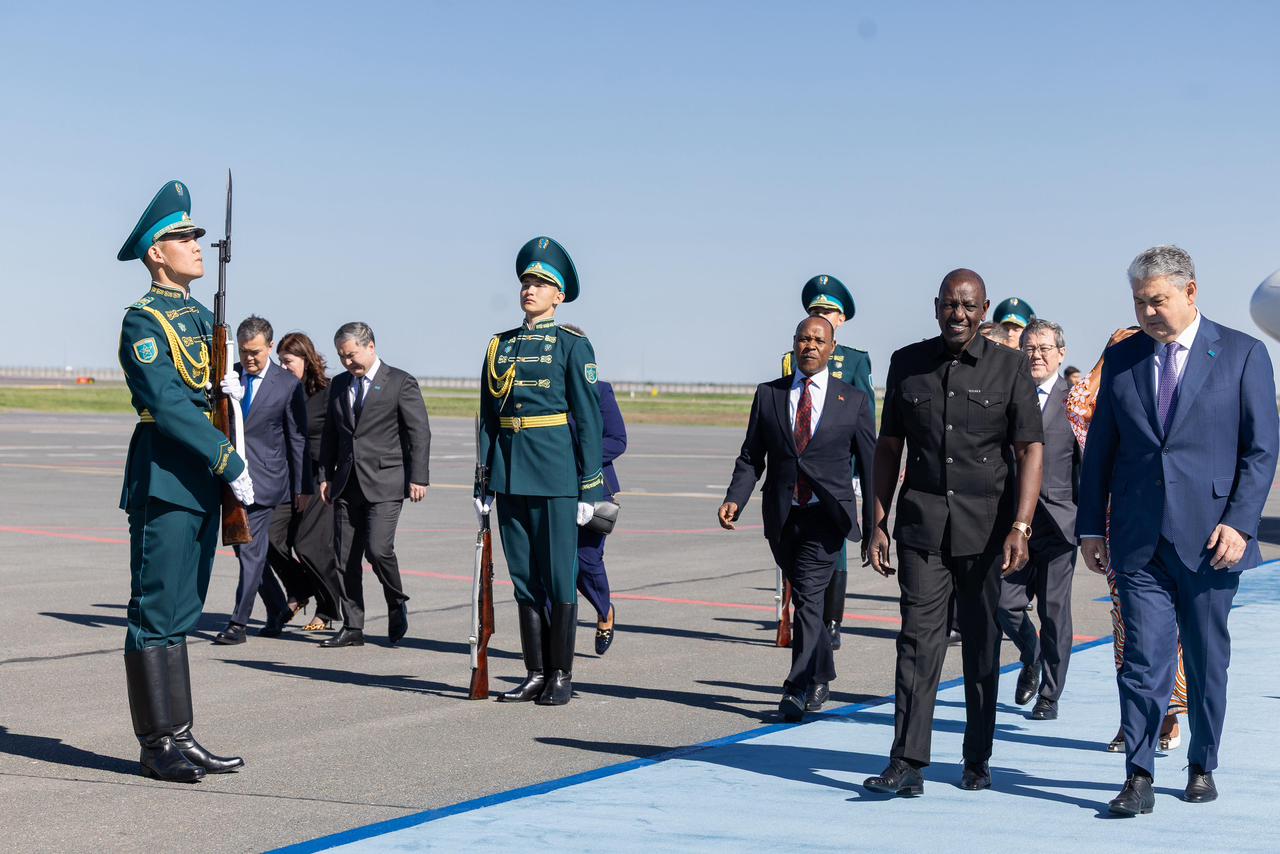

NAIROBI,Kenya May 19 -President William Ruto on Tuesday arrived in Astana, Kazakhstan, for a two-day State Visit focused on strengthening diplomatic and economic relations between Kenya and the Central Asian country.
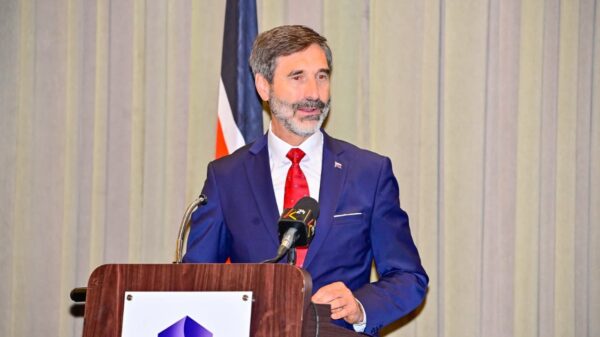
President Ruto was received by Kazakhstan’s Minister of Foreign Affairs, Yermek Kosherbayev, as Kenya moves to broaden cooperation in key sectors including trade, investment, logistics and technology.
The Kazakhstan trip is part of the President’s broader international tour that began on May 16 with a visit to Azerbaijan before proceeding to Central Asia.
In a statement issued upon his arrival in Astana, President Ruto said Kenya and Kazakhstan had cultivated strong bilateral ties over the years and were now seeking to expand cooperation into new areas aimed at driving economic growth and job creation.
“Kenya and Kazakhstan have been planting seeds of friendship for over a decade through a series of deliberate engagements. It is time to take these cordial relations to the next level,” he said.

The President noted that commercial ties between the two nations were already growing, particularly in tea, flowers, fertiliser and logistics.
“Our trade ties are already blossoming in tea, flowers, fertiliser and logistics, supported by a growing direct connection between Nairobi and Astana, as well as other countries in Central Asia,” Ruto said.
He added that Kenya was looking to unlock opportunities in finance, information and communication technology (ICT), tourism, energy and exchange programmes to deepen economic collaboration.
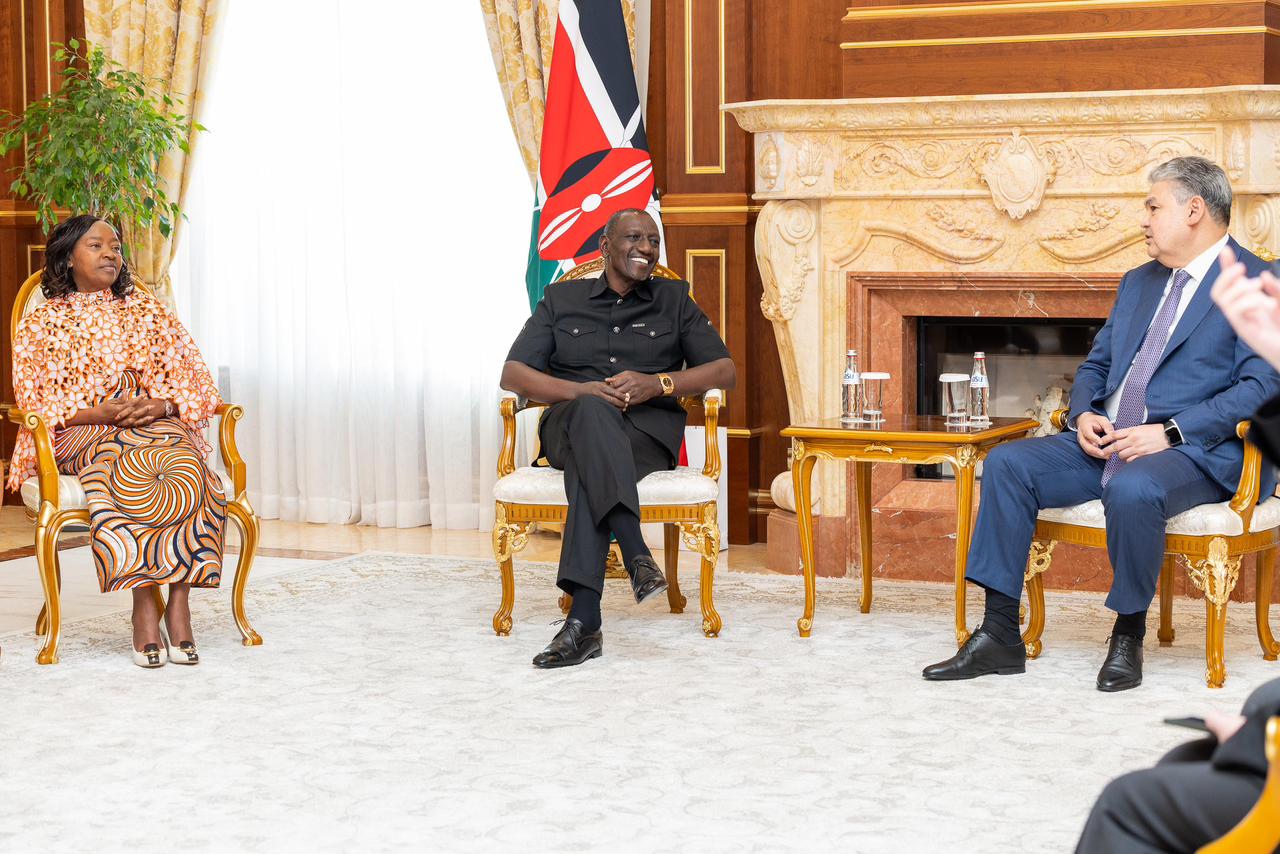
“We are committed to building on this foundation by exploring new opportunities in finance, ICT, tourism, energy and exchange programmes, with the overriding goal of fostering job creation, skills transfer, and opening new markets for our goods,” he said.
The State visit follows President Ruto’s participation in the 13th Session of the World Urban Forum in Baku, Azerbaijan, where he championed Kenya’s affordable housing programme and called for reforms to the global financial system to address inequalities affecting developing economies, particularly in Africa.