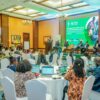















NAIROBI, Kenya May 11 – Nairobi is hosting a regional high-level training workshop on the Animal Resources Information System (ARIS), bringing together experts from Eastern, Southern and selected West African countries to strengthen animal health information management across the continent.
Te training, taking place from May 11 to 14, is being implemented under the European Union-funded Pan-African Programme for the Eradication of Peste des Petits Ruminants (PPR).
Speaking during the opening session on behalf of AU-IBAR Director Dr Huyam Salih, Dr Mary Mbole-Kariuki underscored the importance of reliable and structured data in strengthening surveillance, planning and decision-making in the livestock sector.
She said African countries continue to face major animal health challenges, including PPR, foot-and-mouth disease, lumpy skin disease, avian influenza and rabies.
“To address these challenges, we need vaccines, strong veterinary services, regional coordination and effective laboratories. But we also need another fundamental pillar: data,” she said.
Dr Kariuki noted that ARIS has evolved into a critical continental platform supporting information governance, analysis and decision-making.
“ARIS is not simply a data-entry tool. The ARIS ecosystem is an instrument of information governance,” she stated.
She warned that incomplete or delayed data weakens surveillance systems and affects the effectiveness of public policy and resource allocation.
World Organisation for Animal Health (WOAH) Director-General Dr Neo Mapitse highlighted the role of robust information systems in enhancing global animal health security and coordinated responses to transboundary animal diseases.
EU Programme Manager for Kenya Charles Muteithia said timely and accurate data remains critical for early disease detection and the protection of livelihoods.
The workshop is expected to build the technical capacity of participants in areas such as data validation, reporting, analysis and system management, while supporting the wider goal of strengthening animal disease surveillance systems in Africa.