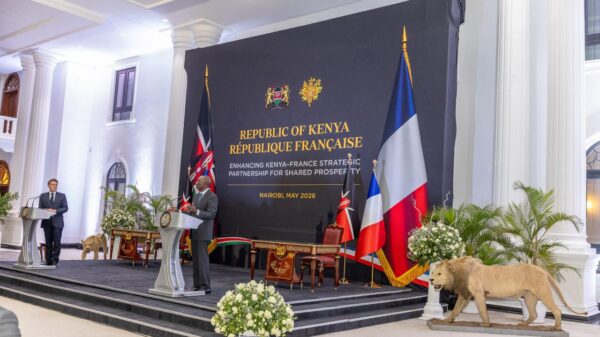









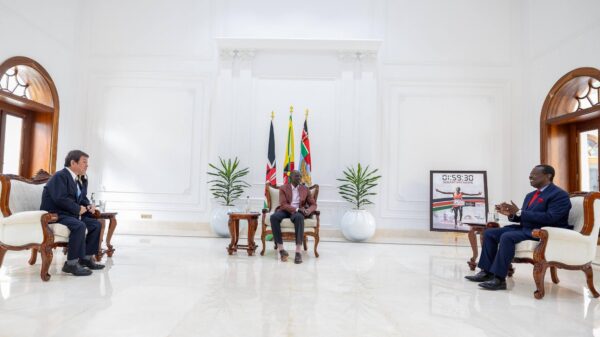


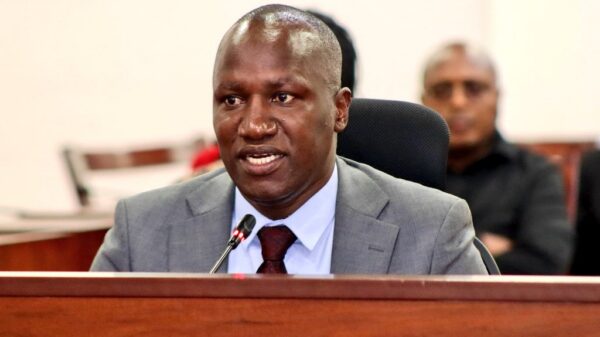
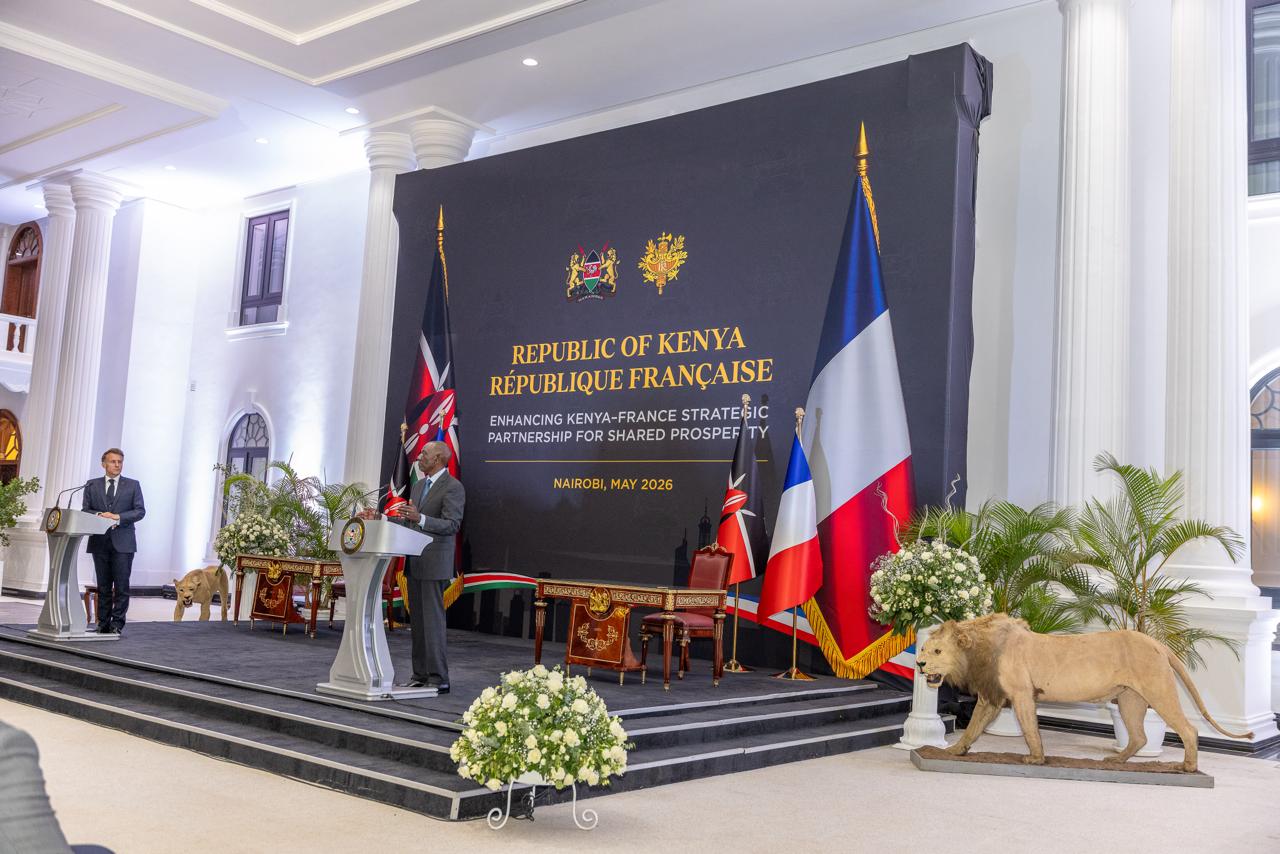

As Nairobi hosts the Africa Forward Summit 2026 at the Kenyatta International Convention Centre (KICC), Kenya finds itself at the centre of one of the most important diplomatic and economic conversations between Africa and Europe in recent years.
For the first time in more than five decades, the summit is being held outside France or a Francophone African country. That decision alone carries strong political significance. It reflects a deliberate shift toward a broader and more inclusive engagement model that recognises Africa not as a passive recipient of global decisions, but as an equal stakeholder in shaping them.
The presence of French President Emmanuel Macron, Kenyan President William Ruto, United Nations Secretary-General António Guterres, and several African Heads of State underscores the summit’s growing importance on the global stage.
But beyond the high-level meetings and official speeches lies a more important question: will this summit produce measurable outcomes for Africa and ordinary citizens across the continent?
That is what will determine whether Africa Forward 2026 becomes a turning point or simply another international gathering filled with ambitious declarations.
The agreements already signed between Kenya and France suggest an effort to move beyond symbolism toward practical cooperation. The two countries signed 11 agreements covering transport, energy, artificial intelligence, digital infrastructure, agriculture, healthcare, and climate resilience.
Among the most notable is the modernisation of the Nairobi Commuter Rail system, expected to improve urban mobility and regional connectivity. Other agreements focus on wind energy expansion, nuclear cooperation, AI partnerships, tea exports, epidemic preparedness, and agricultural value chains.
These sectors matter because they are central to Africa’s future growth. Infrastructure, clean energy, digital technology, healthcare, and food systems will shape the continent’s economic transformation over the coming decades.
More importantly, the summit signals a growing recognition that Africa–Europe relations can no longer revolve around aid alone. The language emerging from Nairobi is increasingly centred on investment, innovation, co-production, technology transfer, and mutually beneficial partnerships.
That shift is long overdue.
For decades, Africa’s engagement with Europe has often been characterised by dependency and unequal economic arrangements. While development assistance has played an important role, it has not always delivered the structural transformation many African economies need.
Africa Forward appears to be attempting a different model — one focused on implementation and shared economic interests.
The summit’s agenda reflects this ambition. Discussions on reforming the global financial architecture, green industrialisation, artificial intelligence, sustainable agriculture, health sovereignty, and blue economy opportunities point toward a broader effort to position Africa as an active participant in solving global challenges.
The debate around global financial reform may prove especially significant.
African countries have increasingly argued that existing international financial systems unfairly disadvantage developing economies through high borrowing costs, limited access to affordable financing, and weak representation within global institutions.
As France prepares to host the G7 Summit next month, the Nairobi discussions offer Africa an opportunity to push its priorities onto the global agenda.
Kenya’s role as host also reinforces its growing diplomatic and economic influence.
Over the past few years, Nairobi has steadily positioned itself as a regional hub for diplomacy, finance, technology, and innovation. Hosting the summit strengthens that image while opening opportunities for partnerships in infrastructure financing, manufacturing, digital transformation, renewable energy, and industrial development.
President William Ruto’s assertion that Kenya is “not looking East or West, but forward” captures the broader strategic mood emerging across much of Africa — a preference for pragmatic partnerships driven by results rather than ideology.
The summit also highlights Africa’s youthful demographic and technological potential. Dedicated sessions on AI, youth employability, digital innovation, entrepreneurship, and creative industries recognise that Africa’s future will increasingly be shaped by its young population and expanding digital economy.
Still, scepticism remains understandable.
Africa has hosted many international summits promising transformation, only for commitments to fade once the meetings end. The true success of Africa Forward 2026 will therefore depend on implementation.
Will the investment commitments materialise? Will technology transfer happen meaningfully? Will African businesses and innovators gain real opportunities within these partnerships? Will reforms to global finance move beyond rhetoric?
These are the questions that matter most.
The summit arrives at a time when global geopolitical alignments are shifting rapidly. Competition over technology, energy, climate financing, and supply chains is intensifying. In that environment, Africa’s strategic importance is growing.
The challenge for African leaders is ensuring that this renewed global attention translates into equitable partnerships rather than another cycle of external dependency.
That is why the expected Nairobi Declaration must go beyond broad aspirations. It should establish clear frameworks for implementation, financing, accountability, and measurable outcomes.
Ultimately, the Africa Forward Summit represents more than a diplomatic gathering. It reflects an evolving global reality in which Africa is increasingly asserting itself not as a peripheral actor, but as a central force in shaping future economic and political systems.
If the summit succeeds in turning dialogue into action, it could mark the beginning of a more balanced and forward-looking era in Africa–Europe relations.