














NAIROBI, Kenya, Mar 13 — The Office of the Director of Public Prosecutions (ODPP) convened a multi-agency conference in Mombasa on Thursday aimed at strengthening collaboration among criminal justice agencies and improving understanding of key prosecution policies.
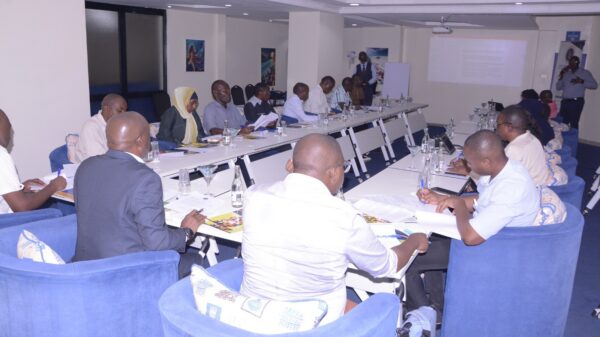
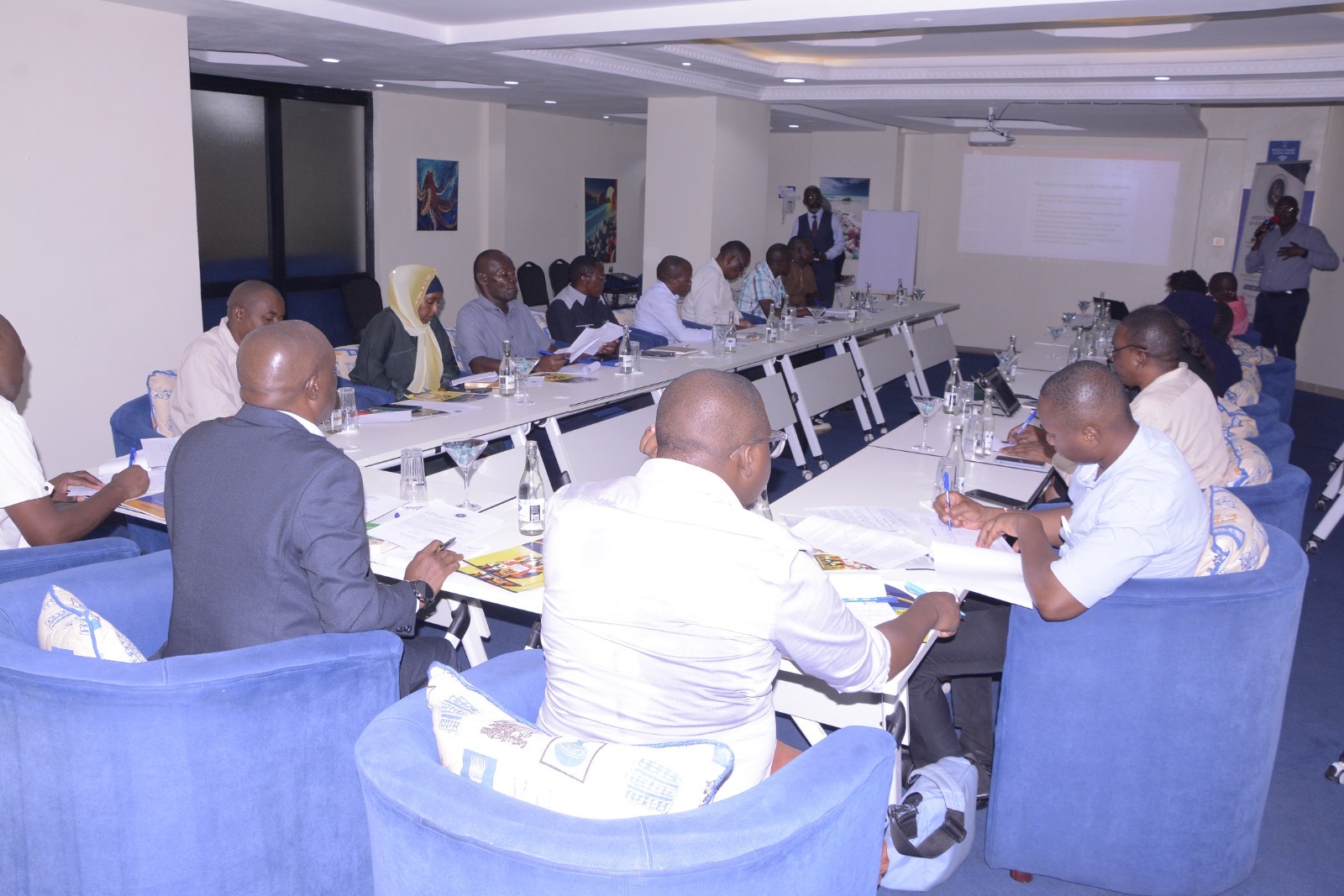
The one-day forum, organized by the ODPP’s Coast Regional Office, brought together investigators, prosecutors, and other justice sector officials to discuss policies guiding the decision to charge, plea bargaining, and diversion.
Opening the conference, Coast Regional Coordinator and Deputy Director of Public Prosecutions Joseph Kimanthi outlined the mandate of the ODPP within the justice system.
He stressed the need for closer cooperation among institutions responsible for investigations and prosecutions.
“Kimanthi emphasized the importance of close collaboration among institutions involved in investigations and prosecutions to ensure efficiency and fairness in the administration of justice,” ODPP said.
The meeting was designed to provide a structured platform for agencies to share information on the ODPP’s mandate and operational policies while drawing practical lessons from investigative and prosecutorial experiences.
Deputy Regional Coordinator and Assistant Director of Public Prosecutions Tito Wanga presided over the training sessions, which were facilitated by several prosecutors from the ODPP.
During technical discussions, prosecution counsels Alex Ndiema and Martin Karuiki led a session on the decision-to-charge policy, explaining the legal and evidentiary standards prosecutors must evaluate before initiating criminal proceedings.
In another session, Principal Prosecution Counsels Franklin Sirima and Brenda Ogada guided participants through Kenya’s plea-bargaining framework, describing it as a mechanism that can speed up case resolution while maintaining fairness in the justice process.
“Plea bargaining allows an accused person to plead guilty to a charge through an agreement with the prosecution,” the prosecutors said.
“It helps resolve cases faster, reduces court backlog, and allows the court to determine an appropriate sentence while ensuring justice is served.”
Under the framework, the process begins when an accused person voluntarily admits to an offense, after which a confession is formally recorded before a competent judicial officer or a senior police officer of at least the rank of chief inspector.
Another session focused on diversion, a policy that allows certain minor offenses, particularly those involving vulnerable offenders, to be resolved outside the formal court process.
Principal Prosecution Counsel Keya Ombele and Prosecution Counsel Martin Mbote explained that diversion programs emphasize rehabilitation, reconciliation, and community-based interventions rather than traditional prosecution.
They noted that only eligible cases can be considered for diversion under the policy.
The conference was organized in partnership with Reach Out Centre Trust, a Mombasa-based organization involved in drug abuse prevention and rehabilitation.
Held at the Sapphire Hotel in Mombasa, the forum brought together officials from the Office of the Director of Public Prosecutions, the National Police Service, the Directorate of Criminal Investigations, the State Department for Correctional Services, and the Children’s Department.
Officials said the initiative is part of broader efforts to strengthen coordination across Kenya’s criminal justice system and promote policies that support efficient and fair case management.