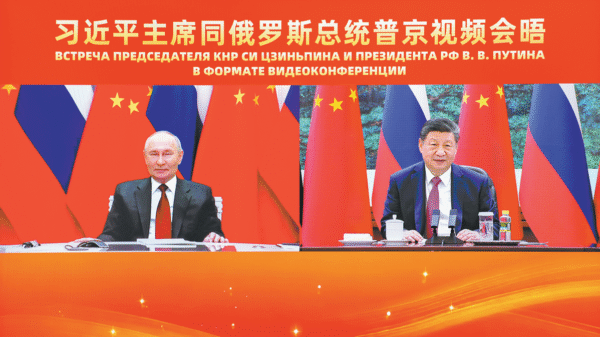








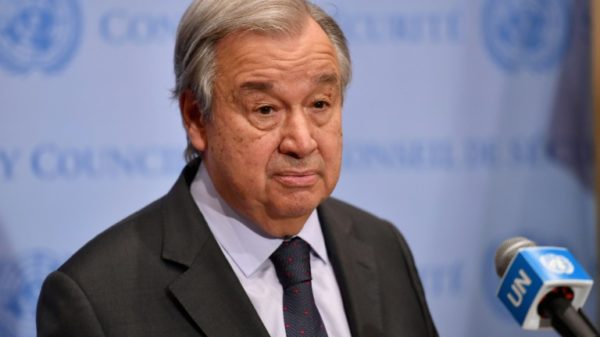




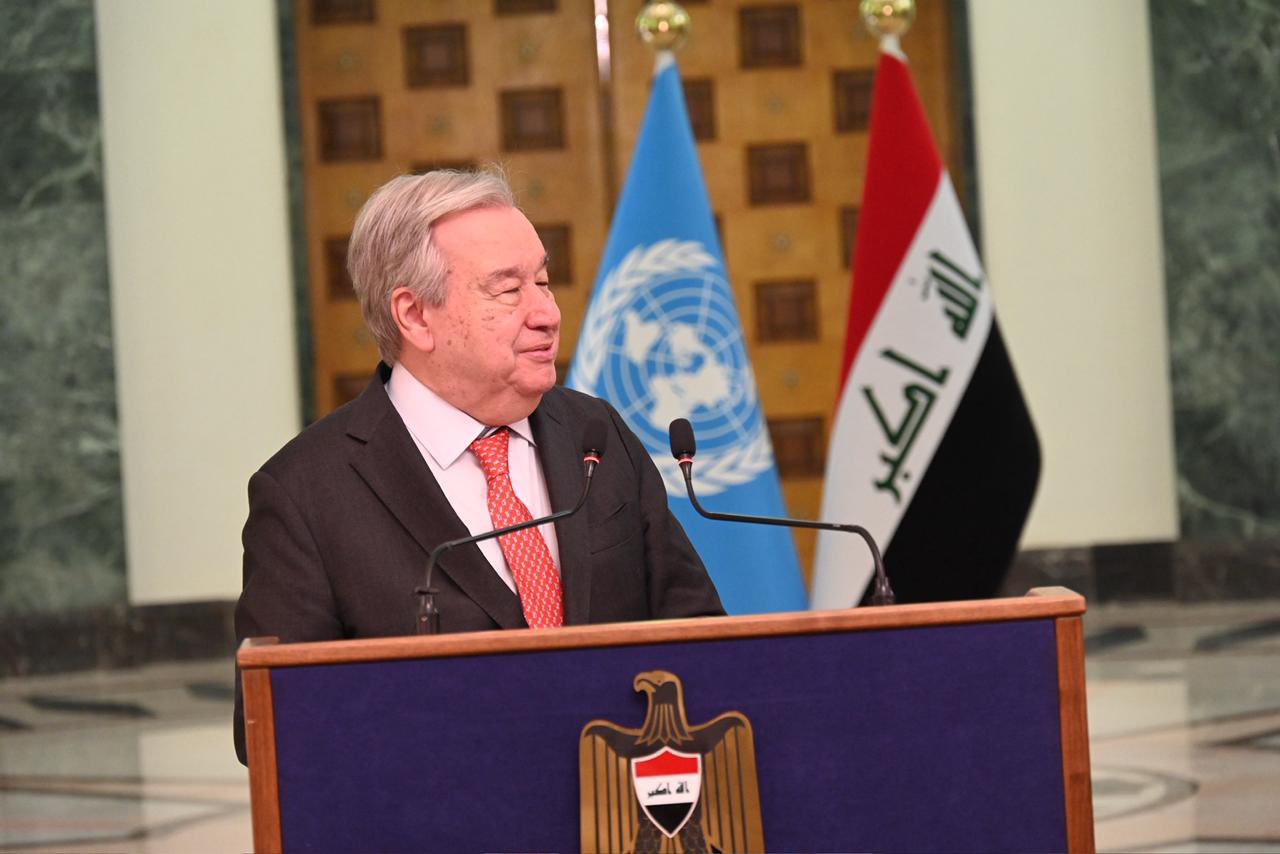

NAIROBI, Kenya, Feb 5 — United Nations Secretary-General António Guterres has called on the United States and the Russian Federation to urgently return to the negotiating table to agree on a successor framework for nuclear arms control, warning that the expiration of the New START Treaty marks a “grave moment” for global peace and security.
In a statement issued Thursday as the treaty expired at midnight, Guterres said the lapse of New START leaves the world, for the first time in more than 50 years, without any binding limits on the strategic nuclear arsenals of Washington and Moscow.
The two countries together possess the vast majority of the world’s nuclear weapons.
“The expiration of the New START Treaty, as of midnight today, marks a grave moment for international peace and security,” Guterres said.
“For the first time in more than half a century, we face a world without any binding limits on the strategic nuclear arsenals of the Russian Federation and the United States of America.”
The Secretary-General noted that throughout the Cold War and its aftermath, nuclear arms control agreements between the two powers played a critical role in preventing catastrophe, reducing the risk of miscalculation, and facilitating the dismantling of thousands of nuclear weapons.
“From the Strategic Arms Limitation Talks (SALT) to New START, strategic arms control drastically improved the security of all peoples, not least the populations of the United States and the Russian Federation,” he said.
Guterres warned that the unraveling of decades of arms control achievements comes at a particularly dangerous time, with the risk of nuclear weapons use at its highest level in decades amid heightened geopolitical tensions and eroding trust among major powers.
However, he said the treaty’s expiration could also serve as a turning point.
“Even in this moment of uncertainty, we must search for hope,” Guterres said, describing the situation as an opportunity to “reset and create an arms control regime fit for a rapidly evolving context.”
He welcomed recent acknowledgements by leaders of both countries of the destabilising impact of a renewed nuclear arms race and the need to avoid a return to unchecked nuclear proliferation.
The New START Treaty, which entered into force in 2011, capped deployed strategic nuclear warheads and delivery systems and included verification and inspection mechanisms.
Its expiration removes the last remaining bilateral nuclear arms control agreement between the two nuclear superpowers, heightening concerns among diplomats and security experts about the risk of a new nuclear arms race.