

















NAIROBI, Kenya Feb 13 – Lawmakers have thrown their weight behind the Sexual Offences (Amendment) Bill, 2023, which seeks to introduce nationwide public education on sexual crimes and safeguard the right to education for victims, including teenage mothers.
The Bill, sponsored by Dorice Donya Aburi (Kisii CWR), amends the Sexual Offences Act (Cap. 63A) to mandate the Cabinet Secretary responsible for Legal Affairs, in consultation with the Cabinet Secretary for Education, to promote awareness on sexual offences through education and information campaigns.
It further provides for programs to protect and promote the education rights of victims of sexual violence.
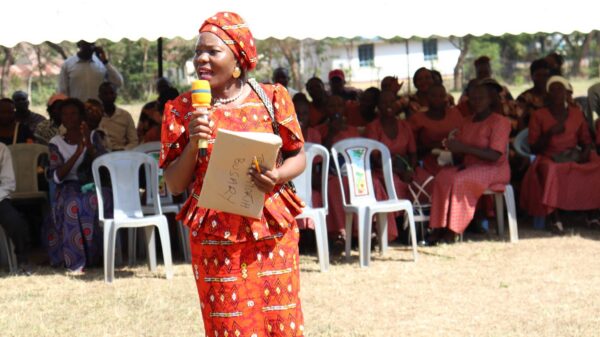
Donya said awareness was the missing link in the country’s fight against sexual and gender-based violence.
“If we don’t teach the public about these offences, they will continue recurring,” she told the House. “When people know the law, they will abide by it. Awareness is prevention.”
She noted that lack of public education had allowed stigma and misinformation to thrive, particularly in rural areas.
“In many cases, when a girl is defiled, the first thing the parents do is tell her to go and shower before seeing a doctor. That destroys evidence and denies victims justice,” she said. “If our communities knew this, they would act differently.”
Donya emphasized that victims must know their rights and feel empowered to report offenders without fear of shame.
“Some victims are told not to report because they will bring shame to the family. This Bill ensures every victim knows that reporting is their right,” she said.
The legislator added that the proposed amendment would also safeguard the right to education for teenage mothers and survivors of sexual violence.
“We must give our girls a second chance. Becoming a mother as a result of assault or early sex should not mean the end of one’s education,” she said.
On her part, Cynthia Muge (Nandi County) said Kenya had progressive laws but poor implementation.
“We have the Sexual Offences Act, the Children’s Act, and even the Protection Against Domestic Violence Act, yet enforcement remains weak,” she noted.
“This amendment seeks to bridge the gap between the law and public knowledge. People must understand their rights and know what to do when violations occur.”
She highlighted the persistence of victim blaming and lack of coordination among police, health facilities, and the judiciary.
“We have the laws, but we still fail our victims because we haven’t made awareness part of enforcement. If citizens know how to respond, even evidence will not be lost,” she noted.
Racheal Nyamai (Kitui Central) commended the Bill, describing sexual violence as a “national shame that cuts across class, age, and gender.”
“Defilement is happening everywhere to the poor, the rich, the educated, and the uneducated,” she said. “If we could ask everyone who has ever been assaulted to speak out, the number would shock this country.”
Jerusha Momanyi (Nyamira County) supported the Bill, urging that rape and defilement cases be treated as state offences to relieve victims of the burden of prosecution.
“When someone is murdered, the state prosecutes. But when a girl is raped, she must decide whether to continue with the case. That must change,” she said.
“Let the state take over such cases so that victims are free from intimidation and stigma.”
She lamented that many perpetrators walk free because of weak laws and community silence. “Those who defile are often released on bail and return to intimidate victims. We must toughen the law and make awareness part of prevention,” Momanyi added..
If enacted, it will require the Ministry of Education and the State Department for Legal Affairs to roll out school-based and community-wide education campaigns, and to develop programs that help victims, particularly teenage mothers, return to school.
“We cannot keep passing laws without teaching people what they mean,” Donya told colleagues. “When awareness becomes part of justice, we will finally begin to end sexual violence in Kenya.”