







NAIROBI, Kenya Jan 5 – For nearly two decades, the Orange Democratic Movement (ODM) was held together by one man, Raila Odinga.
Today, barely months after his death, the party he founded is facing the biggest crisis in its history.
What was once Kenya’s strongest opposition movement is now trapped in confusion, infighting and mixed signals that could push it into political irrelevance by the 2027 General Election.
ODM was born in 2005 out of defiance.
It rose from the famous “No” vote in the constitutional referendum, when Kenyans rejected a draft constitution seen as protecting excessive presidential powers.
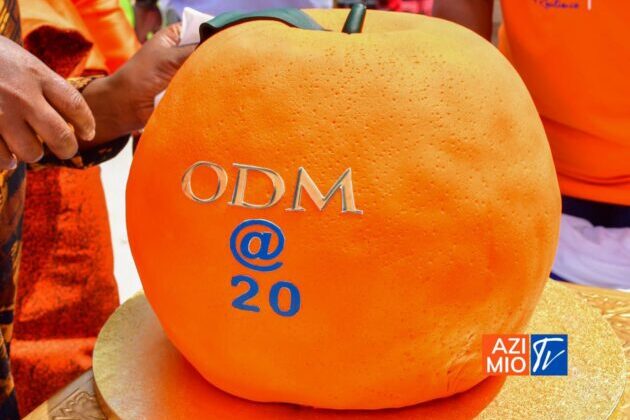
The orange symbol became a badge of resistance, reform and people power.
For years, ODM stood for social justice, devolution and fighting state excesses.
But in 2026, that orange is fading fast.
Raila Odinga died on October 15, 2025, while receiving treatment in India. His death removed the glue that held ODM together.
Even when the party disagreed internally, Raila had the authority to calm tempers, impose direction and keep the party focused.
That stabilising force is now gone.
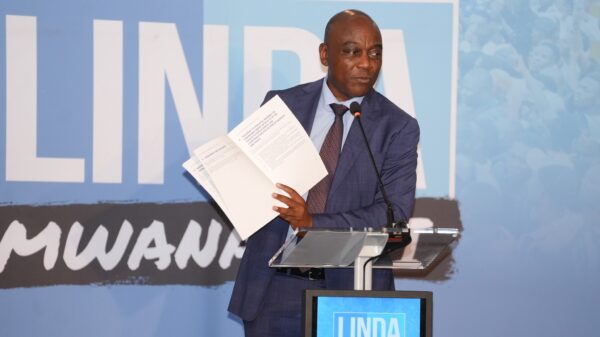
Siaya Senator Oburu Oginga, Raila’s elder brother, took over as party leader in November, becoming only the second person to lead ODM since its formation.
But instead of clarity, his leadership has opened a new fault line.
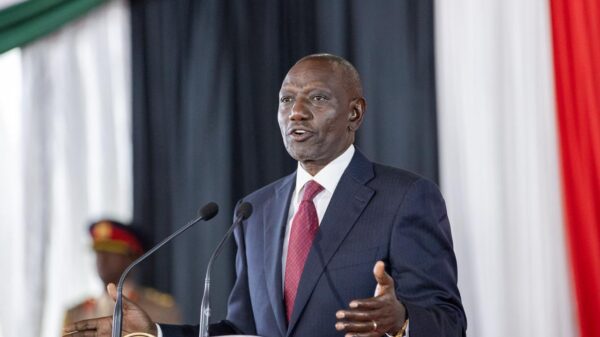
On one hand, Oburu insists ODM will remain inside President William Ruto’s broad-based government until 2027, in line with Raila’s last political pact with Ruto.
On the other, he declares himself the automatic ODM presidential candidate if the party chooses to go it alone.
To many supporters, the message is confusing.
Is ODM preparing to compete for power or preparing to campaign for Ruto?
– A party at war with itself –
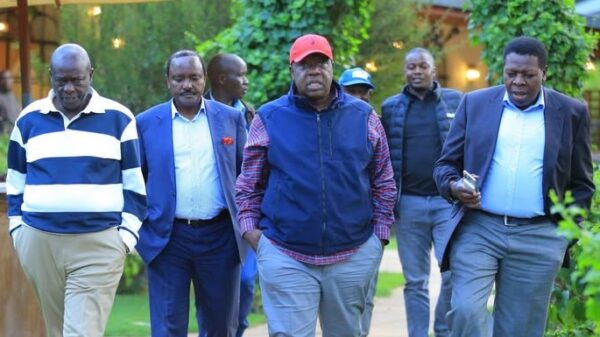
The internal cracks are now in full public view. Senior leaders are openly accusing each other of trying to “auction” the party either to President Ruto to secure his re-election, or to former President Uhuru Kenyatta to rebuild a united opposition.
ODM Secretary General Edwin Sifuna and Siaya Governor James Orengo have openly rejected any plan to back Ruto in 2027.
Sifuna has warned that supporting Ruto would doom ODM electorally and has vowed to walk away if the party makes that decision.
“We will lose the election with Ruto even if we support him,” Sifuna said.
On the opposite side are leaders backing the broad-based arrangement, arguing that ODM must honour Raila’s final political direction and prioritise stability over confrontation.
The fighting has become so ugly that a group of ODM MPs has now demanded an urgent internal meeting to stop the public feuds.
They warn that the chaos is damaging the party’s image, weakening discipline and opening ODM strongholds to rival parties.
Perhaps the most dangerous signal for ODM is coming from its own supporters.
A TIFA Research survey released in December 2025 shows only 19 per cent of ODM supporters want the party to back President Ruto in 2027.
A larger number want ODM to field its own candidate.
The gap between the party leadership and its grassroots base is widening fast.
ODM built its brand on listening to the people.
Today, many supporters feel the party elite is making deals above their heads.
– From opposition to confusion –
ODM’s critics say the party has lost its identity.
It was formed to fight excessive presidential power, yet it now sits inside government.
It once mobilised youth through protest, but now asks them to join the system it used to oppose.
Even President Ruto has publicly urged ODM to “put its house in order,” a statement that quietly exposes how central ODM has become to his re-election strategy and how risky a divided ODM could be for both sides.
ODM now faces a brutal reality.
By the end of 2026, it must decide whether to field its own presidential candidate or back Ruto.
Either choice will come with consequences.
If it backs Ruto, it risks splitting apart and losing credibility as an alternative voice.
If it goes it alone without unity, it risks humiliation at the ballot.
The truth is uncomfortable but clear.
ODM was built around Raila and without him, the party must either reinvent itself into a disciplined, democratic and people-driven movement or fade into history as a once-great force that could not survive its founder.
As 2027 approaches, the clock is ticking.
And unless ODM finds clarity fast, that election could mark not just a political loss but the end of the Orange era itself.