








NAIROBI, Kenya, Dec 1 — The United States has issued a security alert for its citizens in Tanzania, warning of possible nationwide unrest ahead of planned anti-government demonstrations expected on December 9, with protest activity potentially beginning as early as December 5.
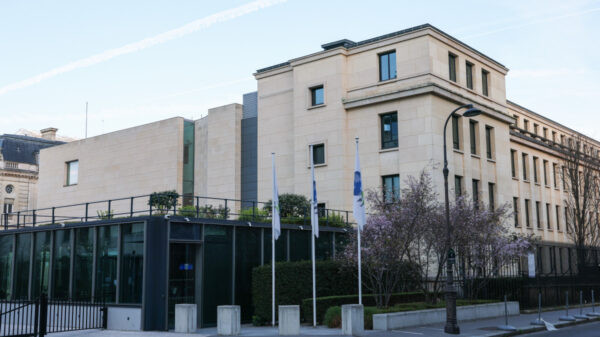
In a notice released by the U.S. Embassy in Dar es Salaam, American travelers were urged to exercise heightened caution due to escalating tensions following last month’s disputed general election, which was marred by violence, an internet shutdown and allegations of mass killings.
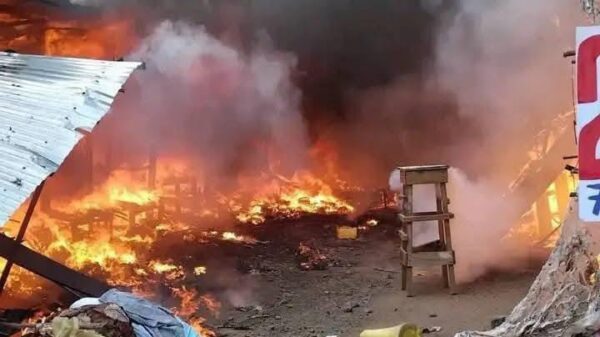
“There are ongoing calls for nationwide anti-government demonstrations on December 9, but protest activity could begin as early as December 5,” the embassy said, noting that recent unrest after the October 29 vote led to “destruction of public infrastructure, violence against civilians, internet shutdowns, and major travel disruptions.”
The embassy warned travelers to expect significant disruptions in the coming weeks, including possible curfews, ferry cancellations between Dar es Salaam and Zanzibar, disruption of international flights, and roadblocks enforcing movement restrictions.
Travelers were also cautioned that foreign nationals have recently faced increased scrutiny from local security forces.
“Security authorities have searched electronics for evidence of connection to unrest or politically sensitive content,” the alert said, adding that sharing images or videos that “may cause panic” is a criminal offense under Tanzanian law.
The alert also underscored that during periods of unrest, the embassy’s ability to assist citizens may be limited.
It advised Americans to avoid demonstrations, maintain emergency supplies, follow any announced curfew, and confirm flight details by phone before heading to airports.
The heightened advisory comes just days after the Tanzanian government cancelled next month’s Independence Day celebrations, with Prime Minister Mwigulu Nchemba announcing that the funds would instead be directed toward rebuilding infrastructure damaged during post-election violence.
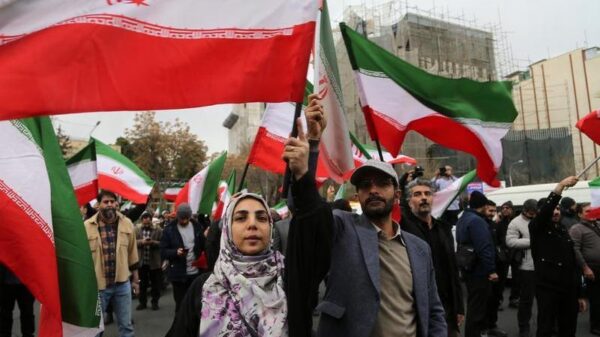
The opposition has called for nationwide demonstrations on December 9 to protest what it describes as a brutal crackdown following the disputed election.
Opposition groups and rights organizations claim that hundreds of civilians were killed by security forces—allegations the government has not addressed directly, though it has formed a commission of inquiry whose independence has been questioned by rights groups.
President Samia Suluhu Hassan, declared the winner with 98 percent of the vote, is facing growing scrutiny both domestically and internationally.
Key opposition figures such as Tundu Lissu were unable to contest the election, while authorities shut down the internet for five days starting on election day and warned against sharing protest images.
Graphic videos and photos of alleged victims have since circulated widely online, with international media organisations verifying some footage despite government accusations that the material is intended to “tarnish” Tanzania’s image.
An international coalition of lawyers and human rights organisations has formally petitioned the International Criminal Court (ICC) to investigate President Samia’s government for alleged crimes against humanity during the post-election unrest, including mass killings and the clandestine disposal of bodies.
The 82-page submission was filed with the ICC prosecutor’s office on November 13.
On November21, pressure intensified after U.S. Senate Foreign Relations Committee Ranking Member Jeanne Shaheen called for an independent international investigation, following a CNN exposé that documented alleged police shootings, mass graves and possible attempts to conceal the death toll.
“This report underscores the disturbing actions by the Tanzanian Government to suppress protestors,” Senator Shaheen said.
“Evidence of mass graves shows an unacceptable attempt to cover up gross violations of human rights.”
CNN’s investigation used satellite imagery, geolocated videos, eyewitness accounts and forensic audio analysis to link security forces to the use of live ammunition and unmarked burials.
The report included images of overflowing morgues and testimonies from medical staff describing gunshot wounds to the head, chest and limbs.
Witnesses in Arusha reported that a pregnant woman and a young man were among those shot, while drone footage appeared to show armed men—including some in civilian clothes—firing at fleeing crowds.
The UN Human Rights Office has said multiple sources indicate that hundreds may have been killed and many more detained.
Tanzania’s government has dismissed the allegations and criticised international media for publishing what it describes as “unverified” reports.
Government spokesperson Gerson Msigwa said the inquiry commission announced by President Samia would “shed light” on the events, urging journalists to avoid “stories aimed at tarnishing the country’s image.”
Prime Minister Nchemba has appealed to Tanzanians to avoid further violence, stressing the need for dialogue. “Let us not return to what we went through, because the consequences are irreparable,” he said on Monday.
Despite early moves after taking office in 2021 that suggested a loosening of political restrictions, critics say Tanzania’s political space has narrowed significantly in the lead-up to and aftermath of the 2025 elections.