
















NAIROBI, Kenya Aug 24 – Kenyans were on Saturday advised to avoid “handling or consuming bushmeat” following two reported cases of MPox in the country.
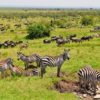
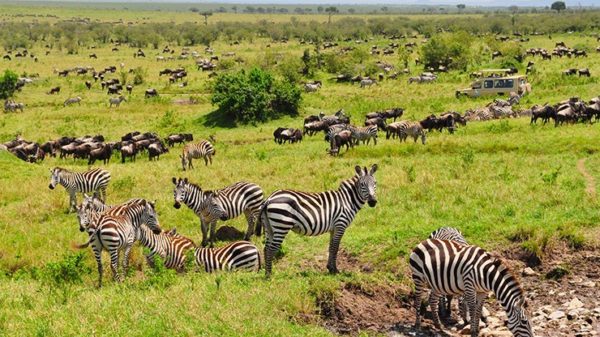
Tourism Cabinet Secretary Rebecca Miano issued the warning, emphasizing on the importance of steering clear of wildlife due to the disease’s potential transmission from animals to humans.
“This entreaty comes in the wake of reports of cases of Mpox affection in the country. Though reported cases are isolated thus far—the prevailing situation, nonetheless, foreshadows a potential eruption if cautionary counsel from experts goes unheeded,” Miano stated.
The latest case involves a 40-year-old truck driver who tested positive after traveling from Mombasa to DRC.
In response, the Ministry of Health has heightened surveillance at border points to detect any case.
With increased travel and movement, the risk of infectious diseases spreading has become more pronounced.
Experts have pointed to the need for heightened vigilance and proactive measures to prevent an outbreak, especially in densely populated areas and along border points.
“In this day and age of dire consequences of extreme climate change ebb and flow, host-vector-pathogen dynamics are likely to result in unprecedented disease emergence and re-emergence, thus making the call to stay away from bushmeat urgent,” Miano said.
Health officials and environmental experts have repeatedly warned about the significant risks posed by bushmeat, which is often sourced from wild animals carrying diseases that can easily be transmitted to humans.
The recent emergence of zoonotic diseases, such as Ebola and other viral infections, has been closely linked to the consumption of bushmeat, highlighting the dire consequences of such practices
“The wide range of possible afflictions heralded by handling or consumption of bushmeat alone is ample reason for all responsible Kenyans to completely avoid any incautious dalliance with wildlife now and in the future,” said Miano.