



















By Rajan Shah
The government, through the Bottom-up Economic Transformation Agenda (BETA), has committed to drive economic and inclusive growth through agricultural value chain approach. The adopted value chain approach strategy will transform the agriculture sector, hence increase productivity, eradicate hunger, reduce the cost of living, create jobs, and promote inclusive growth. As Kenya Association of Manufacturers (KAM), we are excited to see these commitments translate into tangible actions, including enhancing the linkage between agriculture and manufacturing.
Agriculture is crucial to our economic transformation. According to the Economic Survey, 2023, the sector contributed 21.2% to GDP in 2022. Additionally, it employed 299,700 in the formal sector, making it the second largest private sector employer after manufacturing, which had 329,600 formal employees. Despite this impact, data from the State Department of Trade indicates that exports of processed agricultural and livestock commodities have stagnated at around 16%. Further, productivity in the agriculture sector remains low due to poor incentives and underdeveloped supporting infrastructure and institutions. The linkage with the manufacturing sector through agro-processing and agro-based manufacturing, and access to requisite infrastructure will certainly transform agricultural output.
To support the government’s value chain approach, KAM has initiated the Agriculture for Industry (A4I) strategy. The strategy seeks to bolster integration between agriculture and manufacturing by working with all KAM members in Agro-processing Sectors (Food & Beverages; Textiles & Apparels; Leather & Footwear; Agro-processing; and Agro-chemical) to address challenges in the agro-processing value chains.
Through discussions with its members, KAM has identified several key value chains, including cotton, leather, dairy, grains, tomatoes, potatoes, pyrethrum, and nuts, and the challenges that hinder their seamless linkages with the manufacturing sector. These challenges highlighted include information asymmetry leaving farmers with minimal knowledge of buyers’ expectations and vice versa; insufficient incentives to produce high-quality products; high post-harvest losses; limited capital input; low mechanization of agricultural processes hence low productivity. Consequently, agro-processors are unable to procure quality raw materials, consistently, and at a competitive price.
KAM is working with the members to collect aggregate demand data for different value chains with a view to procure agro-based raw materials from farmers. For instance, the current processing capacity for dry pyrethrum flowers is about 6,000 metric tonnes per year against an estimated domestic production of 886 metric tonnes in 2022 (Economic Survey, 2023). Through A4I, KAM aims to reverse such trends by bridging the domestic production gap of required agro-based raw materials by manufacturers. The demand data, quality standards, indicative pricing will significantly minimize the information asymmetry that exists between farmers and manufacturers.
The County Governments offer great promise towards driving this agricultural transformation agenda. We laud the collaboration of both levels of government towards the development of the County Aggregation and Industrial Parks (CAIPs). Indeed, it is great to see County Governments kick off initiatives to implement the same. This initiative is unique since it brings together Aggregation Centres and Industrial Parks. Aggregation Centres offer small-scale farmers a centralized location where they can take their crops for basic value addition such as grading, sorting, cleaning, packaging, and distribution for value addition or sale in the domestic or export market. On the other hand, Industrial Parks bring together private firms to these common user facilities to gain economies of scale and positive externalities by sharing infrastructure and taking advantage of opportunities for bulk purchasing and selling, training courses, extension services, modern technologies, recycling, and use of agro-industrial waste/residues. Whereas it is commendable to have all the 47 counties hosting the multifaceted industrial and aggregation parks, there is an opportunity for counties to explore the economies of scale through Regional Blocs.
Through initiatives such as CAIPs, Kenya has an opportunity to build an ecosystem to adopt modern technology for value addition; enhance forward and backward linkages with better markets; increase value-added products and growth in manufacturing; and improve working relationships with players in agriculture and manufacturing sectors, government, development partners and the public.
We recognize that Kenya has had a lot of opportunities to strengthen local value chains, especially to support existing manufacturing industries. For this to happen, continued consultation with all stakeholders in the value chain is required. It is also critical that proper policies are put into place and a conducive regulatory environment is created. Not to mention, the introduction of critical measures such as reviving extension services and providing incentives to accelerate growth in the agriculture sector.
There is also a need for careful analysis of opportunities and gaps in the identification of sector-level support at counties to contribute to import substitution and export orientation. This will ensure constant supply of high-quality agricultural products in the country that meet local industries’ needs for raw materials, intermediate products, and inputs. It is also important that we strive to create efficiency in inter-county trade including utilizing regional blocs, to benefit from specialization and spur better economies of scale. KAM, through its members in agro-processing, will play its role by providing a structured offtake market.
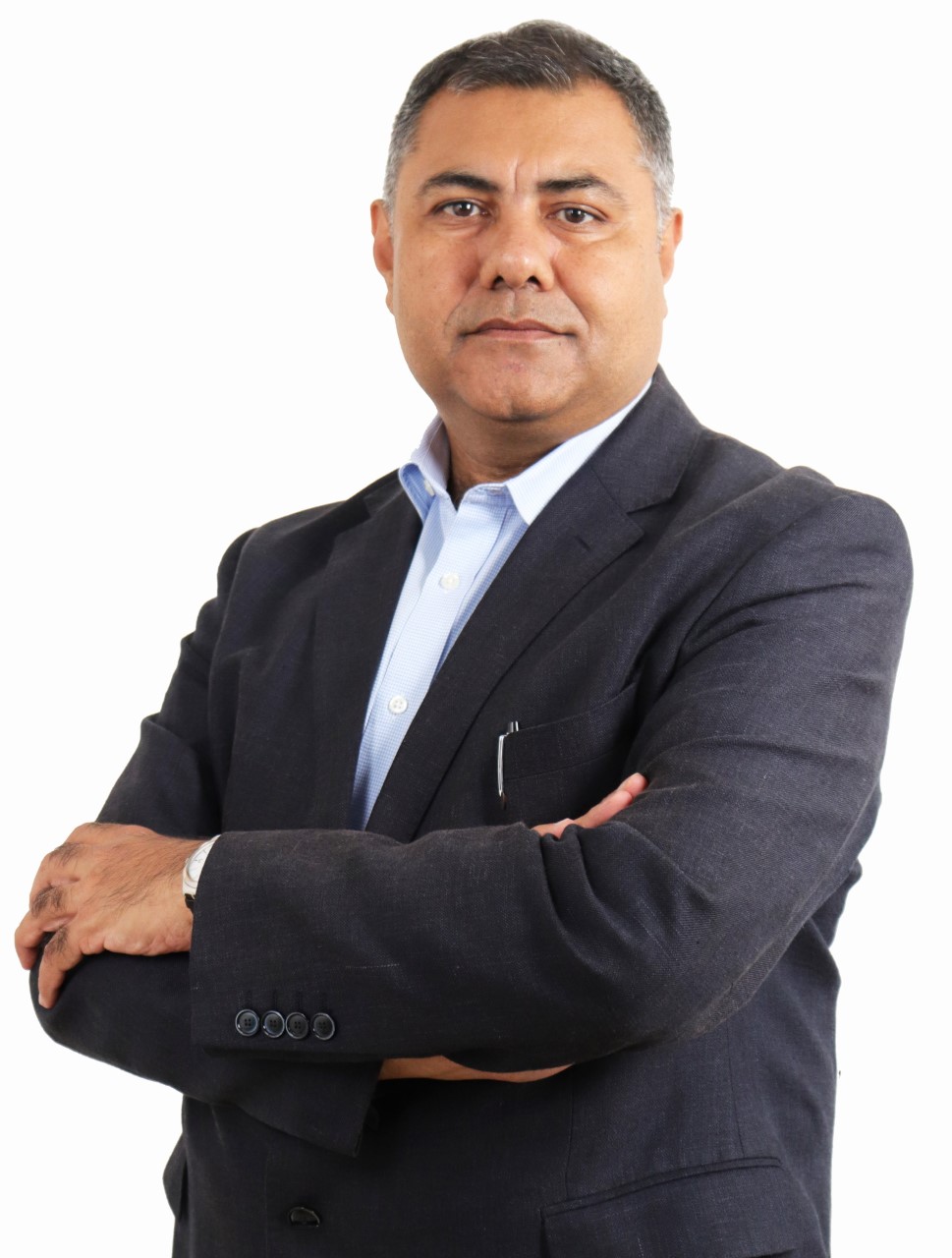
The writer is the Chairperson of Kenya Association of Manufacturers (KAM) and can be reached at info@kam.co.ke.