













By Laetitia Bader
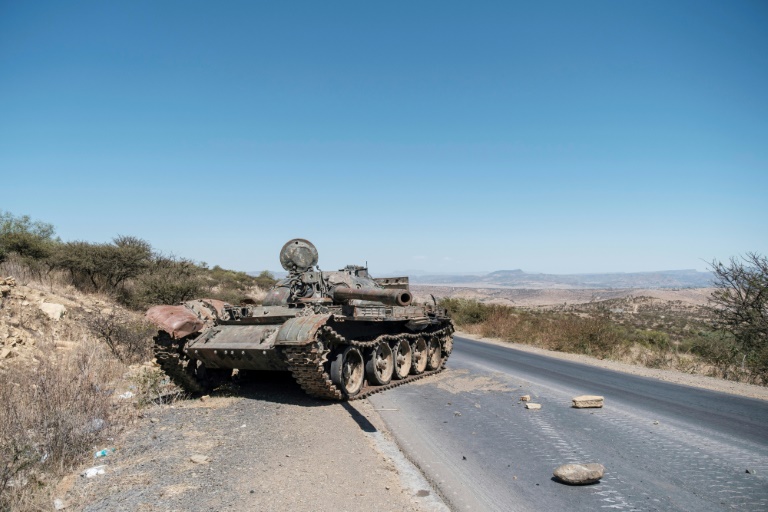
The future of European Union engagement in Ethiopia will be high on the agenda of EU foreign ministers gathering next Monday in Brussels. This meeting takes place 19 months into an armed conflict originating in the northern Tigray region that has been devastating for the civilian population.
The Ethiopian government in February lifted a state of emergency used to arbitrarily arrest thousands of Tigrayans, and since April has permitted greater numbers of aid convoys to enter Tigray. Still, abuses and suffering remain rife in northern Ethiopia. For nearly a year, the government has maintained an effective siege of Tigray, limiting food, fuel, and other critical supplies while also shutting off communications, banking, and electricity. While more aid has been allowed in, the amount remains far less than the population’s needs. The lack of drug supplies and services in particular means that people with chronic illnesses, along with survivors of abuses, including wartime sexual violence, do not have essential care.
Human Rights Watch in April released a report with Amnesty International documenting an ethnic cleansing campaign against Tigrayans by officials and security forces from the neighboring Amhara region. While the authorities restrict access to rights monitors and aid agencies, hundreds and perhaps thousands of Tigrayans are arbitrarily detained there in life-threatening conditions.
In a May 26 letter to the EU and member states, Human Rights Watch called for clear human rights benchmarks to underpin relations with the Ethiopian government. These include ending mass arbitrary detentions and allowing independent monitors’ access to detainees, the restoration of basic services, and unhindered and safe humanitarian access throughout conflict-affected areas.
There has been no meaningful accountability for war crimes and other serious abuses committed in Amhara, Tigray, and neighboring Afar regions. Government investigative processes and outcomes lack transparency, and international investigations continue to be hampered.
Federal authorities have for years conducted mass arrests and prolonged arbitrary detentions in Oromia, and have more recently detained thousands in Amhara.
For EU pressure to carry weight, the focus needs to be on ending harm to civilians. Diplomatic engagement and access with Ethiopia’s government should not be an end in itself, but a tool to achieve tangible progress in protecting civilians countrywide.
As the world watches the EU take robust measures against those responsible for war crimes elsewhere in the world, it shouldn’t settle for less in the Horn of Africa.

NATIONAL NEWS




KENYA US RELATIONS




More on Capital News


Africa
Ethiopia has secured the bid to host COP32 in 2027 after unanimous endorsement by the African Group of Negotiators, with Prime Minister Abiy Ahmed...


EAC
DCI Mohamed Amin urges East African partner states to enhance collaboration in combating transnational crime, highlighting the role of regional intelligence-sharing and capacity-building initiatives.
Africa
A Climate Watch Advisory released Friday by the IGAD Climate Prediction and Applications Centre (ICPAC) warns that the region has already experienced significantly drier-than-usual...


Africa
Eritrea has not yet commented on the letter, but its relationship with Ethiopia has become increasingly strained in recent months.
Africa
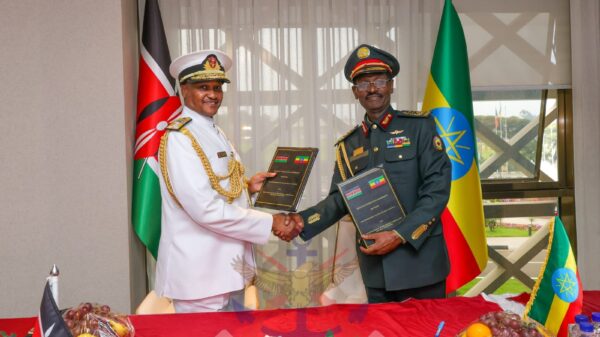
KDF said the pact establishes a structured framework for more efficient, effective, and timely cooperation.


DIPLOMACY
NAIROBI, Kenya, Sep 24 — National Assembly Speaker Moses Wetangula has urged Egypt to embrace inclusive dialogue in resolving its decades-long dispute with Ethiopia...


Africa
NAIROBI, Kenya, Sep 10— Egypt has condemned Ethiopia’s inauguration of the Grand Ethiopian Renaissance Dam (GERD), describing it as a unilateral action that violates...


DIPLOMACY
Ruto emphasized the need for cooperation, equity, and mutual respect in managing the trans-boundary river that supports millions of livelihoods.