












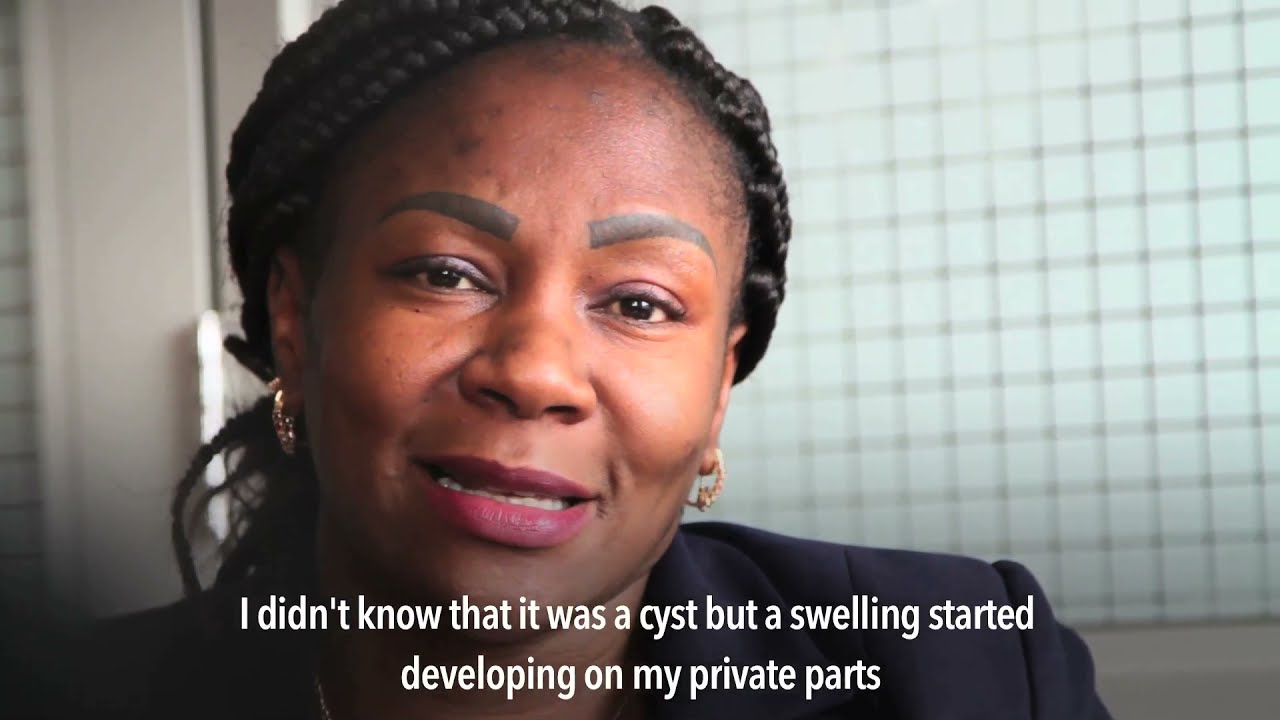

NAIROBI, Kenya, Sep 16 – At the wake of age 11, Evangeline Mukami had to experience a tormenting ordeal in outskirts of Embu. She describes the agony and shame of going through Female Genital Mutilation (FGM) in the presence of her relatives and village women.
“Its a very painful experience that you wouldn’t wish on anyone. At a tender age you are just playing then one morning you are called in and there is a ‘so-called’ the nurse. An injection is given to you and within no time you are bleeding. You are feeling pain, yet you are being told not to cry, that you are now being prepared to be a woman,” she says.
Being ambushed and not knowing the reason for the cut tormented her as a child and she has had to live with the painful memories to date.
“I never got to be a child. I was told I’m a woman, to sit nicely, wear a leso, don’t climb on trees. Even in school you are told that you should not play ‘aimlessly. I was only 11, and in 2nd grade.”
FGM continues to thrive because of patriarchal norms that conditions girls and women to meet men expectations about how girls must behave.
Unfortunately, Mukami developed cysts, from the cut, that have recurred throughout her childhood and adulthood amidst numerous surgeries. She speaks of the numerous pain and complications that the cysts have taken her through.
“I never dated in campus. You can imagine with the swellings, whom are you going to date? When expectant, you go to see a doctor and the nurse says ‘who did this to you? Who scarred you?’ That makes you guilty for things that were not in your control. Its like you had a choice.”
FGM causes serious complications to its survivors including scarring, cysts, abscesses, infertility, and increased susceptibility to infections. The survivors may also have difficulty and pain when they menstruate, urinate or have sexual intercourse. Childbirth may be fatal, as they have obstructed labour, which can cause obstetric fistula and also puts mother and baby at risk of dying
It is in February 2021, that Evangeline finally got a little relief after a friend recommended her to get reconstructive surgery in a bid to undo the injustice done to her. She says that even the doctor told her that when she walked out of the theater, she would feel like a different person. The operation, though costly, has given her a new light and taken away most of the burden she has carried for nearly 3 decades. She has since gotten in touch with herself and gained courage and confidence.
Though the brutal act happened to her more than 2 decades ago before the enactment of the Child protection Act and Prohibition of FGM Act, Evangeline has now vowed to speak out about the secret practice still happening in her community. She is now using her exposure to speak against this harmful practice so that future generations will not go through the pain she has gone through.
Evangeline acknowledges the efforts by the government to eradicate FGM in Kenya but cautions that laws alone cannot bring the harmful practice to an end. It requires more mobilization on the grassroot level to change attitudes and behaviors.
“For me, it’s to engage with the community more, shed more light, and tell them the side effects. For me if you tell me the negative parts of an activity I’m doing, I’m likely to step back and think about it. Prosecution will be there but very few will be prosecuted because it’s a silent thing in the community like where I come from. How will the police know about it? Even the next-door neighbour doesn’t know. The chief will not man every home. The police officers will not man every home. We will only get to know about the ones that have adverse effects like bleeding where they are taken to the hospitals but the rest will be silenced,” Mukami states.
Kenya’s Government Anti-FGM Board leader Benadette Loloju echoes Evangeline’s words. She says there a few reports recorded even though the practice is still pervasive in certain regions. She blames secrecy and the fact that FGM happens within families.
In 2019, President Kenyatta made the bold and important pledge to eliminate FGM in Kenya by 2022. With this directive, the anti FGM board is working towards getting more awareness to the communities with the hope to achieve more reporting that will lead to the prosecutions of perpetrators.
Between 2011 and 2014, of the 71 cases reported in Kenya, 16 resulted in convictions, 18 in acquittals and four were withdrawn. In 2014, the remaining 33 cases were still pending. The most recent report published by the UNFPA-UNICEF Joint Programme listed 75 cases brought to court and ten convictions in Kenya in 2016
Madam Lolojo says the agency she is leading works with partners across the country to do outreach to communities.
“We’ve had very high awareness creation through the social media, through the mainstream media and social media networks. We as the anti-FGM board are coordinating a very strategic awareness creation where we have our partners CBOs and NGOs at the community level carrying out community dialogues speaking to our people and making them understand why FGM should stop,” she says, adding that they have also brought men on board as allies to speak against FGM.
Between 2019 and 2021, the board has had 3 declarations from 3 communities, which are considered to practice FGM in a very high manner. The declarations are from the Borana Gamigayo elders, Kisima declaration by Samburu elders and the Alare declaration by the Pokot elders at the border of Kenya and Uganda.
“We are seeing that we are getting to zero as we move forward with the campaign, she reiterates.
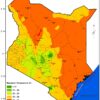
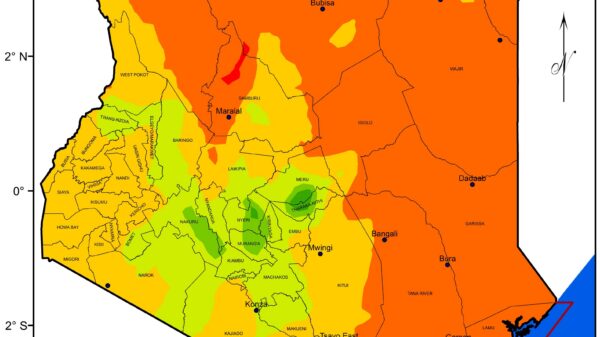
Kenya is home to 4 million girls and women who have experienced FGM. Overall, 21 per cent of girls and women aged 15 to 49 years have undergone the practice, varying from 98 per cent in the North Eastern region to 1 per cent in the Western region. The practice is mostly prevalent amongst the Kisii, Maasai, Borana, Kuria, Kalenjin and Somali people. Traditional practitioners perform most FGM, except in the Kisii community, where health personnel are responsible for FGM practice
Female genital mutilation (FGM) is a violation of human rights. Kenya is a signatory to international human rights instruments like the Optional Protocol to the African Charter on Human and Peoples Right on the Rights of Women in Africa also known as the MAPUTO Protocol, which prohibit all form of harmful cultural practice like FGM. Kenya criminalised all forms of FGM through the enactment of the Prohibition of Female Genital Mutilation Act 2011, and in 2019 adopted a revised National Policy for the Eradication of FGM that has shaped the national programme. The countrys progress towards abandoning FGM in the past three decades is strong compared to other countries in Eastern and Southern Africa.