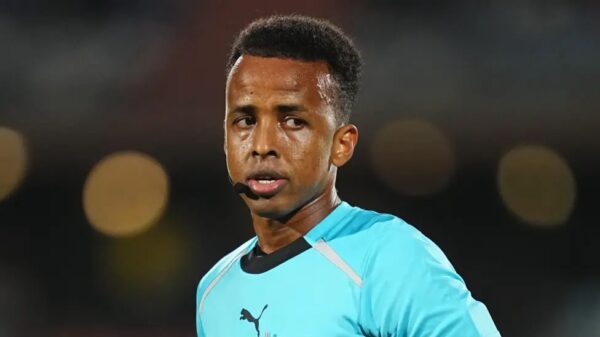

























NAIROBI, Kenya, Apr 9 – In recent hours, World Rugby has embraced the prosecution of an individual who directed abusive messages via social media toward a Rugby World Cup 2023 match official and their family members.
Alan Gilpin, Chief Executive Officer of World Rugby, expressed satisfaction with this significant development, stating, “World Rugby welcomes this landmark outcome.
The vile and toxic abuse is an all too common occurrence for many sports men and women and public figures, and we hope that this sends a very strong message to online trolls that such behaviour is totally unacceptable and that the sport and the authorities are prepared to take action.”
This incident underscores the toxic threat of cyberbullying in sports.
In the realm of sports, victories and defeats are routine occurrences. Athletes are accustomed to the rollercoaster of emotions, from the cheers of triumph to the jeers of disappointment. Yet, amidst these challenges, a new foe emerges from the shadows—one that strikes at the heart of sporting ethos: cyberbullying.
In this digital age, athletes step away from the field only to confront another battleground—a virtual one, where trolls wield their keyboards like weapons, ready to unleash torrents of hate, harassment, and intimidation.
From grassroots competitions to the grand stages of professional sports, cyberbullying has become an epidemic, poisoning the essence of competition and camaraderie.
No athlete is spared. From rising stars to seasoned veterans, cyberbullies spare no one in their quest to spread toxicity. They hide behind anonymous profiles, emboldened by the shield of internet anonymity, launching vicious attacks on athletes’ appearances, performances, and personal lives with impunity.
However, let there be no mistake: cyberbullying is not mere harmless banter. It is a corrosive force that corrodes the mental well-being of its victims.
Picture stepping onto the field burdened by a deluge of insults, each keystroke cutting deeper than any physical blow. Though the scars may not be visible, their impact runs just as deep.
Athletes, revered for their physical prowess, are often forced to navigate treacherous waters off the field. They endure a relentless barrage of negativity, with their every move scrutinized and their mistakes amplified for all to see. While some may possess the resilience to weather this storm, others are not as fortunate, succumbing to the suffocating pressure of cyberbullying’s unyielding assault.
Yet, it is not only athletes who bear the brunt of this scourge. Coaches, officials, and fans alike find themselves in the crosshairs, targeted for daring to stand in the way of the cyberbullies’ insatiable thirst for destruction.
Referees receive death threats for split-second decisions, coaches endure relentless abuse for their strategic choices, and fans face a barrage of vitriol for their allegiance to their teams.
The pressing question then arises: what can be done to stem the tide of cyberbullying in sports? It begins with acknowledging the issue and refusing to ignore the suffering it inflicts. Sports organizations must take decisive action to safeguard their athletes and stakeholders, implementing robust policies to combat cyberbullying and holding perpetrators accountable for their actions.
Perhaps the most potent weapon in this fight against cyberbullying is solidarity. Athletes, coaches, officials, and fans must unite, refusing to allow bullies to dictate the terms of engagement.
By standing shoulder to shoulder, united in our resolve to eradicate this scourge, we can reclaim the true spirit of sportsmanship and ensure that the arena remains a bastion of competition, not cruelty.
The time for action is now. Let us rise to the challenge, confront the growing menace of cyberbullying head-on, and forge a future where athletes can compete with dignity and respect, both on and off the field.
–Michael Kwambo is a retired rugby player and the Kenya Rugby Union Communications Manager–