










NAIROBI, Kenya, Dec 10 – On December 7, 2021 Kenyans woke up to disturbing news of a policeman who went berserk, shot his wife dead before he opened fire indiscriminately killing five people and injured two others.
He then committed suicide by blowing his head using an AK-47 rifle.
Later that day, another man killed his wife in Mitaboni, Machakos county, after a domestic squabble.
These are just a few examples of the extreme effects of Gender-Based Violence that have recently made headlines in local media outlets in the country.
The government has come under heavy criticism from Human Rights Watch over the slow response in dealing with gender-based violence cases reported across the country throughout the coronavirus pandemic period, some attributed to stress and others linked to economic hardships.
In Africa especially, there have been reports of abuse such as intimate partner violence, sexual harassment, child marriage, Female Genital Mutilation (FGM), domestic and sexual abuse of women and girls. These were exacerbated particularly under lockdowns.
In addition, with online learning, cases of online abuse, harassment and exploitation of children have been on the increase. However, well-documented gender data remains a key challenge towards the rollout of comprehensive and systematic GBV and COVID-19 response and recovery efforts in the African Union member states.
That is why Kenya, like the rest of the world, is marking #16DaysOfActivism. The 16 Days of Activism against Gender-Based Violence is an annual international campaign that kicked off on November 25, the International Day for the Elimination of Violence against Women, and which ended on December 10 with the observance of Human Rights Day.
Vi Agroforestry, a Swedish development cooperation organization, is part of a wider network in Kenya, Rwanda, Uganda and Tanzania working to help governments flatten the GBV curve in communities.
Celina Butali, the agency’s Regional Gender, Children and Youth Advisor, singled out interventions to ensure food security in affected communities among key strategies. She notes that scarcity of resources is a major contributor to gender-based violence in most homes.
”We train communities on ways to ensure they are food secure and can sell any surplus to make some money for day-to-day running in the home,” she said in a recent interview with this writer.
She advises parents to desist from forcing their young girls to early marriages saying such practices make them vulnerable to abuse.
It is important for both genders to understand the different forms of GBV which should not be taken for granted. Victims, she says, are encouraged to seek help immediately if they feel aggrieved. Gender-Based Violence is emotional and mental as is physical.
Butali is among Kenyans of goodwill who have joined efforts to help the government in its mandate to end GBV, including sexual violence by 2026.
”It is absurd that the society is normalizing an issue that is causing untold pain and suffering to individuals and it’s because our social norm dictates how people behave, dress etc. This is decoded differently by someone else and could land you in problems,” she said.
A GBV survivor’s experience
Nominated Member of County Assembly of Trans Nzoia county Ann Wanjiku narrates the painful experience she went through in the hands of her estranged husband.
”I knew this man way back in campus where we met. He was charming and loving. After graduating we both got jobs in Kitale. He joined the General Service Unit (GSU) while l got employed at Moi University as an administrative assistant,” she says.
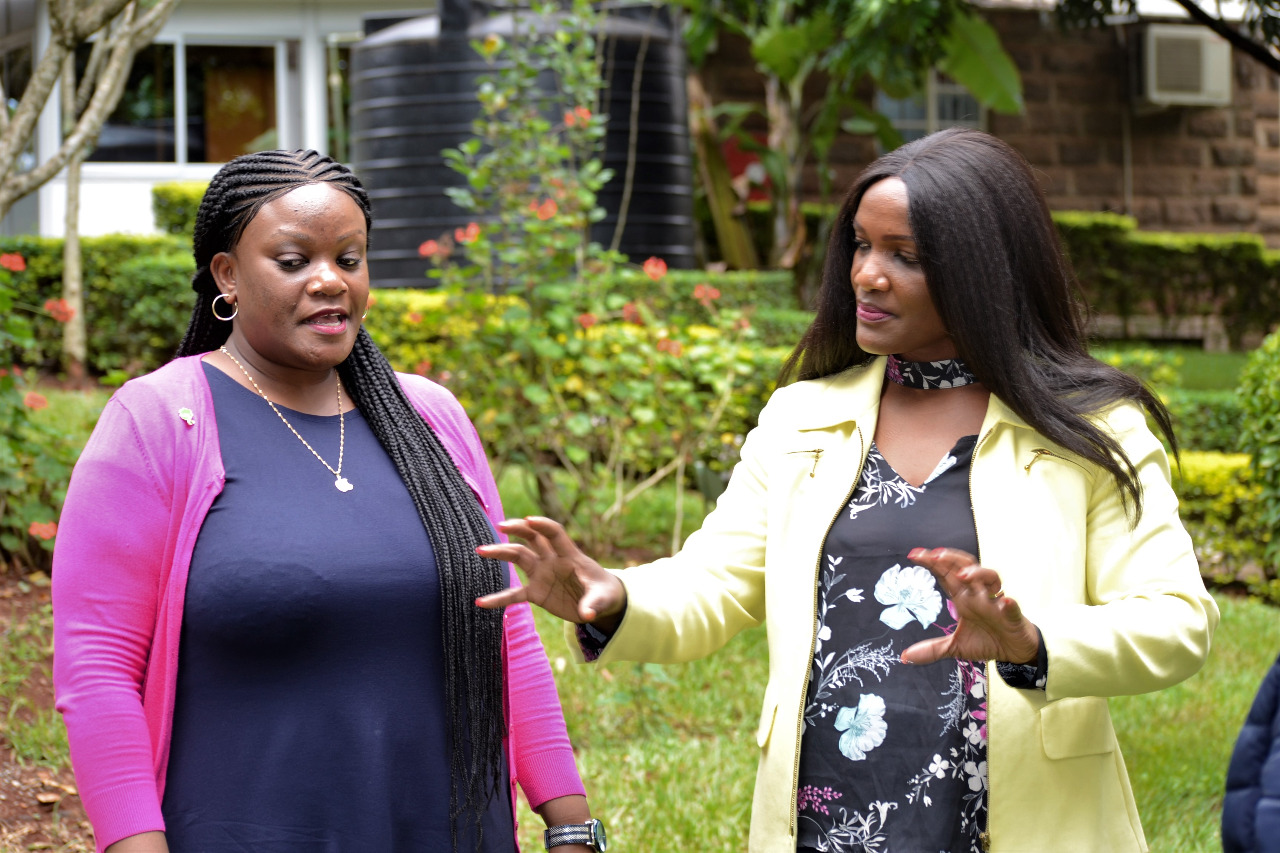
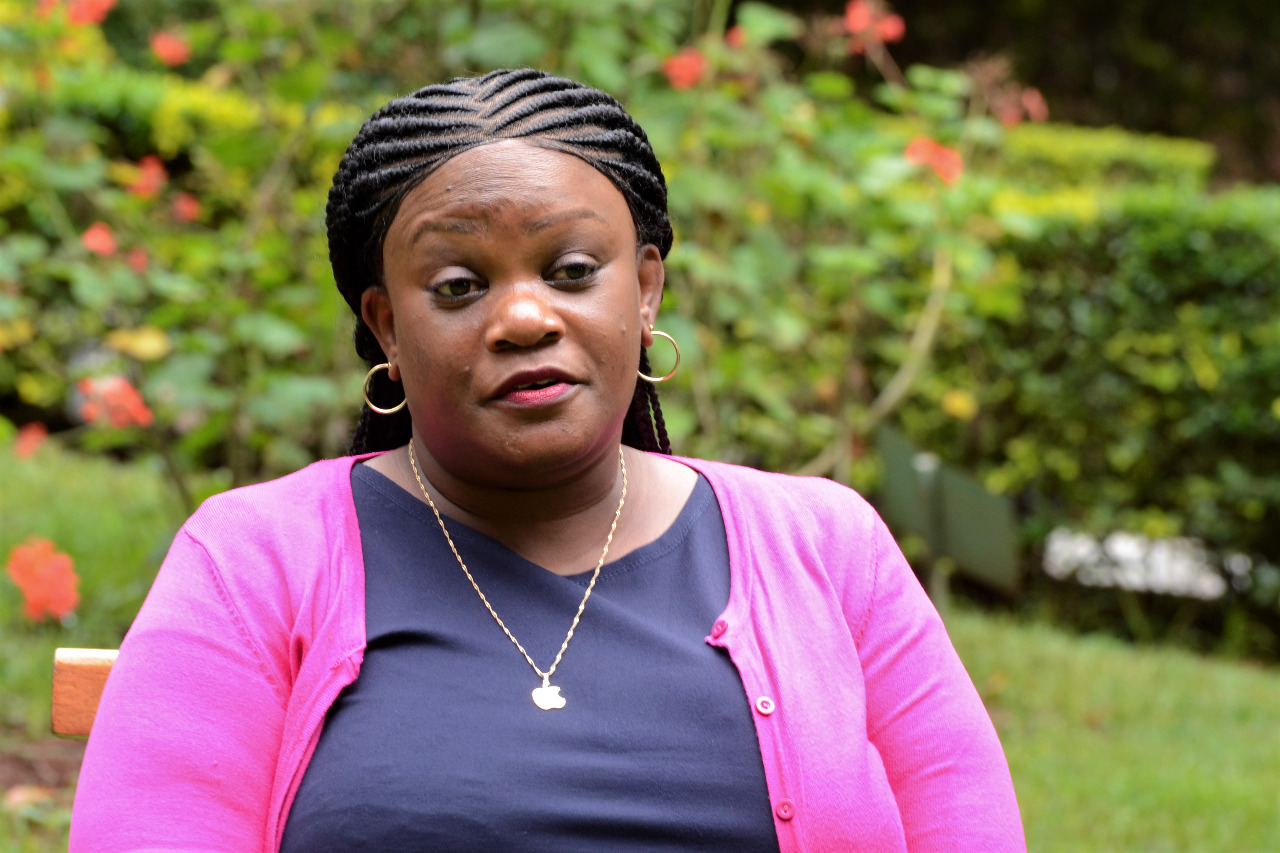
VI Agroforestry, Regional Gender, Children and Youth Advisor Celina Butali. Photo: MOSES MUOKI.
The love birds eventually got married and in 2013 moved in together. Three months into the marriage the man she thought she once knew had suddenly changed for the worse. Ann says physical assault, insults and lonely nights became the order of the day. She hoped her husband then would soon change, but she was so wrong.
She says victims of GBV cling onto abusive relationships due to mental torture that makes them believe they are worthless.
The nominated MCA was determined to make her marriage work despite the odds, besides she would not want to be the one whose marriage was in the rocks while her siblings were doing well.
The estranged man was always insecure according to Wanjiku. He tracked her movements, phone calls and text messages.
”One morning in 2014 he came home drunk after spending the night out, Wanjiku recalls, he immediately started accusing her of infidelity and what followed were kicks and blows injuring her left eye which almost went blind. And the more l pleaded with him to stop the more he punched me. This was a wake-up call for me,” she says.
Later in the day she packed her few belongings and escaped to her parent’s home. He pleaded for leniency but she had made a decision never to go back. What followed were threats to her life. Despite blocking him he used different telephone numbers to track her down. And she reported the matter to the relevant authorities and the man was transferred away from the region.
Her advice to those going through GBV is to report to the police and leave as soon as they can before the situation worsens.
Wanjiku is now settled in a peaceful marriage and proud mother of one. She is a board member of the Trans-Nzoia women leaders, a Non-Governmental Organization that helps women in abusive relationships as well as empowers them to realize their self-worth.
A panel of experts discussed the findings of the most recent surveys conducted in the region and how survey findings have been and can be used to combat violence against women. For instance, according to a 2021 report of 13 countries surveyed worldwide, more than 80 percent of women in Kenya perceive an increased incidence of sexual harassment since the onset of COVID-19.
Of the countries surveyed globally, Kenya was also found to have the highest exposure to at least one form of violence during the pandemic.
President Uhuru Kenyatta on Wednesday voiced concern over the rising cases of Gender-Based Violence in the country and urged especially police officers to seek solutions to challenges facing them instead of resorting to the gun.
The global theme for this year’s 16 Days of Activism against Gender-Based Violence, is “Orange the world: End violence against women now!”