

















June 1 – India and Oman have officially brought into force a landmark Comprehensive Economic Partnership Agreement (CEPA), paving the way for expanded trade, investment, and economic cooperation between the two countries while strengthening connectivity to Gulf and East African markets.
The agreement, which took effect on June 1, marks a major milestone in bilateral relations and is expected to significantly boost exports, create jobs, and deepen economic integration between South Asia and the Gulf region.
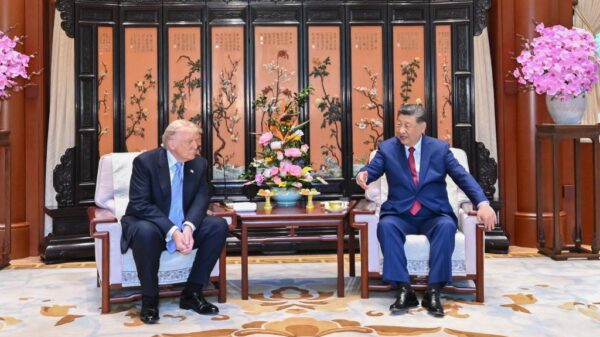
Signed in Muscat on December 18, 2025, in the presence of Indian Prime Minister Narendra Modi and Sultan Haitham bin Tarik Al Said of Oman, the pact grants duty-free access to 99.38 percent of Indian exports to Oman, making it one of India’s most comprehensive trade agreements in the Gulf region.
Indian Commerce and Industry Minister Piyush Goyal said the agreement reflects New Delhi’s strategy of building resilient and diversified trade partnerships while supporting farmers, fishermen, entrepreneurs, women, youth, and small businesses.
“The India-Oman CEPA marks a defining milestone in India’s engagement with Oman and opens new opportunities for exporters and professionals. Oman is not only a trusted partner but also a gateway to the Gulf and East Africa,” Goyal said.
Bilateral trade between the two countries reached USD 11.18 billion in the 2025/26 financial year, up from USD 10.61 billion the previous year, underscoring growing commercial ties.
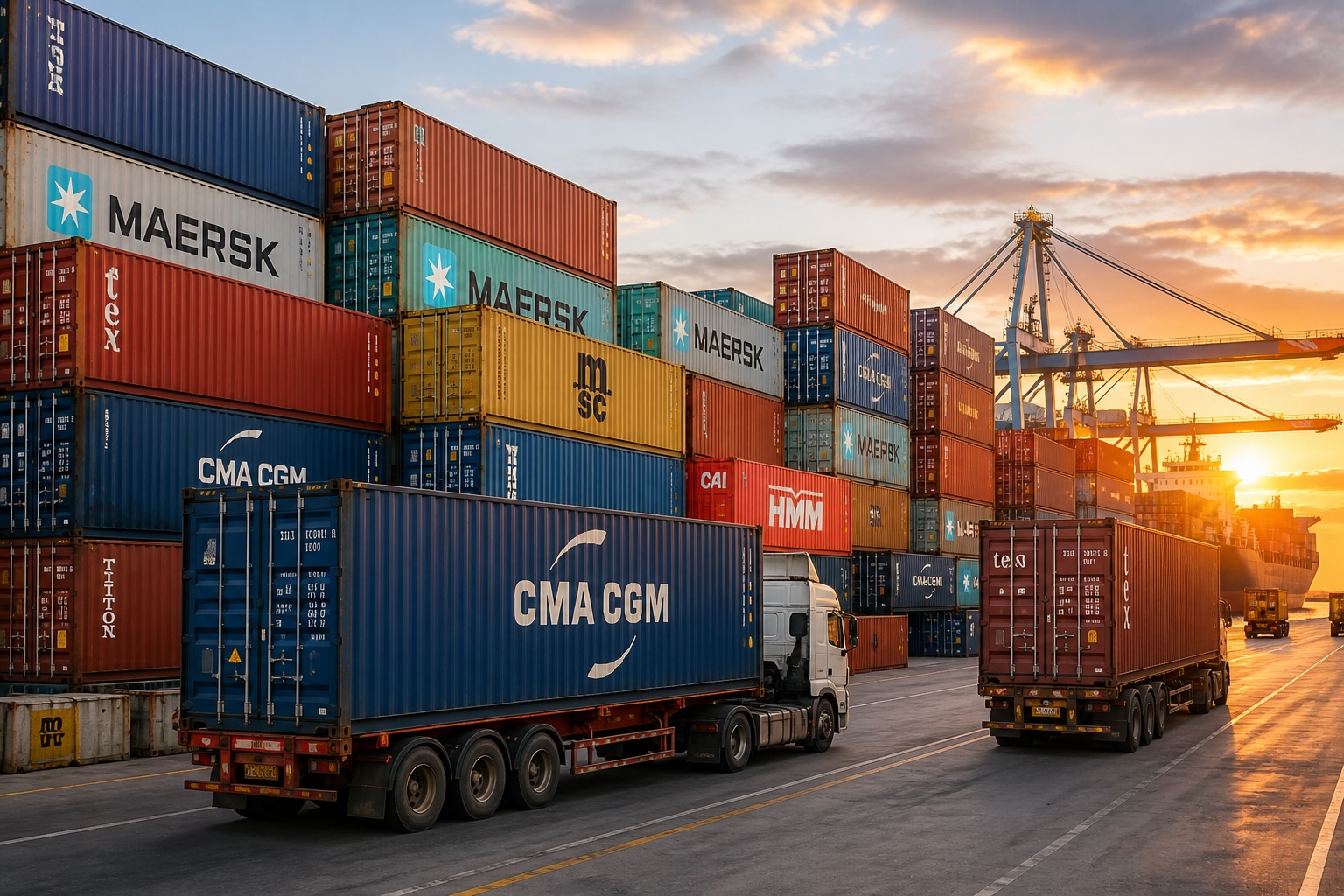
Under the agreement, labour-intensive sectors including agriculture, marine products, textiles, gems and jewellery, pharmaceuticals, engineering goods, footwear, and automobiles are expected to benefit from full tariff elimination and improved market access.
The pact also includes trade facilitation measures aimed at reducing non-tariff barriers. Certificates issued by India’s Export Inspection Council will now be accepted at Omani ports, easing export procedures and reducing costs for businesses.
For Indian service providers, the agreement opens opportunities across 127 service sub-sectors, including information technology, healthcare, education, engineering, and consulting. Oman has also increased the ceiling for ICT professionals from 20 percent to 50 percent, providing greater access for Indian talent.
The agreement further accelerates pharmaceutical exports, with medicines approved by major international regulators such as the US Food and Drug Administration and the European Medicines Agency eligible for marketing authorisation in Oman within 90 days.
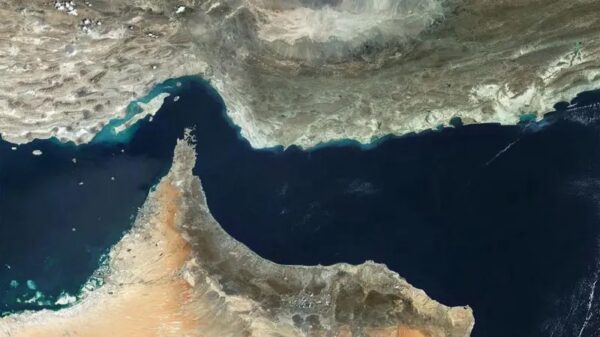
Officials say Oman’s strategic logistics hubs at Sohar, Duqm, and Salalah will provide Indian exporters with enhanced access not only to the Gulf Cooperation Council market but also to East Africa, creating a new trade corridor linking some of the world’s fastest-growing regions.
To protect domestic producers, sensitive sectors including dairy products, cereals, fruits, vegetables, edible oils, oilseeds, rubber, leather, and spices have been excluded from market access commitments.
India said the agreement will strengthen supply chains, support manufacturing competitiveness, and position both countries to take advantage of shifting global trade patterns and emerging economic corridors.