















NAIROBI, Kenya May 7 – President William Ruto has revealed that a recent audit in the education sector has uncovered widespread irregularities involving “ghost learners” in public schools across the country.
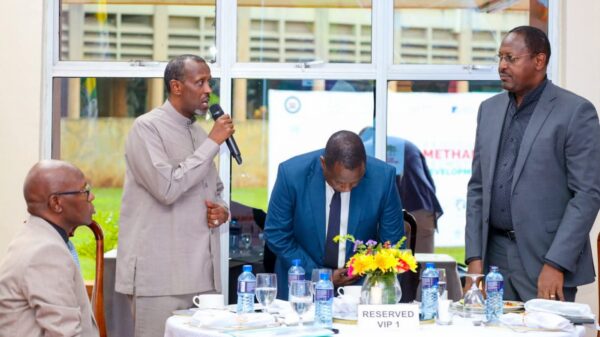
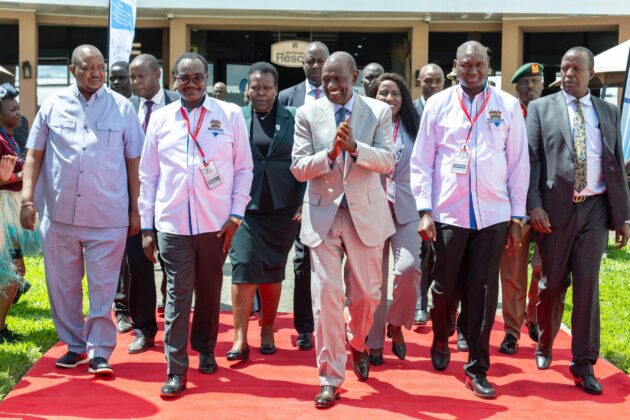
Speaking during the National Education Conference in Naivasha, the President said the audit identified approximately 800,000 non-existent learners in primary schools and 87,000 in secondary schools, raising serious concerns over inefficiencies and possible misuse of education resources.
Ruto said the findings underscore the need for stronger accountability systems in education financing and management, noting that the government will take firm action to ensure that public funds are directed only to genuine learners.
He emphasized that the anomalies had been identified as part of broader reforms aimed at strengthening transparency and efficiency in the education sector under the Bottom-Up Economic Transformation Agenda.
The President warned that the government will not tolerate corruption or manipulation of education data, adding that those responsible for the discrepancies will be held accountable.
The revelations come at a time when the government is implementing major reforms in the education sector, including the Competency-Based Education (CBE) system, expanded teacher recruitment, and increased investment in school infrastructure.
Ruto also reiterated that education remains central to Kenya’s development agenda, saying it is the foundation for industrialisation, innovation, and long-term economic transformation.
He added that the government will continue tightening oversight in the disbursement of capitation funds to ensure resources directly support real learners in classrooms.
The findings are expected to trigger further audits and reforms aimed at cleaning up education data and improving efficiency in resource allocation across the country’s schooling system.