














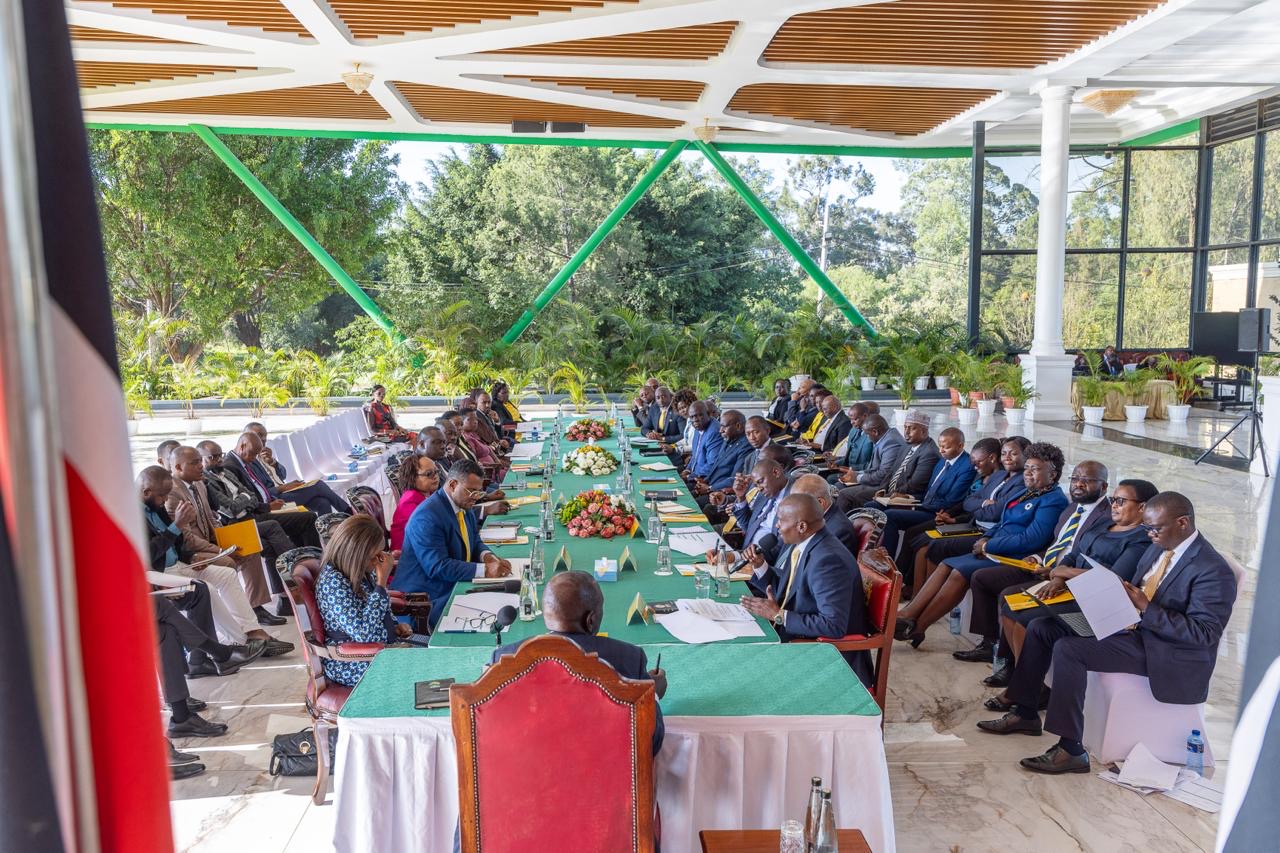

NAIROBI, Kenya Jan 14 – The United Democratic Movement (UDA) has taken steps to formalise its political partnership with the Orange Democratic Movement (ODM), signalling possible coalition arrangements ahead of the 2027 General Election.
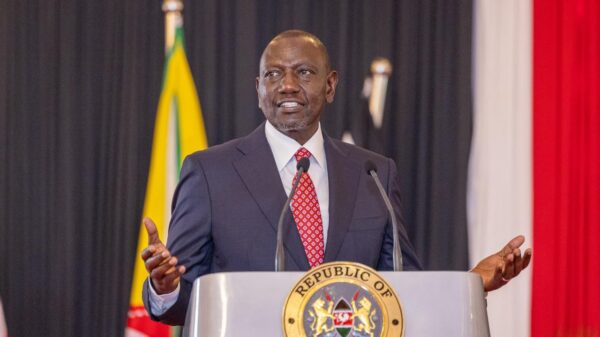
In a communiqué issued after a National Executive Committee (NEC) meeting chaired by party leader William Ruto on Wednesday, UDA said it had taken note of ODM’s decision to initiate structured negotiations within the Kenya Kwanza Coalition to strengthen cooperation and negotiate a coalition agreement.
“The NEC noted the decision of the ODM Party Central Management Committee to initiate structured negotiations with the UDA Party, in the Kenya Kwanza Coalition, to strengthen the ongoing political partnership and negotiate a coalition agreement ahead of the 2027 general elections,” the party said.

The NEC subsequently mandated President Ruto to establish mechanisms for structured engagement with ODM to facilitate the talks.
“The NEC mandated the UDA Party Leader to establish mechanisms for structured engagement with the ODM party to achieve the desired outcome,” the communiqué added.
UDA said the partnership has already yielded key political milestones, including the adoption of the National Dialogue Committee (NADCO) report, the formation of a broad-based administration that includes ODM members, and the signing of a Memorandum of Understanding on a 10-point reform agenda.
“The partnership has resulted in the adoption of the NADCO report, the establishment of the broad-based administration and the signing of the Memorandum of Understanding on the 10-point agenda,” the party said.
The party also credited the cooperation with mutual support for candidates during the November 27, 2025 by-elections, which saw UDA and ODM candidates jointly win all contested Senate and National Assembly seats.
“There was consensus for mutual and reciprocal support for UDA and ODM candidates, which resulted in the two parties winning all the Senate and National Assembly seats contested in the by-elections held on 27th November 2025,” the statement read.
Even as it advances coalition talks, UDA is reorganising its grassroots structures following elections held across 20 counties on January 10, 2026.
According to the NEC, the grassroots polls attracted 492,439 candidates vying for 231,770 positions across 17,953 polling centres, with about 2.4 million party members participating.
“The grassroots elections attracted 492,439 candidates who contested for 231,770 seats in 17,953 polling centres, with a total of 2.4 million party members participating,” the party said.
UDA noted that 56 per cent of those elected were men, 44 per cent women, while youth accounted for 33 per cent.
However, the NEC directed the National Elections Board (NEB) to conduct repeat elections within 30 days in polling centres where voting did not take place or participation was deemed inadequate.
“The NEC directed the NEB to organise and conduct repeat elections within 30 days in all polling centres where either elections did not take place or there was no adequate participation of party members,” the statement said.
The NEC also instructed the NEB to organise ward-level party elections nationwide within 30 days after the repeat polls and to develop a calendar for member sensitisation and aspirant registration.
In addition, the NEC approved the establishment of Ward Executive Committees comprising seven members to be elected by Ward Congresses, which will act as electoral colleges made up of polling station officials.
“The NEC approved the proposal for the establishment of the Ward Executive Committee comprising seven members who shall be elected by the Ward Congress,” the party said.
The Electoral and Nomination Dispute Resolution Committee (ENDRC) was further directed to conclude the resolution of disputes arising from the grassroots elections in line with the party constitution.