
















NAIROBI, Kenya, Jan 18 — The National Drought Management Authority (NDMA) has intensified efforts to respond to worsening drought conditions following the activation of coordination mechanisms at both national and county levels.
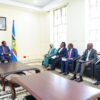
In a statement on Sunday, NDMA said its Chief Executive Officer, Hared Hassan, participated in a Lagdera Sub-County Steering Group meeting held in Modogashe and chaired by Deputy County Commissioner James Mutuku.
The meeting reviewed the evolving drought situation, food security indicators, and ongoing response interventions in the sub-county.
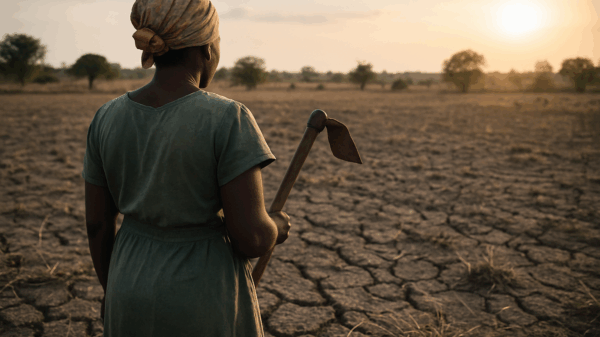
According to NDMA, several wards in Lagdera are currently experiencing severe drought conditions, characterized by poor pasture and browse availability, as well as acute water shortages.
“The conditions are undermining livestock productivity and food production while increasing livestock and human migration, with heightened risks of resource-based conflict,” NDMA said, noting that urgent conflict management measures were emphasized during the meeting.
The authority reported that key food security indicators remain outside normal seasonal ranges, underscoring the need for close monitoring and timely interventions to prevent further deterioration.
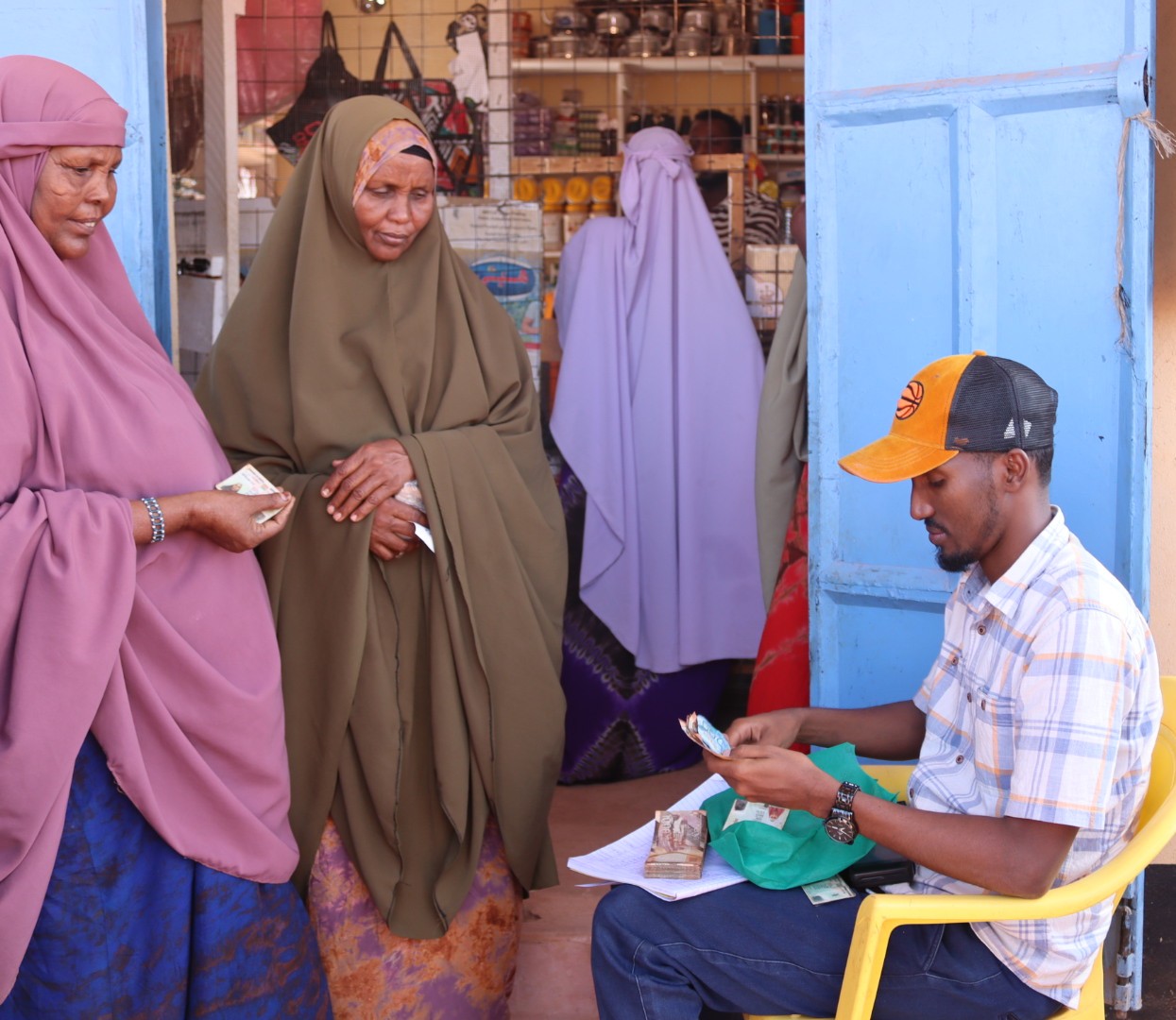
To cushion vulnerable households, the National Government is implementing relief measures, including food assistance through the State Department for Special Programmes and cash transfers under NDMA’s Hunger Safety Net Programme. These interventions aim to stabilize food consumption and protect livelihoods in drought-affected areas.
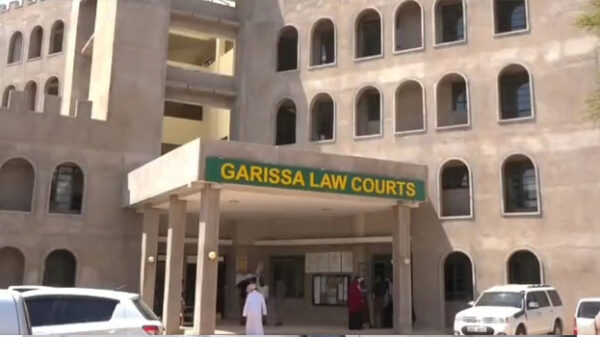
At the county level, NDMA said the Garissa County Government, in collaboration with development partners such as Save the Children, CARE International, and the Food and Agriculture Organization (FAO), is rolling out complementary response activities across the sub-county.
Additionally, NDMA-supported water trucking is expected to commence next week to ease acute water shortages and reduce the burden on affected communities.
NDMA reaffirmed its commitment to working closely with national and county governments, humanitarian partners, and local communities to strengthen drought preparedness, response, and resilience as dry conditions persist.