
















NAIROBI, Kenya, Dec 7 — The African Union Support and Stabilisation Mission in Somalia (AUSSOM) took centre stage at the Doha Forum on Sunday as global leaders discussed stronger coordination of international security assistance to Somalia.
The session, titled “Coordinating International Security Assistance to Somalia,” is part of the Doha Forum 2025 — a global platform that brings together policymakers, diplomats, and international partners to advance dialogue on peace, security, and sustainable development under this year’s theme: “Justice in Action: Beyond Promises to Progress.”
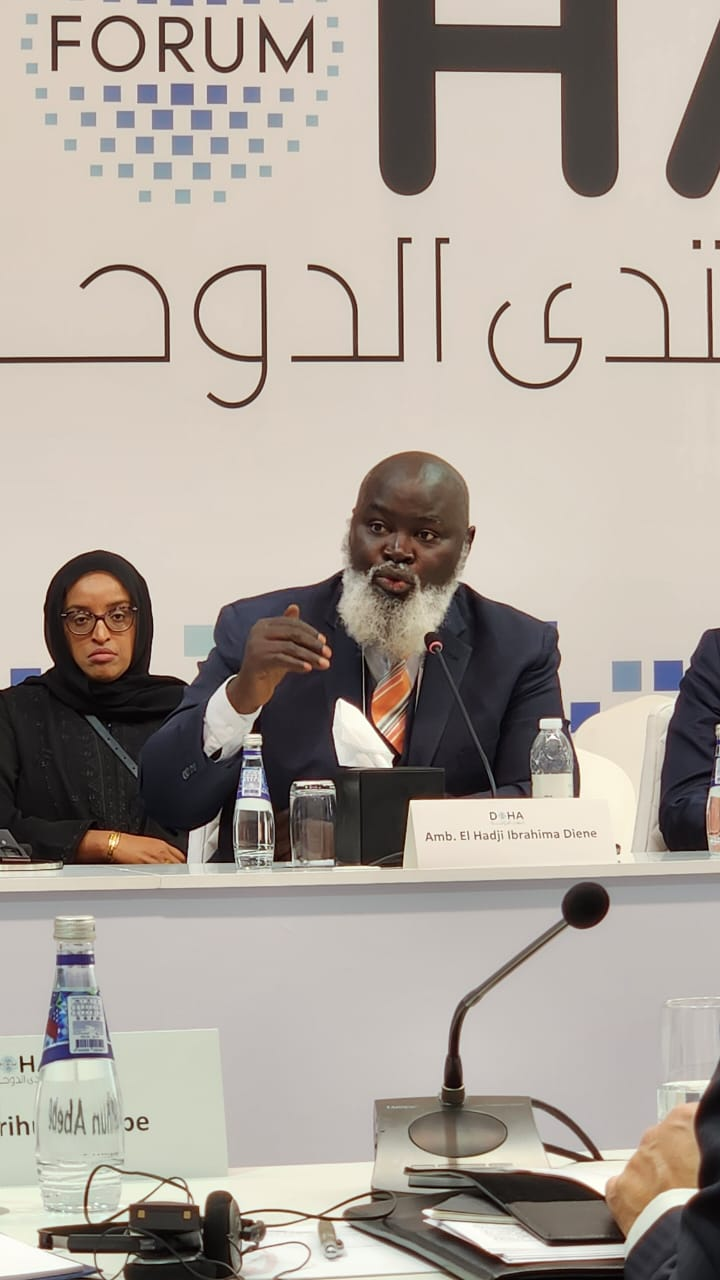
AUSSOM, represented by Amb. El Hadji Ibrahima Diene, the Special Representative of the Chairperson of the African Union Commission (SRCC) and Head of Mission, said the meeting builds on recent high-level engagements between Somalia and Qatar, during which both nations reaffirmed their commitment to strengthening cooperation in security, development, and governance reforms.
“The meeting underscores the urgent need for coordinated international support as Somalia seeks sustained, predictable assistance to stabilize liberated areas, support Somali Security Forces, and reinforce long-term peace and development,” AUSSOM said.
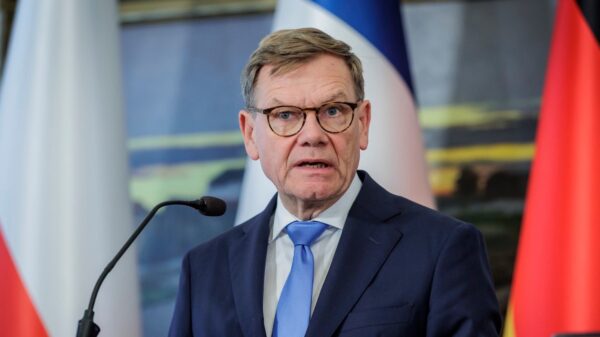
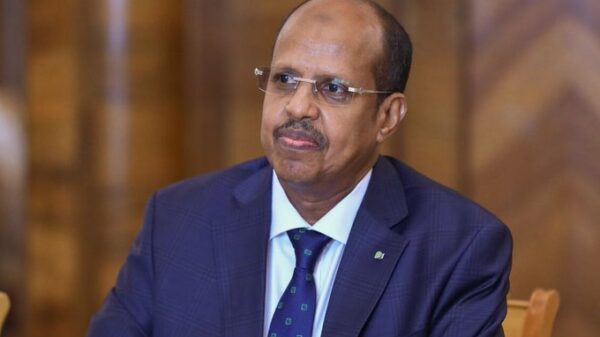
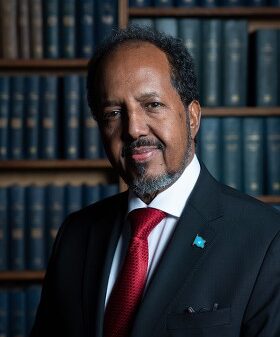
Amb. Diene joined a high-profile panel including Somalia’s President Hassan Sheikh Mohamud, Foreign Affairs Minister Ali Omar Balcad, EU Special Representative for the Horn of Africa Amb. Annette Weber, and Egypt’s Foreign Minister Badr Abdelatty.
In his remarks, Amb. Diene stressed that the new AU-led mission must consolidate Somalia’s gains rather than disrupt them, calling for predictable, sustainable, and well-coordinated international support aligned with Somalia’s national frameworks.
He also highlighted essential enabling capabilities needed for mission success — including aviation assets, medical evacuation support, counter-IED expertise, engineering units, and intelligence, surveillance, and reconnaissance (ISR). These tools, he said, are crucial for reinforcing Somali-led operations and stabilizing newly liberated territories.
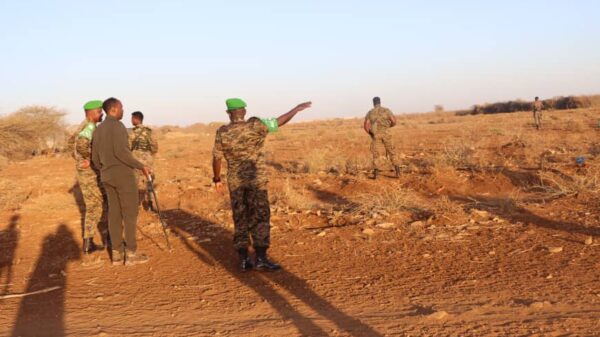
AUSSOM, which replaced the African Union Transition Mission in Somalia (ATMIS) on January 1, 2025, is a multidimensional peace support operation endorsed by the AU Peace and Security Council and authorized by the UN Security Council (UNSC) under Resolution 2767.
Its initial 12-month mandate focuses on stabilization, security, and state-building, with a clear objective: to transfer full security responsibility to Somali forces by December 2029.
Following a phased approach, AUSSOM is designed to be more agile and mobile, supporting intensified Somali-led operations against Al-Shabaab and ISIL/Daesh-linked groups.
The mission aligns with the Somalia Security Development Plan (SSDP) and the National Security Architecture (NSA), ensuring coherence in Somalia’s long-term security roadmap.
The UNSC has authorized the deployment of 11,826 uniformed AU personnel, including 680 police officers, until December 31, 2025, with a planned drawdown of 800 by year-end.
The Doha discussions come amid increasing debate over the sustainability of AUSSOM’s funding.
In June, the United States urged European and African partners to take on a greater share of the mission’s financial burden.
US Senate Foreign Relations Committee Chair Jim Risch stated that Washington remains committed to supporting AUSSOM but criticized current funding arrangements under UNSC Resolution 2719.
“The US hasn’t refused to support the AU mission in Somalia — we’re just insisting that Europe and Africa pull their weight,” Senator Risch said, arguing that the existing system places an unfair burden on American taxpayers.
Risch, alongside Senators Ted Cruz and Rick Scott, has introduced the AUSSOM Funding Restriction Act of 2025, which seeks to enhance transparency, accountability, and equitable burden-sharing.
The bill aims to halt US financial contributions under the current model until the UN and AU demonstrate responsible management of existing funds.
Senator Cruz called for urgent Senate action, cautioning against spending U.S. resources “in ways that don’t advance America’s national security interests,” while Senator Scott accused some partners of shirking financial responsibility.
The discussions in Doha highlight the pressing need for coordinated international backing as Somalia works to stabilize liberated areas, strengthen security forces, and build resilient institutions.
Amb. Diene reiterated that AUSSOM’s success will depend on sustained political commitment, predictable funding, and unified action from international partners.
“Somalia’s gains must not be interrupted,” he said, urging deeper cooperation and alignment with Somali-led frameworks.
The Doha Forum session marks one of the most consequential diplomatic engagements on Somalia since AUSSOM became operational, underscoring both the stakes and the shared responsibility in securing Somalia’s path toward peace, stability, and self-reliance.