













Health and safety are intertwined — one sustains the other. A healthy nation cannot flourish without safety and safety cannot thrive without health. The success of our Health of a Nation theme in October underscored a vital truth: when the public is informed, it becomes empowered; when institutions are held accountable, systems improve.
That is the same spirit guiding this month’s theme: Safety of a Nation. Through our radio shows, news bulletins, online features and digital storytelling, we are shining a spotlight on the institutions, innovations, and individuals safeguarding Kenya’s future.
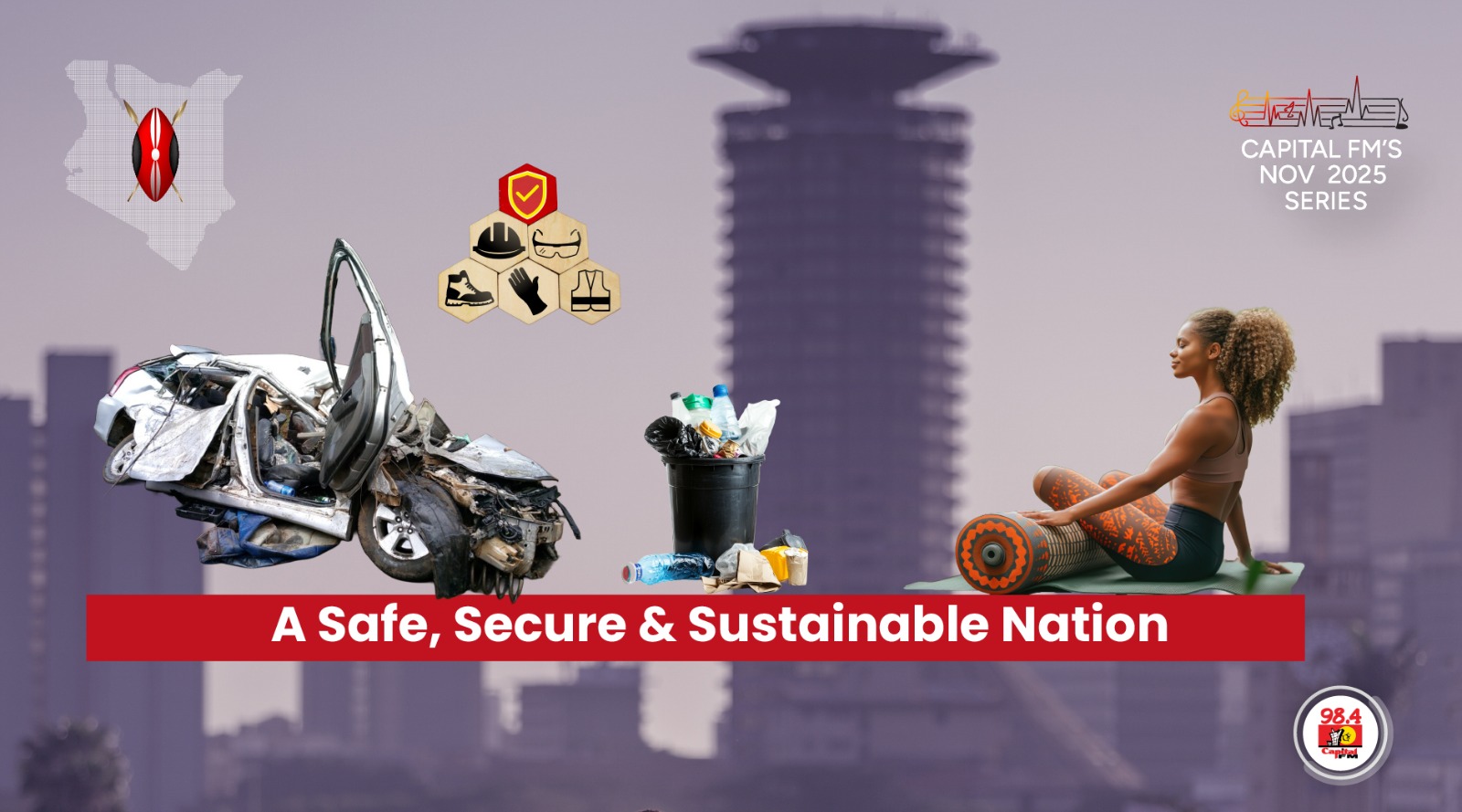
This month, our editorial focus is organised around four key pillars: Environmental Health and Climate Resilience; Youth, Sports and Wellness; Digital and Financial Safety Nets; and Road, Workplace and Community Safety. Each of these represents a critical arena where Kenya’s safety and its sustainability are being tested and strengthened.
Week 1: Environmental Health & Climate Resilience
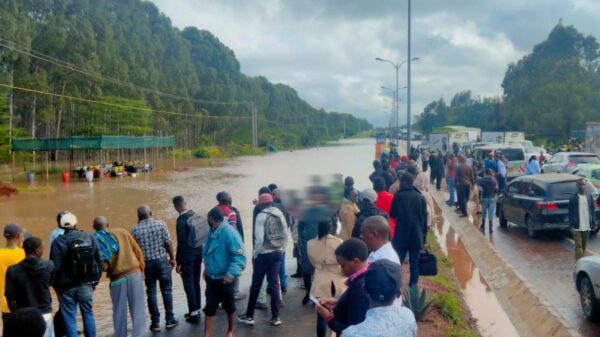
We began November by highlighting the link between environmental security and human survival. Kenya continues to experience severe droughts, floods, and pollution, all of which endanger health, displace communities, and strain public resources.
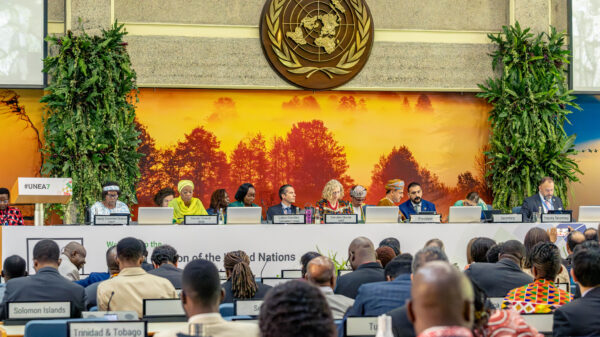
Our coverage has examined the work being done by agencies such as UNEP, NEMA, and county governments to restore ecosystems, manage waste, and safeguard water sources. These are not just environmental stories, they are safety stories. A nation that fails to protect its natural systems cannot guarantee its people safety or prosperity. Environmental resilience is national security in its purest form.
Week 2: Youth, Sports & Wellness
This week, our spotlight turns to Kenya’s youth — a generation of ambition, innovation, and energy. Yet, many young people today face growing mental health pressures, substance abuse, and limited safe spaces for recreation.
Our Safety of a Nation conversations are drawing attention to how sports, mentorship, and wellness programmes are being used to promote discipline, teamwork, and peace-building. We are highlighting what ministries, federations, and community initiatives are doing to keep young people engaged and productive. When youth thrive, nations stabilise. When they are neglected, societies fracture.
Week 3: Digital & Financial Safety Nets
Next week, attention shifts to the virtual frontier — the digital ecosystem that has become central to Kenya’s economy and daily life. With financial transactions, data, and communication moving online, new threats are emerging: cybercrime, misinformation, scams, and identity theft.
Capital FM is spotlighting the measures institutions such as telcos, commercial banks, SACCOs, and insurers are taking to safeguard users, promote digital literacy, and expand financial protection. But awareness remains the first line of defence. As our lives become more connected, protecting data, finances, and online dignity is as essential as locking our doors used to be.
Week 4: Road, Workplace & Community Safety
The month will close with a focus on Road, Workplace, and Community Safety — where preventable tragedies continue to cost lives and livelihoods. Kenya loses thousands of people annually to road accidents, many of which are avoidable. Unsafe construction sites and rising gender-based violence also remain urgent public concerns.
Through our news reports and discussions, we are examining how institutions such as NTSA, KEPSA, and UN Women are responding and where greater accountability is needed. But beyond policies and programmes, our goal is to remind citizens that safety begins with personal responsibility: respect for traffic rules, ethical business practices, and protection of the vulnerable.
Media as a Driver of Public Awareness and Policy
The success of Health of a Nation demonstrated that well-curated media campaigns can elevate national dialogue and shape public priorities. With Safety of a Nation this month, Capital FM is advancing that mission by not only informing but also contextualising — connecting everyday experiences to broader policy questions.
Through rigorous journalism and inclusive storytelling, we are holding a mirror to the systems designed to protect citizens — and challenging both state and society to do better. We are highlighting progress where it exists and calling for reform where gaps persist.
Safety, after all, is not just a public value; it is a policy imperative. A country that prioritises safety invests in its future — through stronger institutions, cleaner environments, healthier workplaces, and empowered citizens.
Towards a Culture of Responsibility
Building a safe, secure, and sustainable nation requires more than enforcement; it requires culture change. It means embedding safety into education, urban planning, business practices, and governance. It means valuing prevention over reaction and collective responsibility over complacency.
Capital FM’s Safety of a Nation campaign stands firmly within that vision, not as an observer, but as a participant in Kenya’s journey toward resilience. Our goal is to drive conversations that translate into awareness, awareness that leads to action, and action that ultimately informs policy for public good.
A safe nation is not defined by its defences, but by the confidence of its citizens. When every Kenyan can walk freely, work safely, bank securely, and breathe clean air, then we will have achieved not only safety but progress.
That is the nation we envision. That is the story we are committed to telling. And that is the policy change we seek to influence — one broadcast, one conversation, and one citizen at a time.