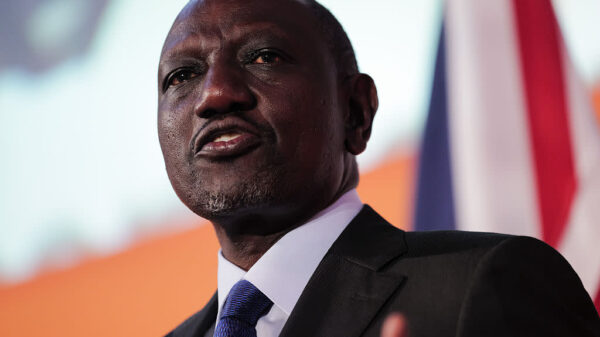





When William Ruto rode to power in 2022, he promised a new dawn for the “hustlers” who had long felt neglected by successive governments. Three years on, his record is a mixed bag: bold achievements overshadowed by stubborn failures that threaten to define his presidency in ways he did not intend.
On the positive side, macroeconomic stabilisation has been no small feat. Inflation, which once threatened household stability, has been tamed, and foreign reserves have nearly doubled, reassuring jittery markets and creditors. His “bottom-up” agenda — however contested — has reshaped the vocabulary of public policy, mainstreaming MSMEs, technical training and affordable housing into the national conversation. Visible projects such as ongoing housing developments, fertiliser subsidies and teacher recruitment have given his government tangible deliverables that could outlast his tenure.
Yet the shadows loom larger. Kenya’s public debt now exceeds Sh12 trillion, heavily tilted towards domestic borrowing. This has created a dangerous crowding-out effect: banks, enticed by high-yield government securities, shy away from lending to MSMEs and SMEs. Small businesses are starved of credit, jobs lost and growth stunted, compounded by pending bills that make doing business with government — especially county governments — anathema. This undermines the very “hustlers” who were supposed to be the cornerstone of his economic revolution. The Hustler Fund itself, once touted as the great equaliser, has flattered only to deceive — dogged by defaults, poor targeting and minimal impact on poverty alleviation. Politically useful but economically toothless, it risks becoming a symbol of unfulfilled promises.
History shows how quickly first-term legacies become electoral baggage. President Kibaki stumbled through a disputed 2007 re-election, and President Uhuru Kenyatta saw his 2017 victory annulled by the Supreme Court. Second terms are hard to win because the incumbent’s first-term record sets the terms of debate. Kibaki’s free primary education remains a landmark legacy, yet it did not spare him a bruising contest. Ruto’s first three years offer a sneak preview of what Kenyans will weigh in 2027. Unlike his predecessors, he has perched himself on a pedestal, setting lofty expectations that now stand in stark contrast to delivery. The electorate — not the political class — may end up constructing the issues that will decide the next election.
In its first three years, this administration has presided over a mutilated payslip, a new health funding model that seems to work or fail depending on political connections, and a disruptive new education financing system that leaves households confused and graduates more indebted than ever. It has promised homes at affordable rates but funded them through a housing levy many hope will sunset before 2026. Meanwhile, signature reforms such as SHA/SHIF and the eCitizen payment platforms have been mired in allegations of grand corruption. Despite pledges to end extrajudicial killings and abductions, the regime is increasingly remembered for bizarre deaths and disappearances — including those of Gen Z protesters like Albert Ojwang — that have galvanised a woke generation determined to hold it to account.
The cumulative cost of living and repeated raids on payslips mean that come 2027, it may not be about tribal arithmetic but about the household economies in every village. The “tribe” of Gen Z protesters, the “tribe” of salaried employees whose pay has been squeezed and the “tribe” of hustling Kenyans who have borne the brunt of tough economic times despite lofty campaign promises together constitute the true legacy of this regime. The promised economic revolution has turned into a long, hard road. History is rarely kind to leaders who promise transformation but deliver austerity and repression. Unless something extraordinary happens between now and 2027, the verdict may already be written: a presidency of lofty promises collapsing under the weight of broken pledges while flaunting a mirage.
Dr. Hesbon Owila is a Media and Political Communications Researcher.