

















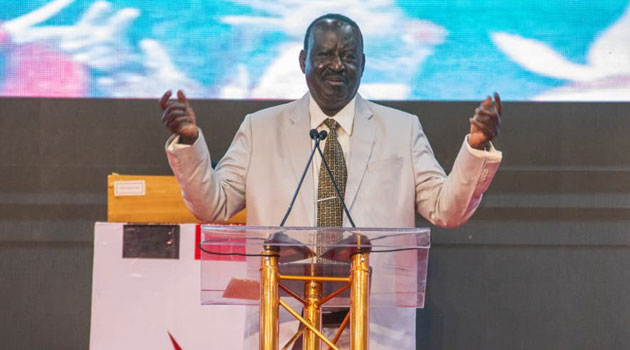

NAIROBI, Kenya Sep 6 – For decades, Raila Odinga was celebrated as the fearless opposition chief, the conscience of the nation, and the unyielding defender of democracy.
Today, critics say he has become something else entirely, “a shield for failed leaders and a master of political betrayal.”
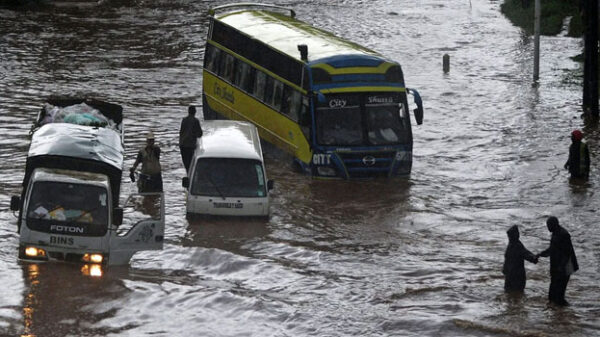
The latest political betrayal act by Raila surrounded the impeachment that almost was against Nairobi Governor Johnson Sakaja who faced more than 20 charges ranging from corruption, financial misconduct, water shortages, stalled projects, to collapsing service delivery.
Public anger was at boiling point, and Nairobi Members of County Assembly (MCAs) had the numbers to send Sakaja packing.
Then Raila stepped in.
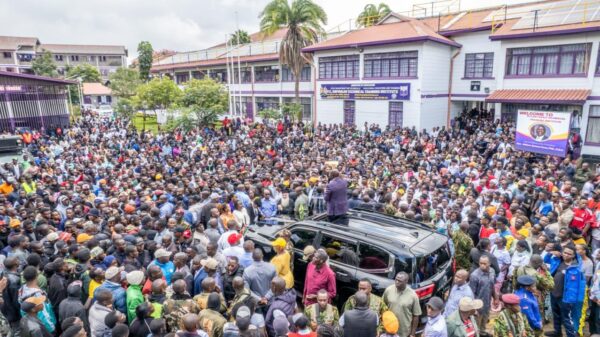
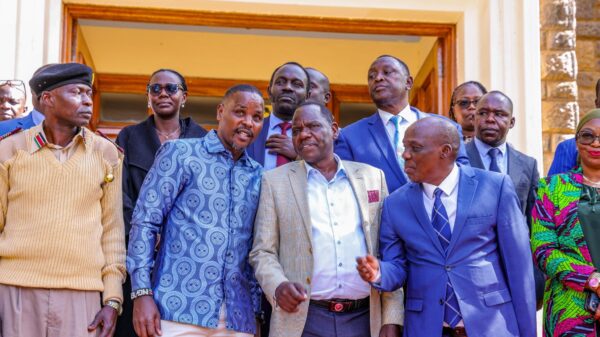
The ODM leader marshaled his party’s MCAs, whipped them into retreat, and pulled Sakaja back from the political cliff.
Some ODM MCAs resisted but were eventually subdued, abandoning a process many Nairobians believed was their only chance at accountability.
The move stunned even Raila’s allies.
Less than a month earlier, at the Devolution Conference in Homa Bay, he had called on MCAs to fearlessly hold governors to account, insisting oversight should happen in counties, not in Nairobi’s Senate chambers.
“I believe in a balance of power between Nairobi and the counties; none should stand in the way of the other,” Raila said adding that “county governments are supposed to be overseen by county assemblies, not the Senate. It is unnecessary for the Senate to be summoning Governors to appear before senators in Nairobi.”
Now, the same man who preached accountability was shielding a Governor accused of betraying his people.
– Raila’s pattern of betrayal –
This is not the first time Raila’s decisions have been branded betrayal.
In 2018, after a highly contested election battle with former President Uhuru Kenyatta, Raila secretly struck the now-famous handshake deal, leaving his opposition partners in the dark.
His justification was “peace and national unity,” but many saw it as a personal deal at the expense of the struggle.
The script repeated itself in 2025.
Despite his bitter rivalry with President William Ruto in the 2022 elections, Raila agreed to work with him under a so-called broad-based government.
The Azimio coalition was left fractured, with some allies accusing him of surrendering opposition duty to secure political relevance.
Worse still, during the Gen Z–led protests in 2024 against the punitive Finance Bill, young Kenyans told him bluntly: “Baba kaa nyumbani” (stay home).
They accused him of betraying their cause by joining forces with a government they saw as oppressive.
For his supporters, Raila’s actions are always about “preserving peace and stability of the nation.”
They argue that he is a statesman who sacrifices popularity for the greater good.
But for his critics, Raila has become the very thing he once fought, a deal-maker who trades principle for power.
Saving Sakaja, they say, is the clearest evidence yet that Raila has crossed from the defender of the oppressed to the protector of the disgraced.
In the eyes of many Nairobians, he did not just save a Governor, he betrayed a city already suffocating under poor leadership.
Raila’s legacy now hangs in the balance.
The man who once gave his life to democracy and opposition politics is seen by critics as having abandoned his principles, while his defenders insist he is still the master strategist playing the long game.
Either way, according to critics, the Raila of 2025 is a different politician from the man Kenyans once trusted to fight for them.