




















NAIROBI, Kenya, April 12 – The United Nations Children’s Fund (UNICEF) called for more engagement by all players beyond the COVID-19 pandemic to fully combat the disease and the challenges that came with it.
Maniza Zaman, Representative, UNICEF Kenya, says there is need for Health Promotions during and beyond COVID-19, in working with communities and the use of a mobile phone-based youth engagement platform called YUNITOK.
He said that before COVID-19 vaccines became widely available, changing people’s behavior, and persuading them to follow public health measures, was the most powerful way to stop the spread of the virus.
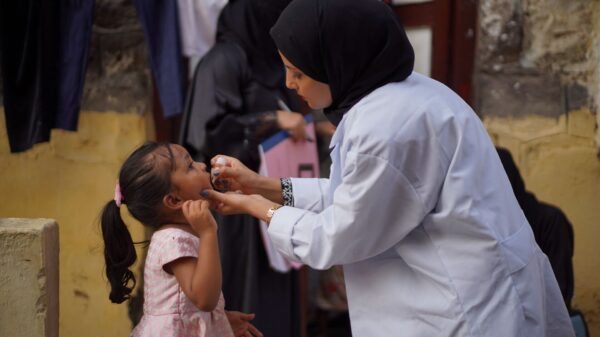
“And now that we have COVID-19 vaccines available, health promotion again has a vital role to play in combating myths and misinformation, overcoming vaccine hesitancy, and promoting uptake,” she said.
Speaking at a Health Promotion Conference in Nairobi, Zaman noted that across Kenya, local communities play a key role in preventing and controlling disease outbreaks, including COVID-19, explaining the barriers and take action to increase demand for health services.
“Health promotion nurtures community trust by bringing accurate scientific information to communities, in a culturally appropriate manner and in a language that they can understand. At the same time, the health system needs to be able to meet people’ essential health needs, in an accessible manner, with quality and equitably,” she stated.
Daniel Akothee, a community health volunteer in Kisumu, was trained by UNICEF and given information on how to counter the prevailing myths. Armed with this knowledge, he had been going door-to-door through the community, seeking to change minds and behaviors.
“I talk to households about what they could do. I challenge the myths and misconceptions. For example, boda boda drivers had been telling people that if you get the COVID-19 vaccine, you cannot get pregnant. I told people that this is not true – the Government would not approve a vaccine that can harm you like that. I wipe out the myths one by one each day,” he narrated.
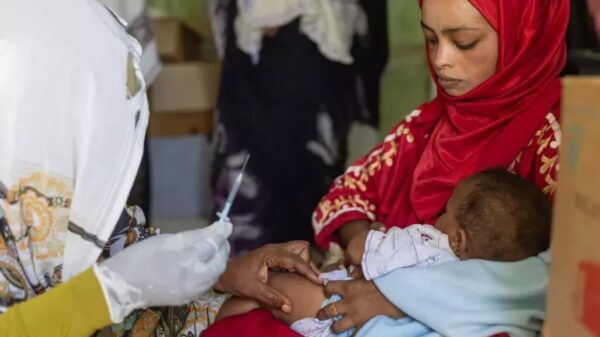
UNICEF further highlighted that despite successful vaccination exercises, there has been a slow-down in the uptake of COVID-19 vaccines.
“The risk perception has gone down. So with the collective experience and knowledge of experts and practitioners in this field we need to keep reminding the public that we are not yet out of the woods, and that we all have a responsibility to get vaccinated – not just for ourselves, but also to protect vulnerable family and community members,” Zanam stated.
The UNICEF Kenya representative also encouraged the conference to take a wide view of health promotion and explore multiple themes such as sexual and reproductive health and HIV; maternal, newborn, child health; reaching people living with disabilities; promoting healthy lifestyles; mobile health and the role of devolution.
“This is not just good for the individual – it is good for the society, economy and development of the country. We look forward to the increased prioritization of and investment in health promotion.”
With Covid-19 having set back most of the gains made in the health sector, Zaman noted that there are eight years left till 2030, the year the world has aspired to reach the Sustainable Development Goals.
“The United Nations in Kenya and our partners will continue to support the Ministry of Health, both nationally and at county level, to achieve Kenya’s vision for the health of her population and also ambitiously pursue the SDGs. Collectively, through collaboration and partnerships.”