











NAIROBI, Kenya, May 20 — Kenya has called for stronger international cooperation, enhanced intelligence sharing, and sustained global partnerships in the fight against terrorism financing, amid rising security and financial risks worldwide.
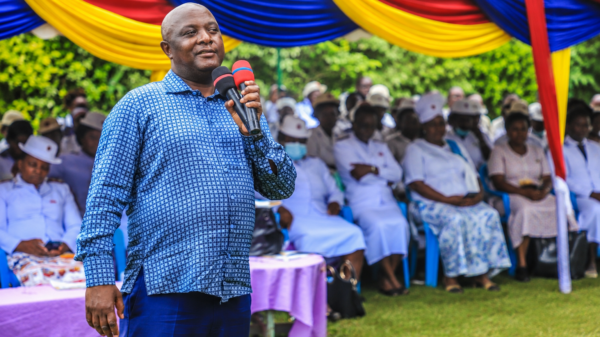
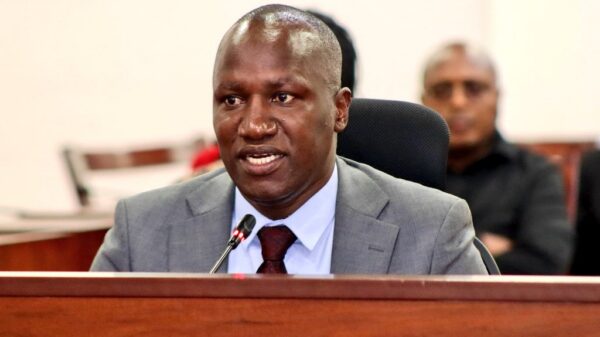
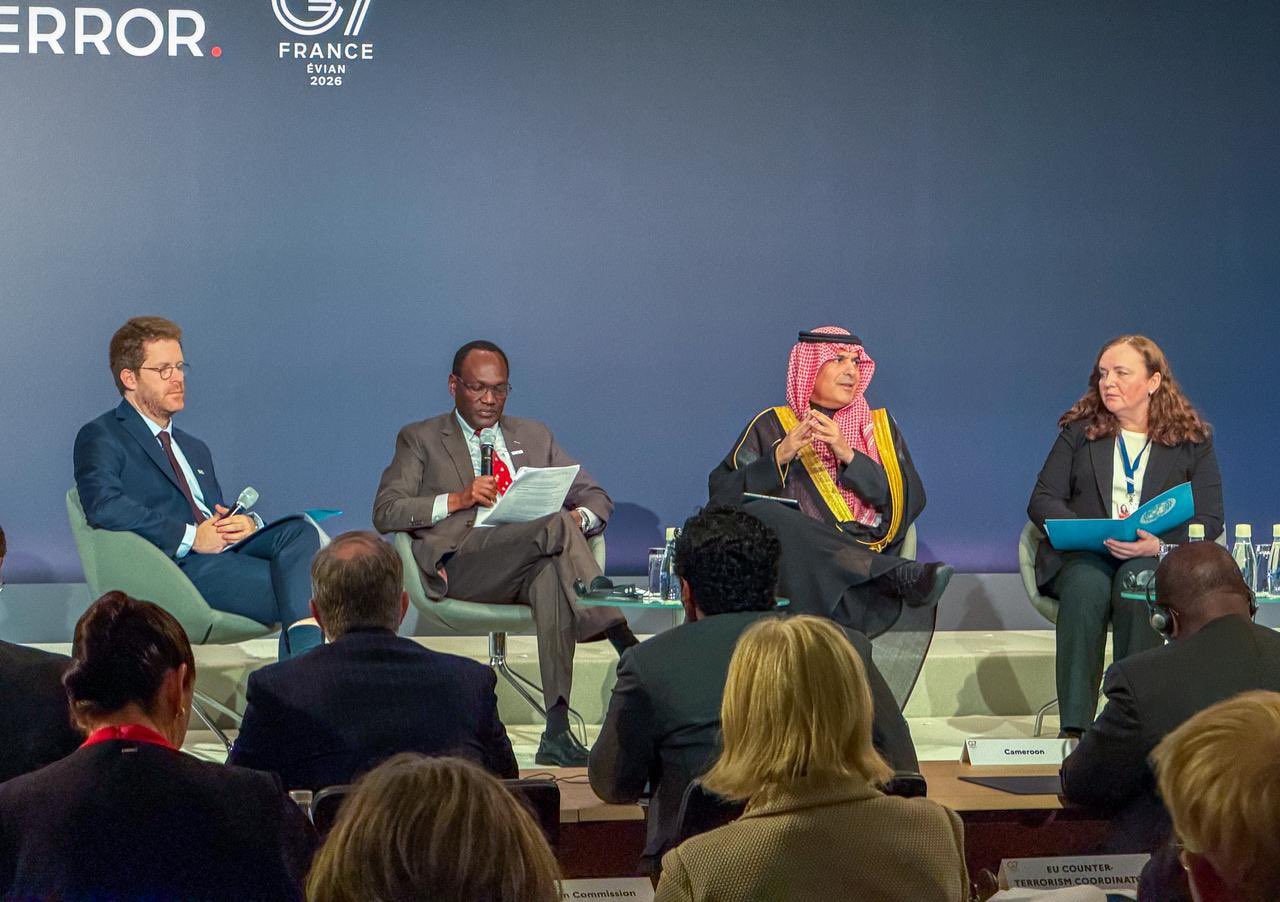
Speaking during the 5th No Money for Terror Conference in Paris, France, Treasury Principal Secretary Chris Kiptoo said terrorism financing remains a persistent global threat that requires coordinated international action and long-term commitment from governments, financial institutions, and development partners.
“Terrorism financing remains a global threat that requires coordinated international action and long-term commitment, stronger partnerships, and enhanced intelligence sharing,” Kiptoo said during a panel discussion focused on disrupting financial strategies used by terrorist groups operating across and beyond territorial control.
Kiptoo noted that Kenya has made significant progress in strengthening its Anti-Money Laundering and Counter Financing of Terrorism (AML/CFT) framework through a series of legal, regulatory, and institutional reforms designed to address emerging threats, including those driven by evolving technologies.
He said the reforms aim to align Kenya’s financial integrity systems with international standards while enhancing the country’s capacity to counter increasingly sophisticated illicit financing networks used by terrorist organisations.
The Treasury PS also highlighted Kenya’s participation in broader global economic discussions held on the sidelines of the conference.
Together with Central Bank of Kenya Governor Kamau Thugge, Kiptoo attended the G7 Finance Ministers and Central Bank Governors’ Meeting in Paris, where Kenya was invited alongside India, Brazil, and South Korea to contribute to discussions on emerging global economic and financial challenges.
During the meeting, Kenya underscored the need for stronger global cooperation to address mounting economic pressures linked to geopolitical tensions, including developments around the Strait of Hormuz, which officials warned continue to disrupt supply chains, push up energy prices, strain trade corridors, and threaten financial stability, particularly in developing economies.
Kenya also used the forum to push for reforms aimed at creating a more inclusive and balanced global financial architecture capable of supporting equitable access to affordable financing and boosting investment and industrialisation in developing countries.
According to Kiptoo, Kenya urged G7 members to support initiatives that strengthen resilient supply chains while responding more effectively to the development priorities and economic realities facing African nations.
French President Emmanuel Macron, who closed the conference, reaffirmed France’s commitment under its G7 Presidency to intensify efforts toward achieving concrete outcomes in addressing global economic and financial challenges.