






NAIROBI,Kenya Apr 15-A fresh storm has erupted over Kenya’s fuel supply crisis after Oryx Energies Kenya Ltd revealed that a multi-million shilling emergency fuel deal was abruptly cancelled by the government while shipments were already en route.
Appearing before the Senate Standing Committee on Energy, Managing Director Angeline Maangi disclosed that the firm had moved to secure fuel supplies under an urgent government request, only for the Ministry of Energy and Petroleum to pull the plug at the last minute.
“The Company acted at the Government’s request, under extreme market conditions, and with the sole purpose of supporting Kenya’s energy security,” Maangi told the committee.
Documents tabled before senators show that the State Department for Petroleum issued a direct request for proposal to Oryx on March 19, seeking additional Premium Motor Spirit (PMS) amid supply fears linked to the Middle East conflict.
“The invitation was communicated directly to the Company’s Managing Director from the official email account of the Principal Secretary,” the firm said.
Oryx submitted its proposal within just two hours, confirming its capacity to supply the product.
“We submitted the quotation within the required timeline and confirmed our readiness to perform under the proposed terms,” Maangi said.
By March 25, the ministry had approved the supply of 60,000 metric tonnes of fuel, with a further 36,000 metric tonnes greenlit two days later to shore up national reserves.
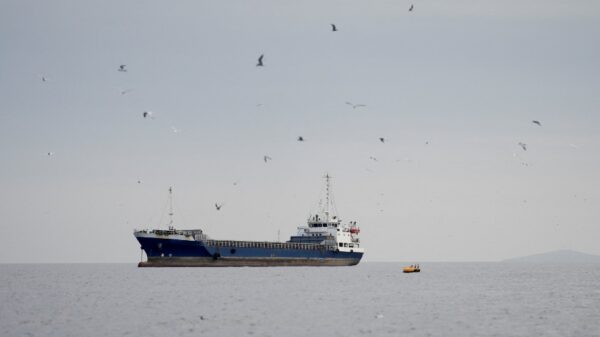
However, in what is now at the centre of the Senate probe, the government cancelled the deal on March 31 despite shipments already being in transit.
“The shipment was en route for delivery when the Ministry cancelled the offer .By that time, a binding contractual arrangement had already been established through formal correspondence,” Maangi said.
The company told senators it has since suffered losses amounting to $25 million (about Sh3.2 billion) and is pushing for the government to honour what it terms as a binding agreement.
“As of today, the company has lost USD 25 million in the failed deal,” she said.
The revelations triggered sharp exchanges in the committee, with senators questioning both the speed and structure of the controversial procurement.
Tana River Senator Danson Mungatana pressed the firm on its decision to commit to the deal within hours.
“Did you talk to your lawyers or consult widely before entering into a contract within two hours?” he posed.
“Would you be comfortable to jump into such an arrangement knowing the existence of government-to-government contracts with Gulf states?”
Kakamega Senator Boni Khalwale raised concerns over the financial implications of the aborted contract.
“The taxpayer wants to know the consequences of the failed contract and who pays you for the loss of money?” Khalwale asked.
TransNzoia Senator Allan Chesang Kisang questioned the broader economic impact, saying: “We need to know the cost of missing out on the importation of these petroleum products,”he noted.
Maangi defended the firm’s pricing, telling senators the quoted premium of $253.94 per metric tonne reflected severe global supply disruptions.
“This differential reflects prevailing market conditions characterised by acute product scarcity,” she said.
She cited disrupted shipping routes, reduced tanker availability and soaring insurance costs due to the Middle East crisis.
“Rerouting around the Cape of Good Hope added up to two weeks in transit time and materially increased logistics costs,” she added.
The company maintained it acted in good faith and in line with established communication channels.
“It is standard practice that the State Department of Petroleum communicates to oil marketers in this manner,” Maangi said.
She also underscored Oryx’s long-standing presence in the sector, noting: “In the 39 years that the company has been in operation, it has built a reputation and is a trusted player as an oil importer.”
But the firm warned that the cancellation could have far-reaching consequences on future emergency responses.
“A framework that invites participation but fails to honour resulting commitments risks eroding the private sector’s capacity to respond,” the company cautioned.