










NAIROBI, Kenya Feb 25 – The Kenya Association of Manufacturers (KAM) has called for significant structural changes to the proposed National Infrastructure Fund (NIF) Bill, 2026.
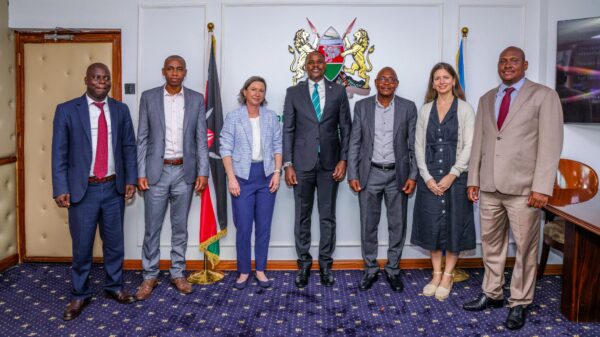
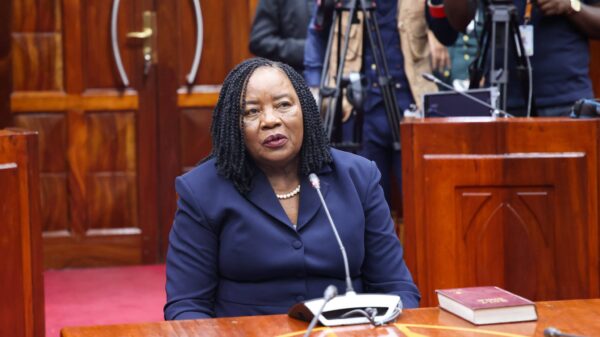
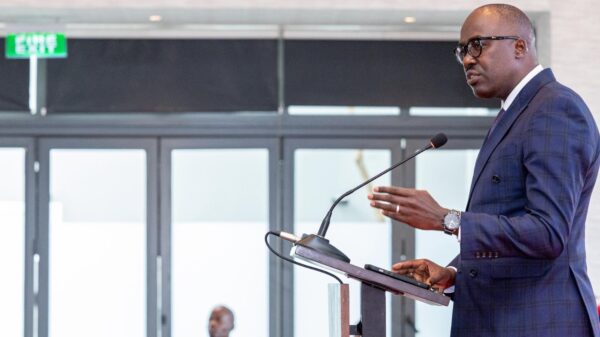
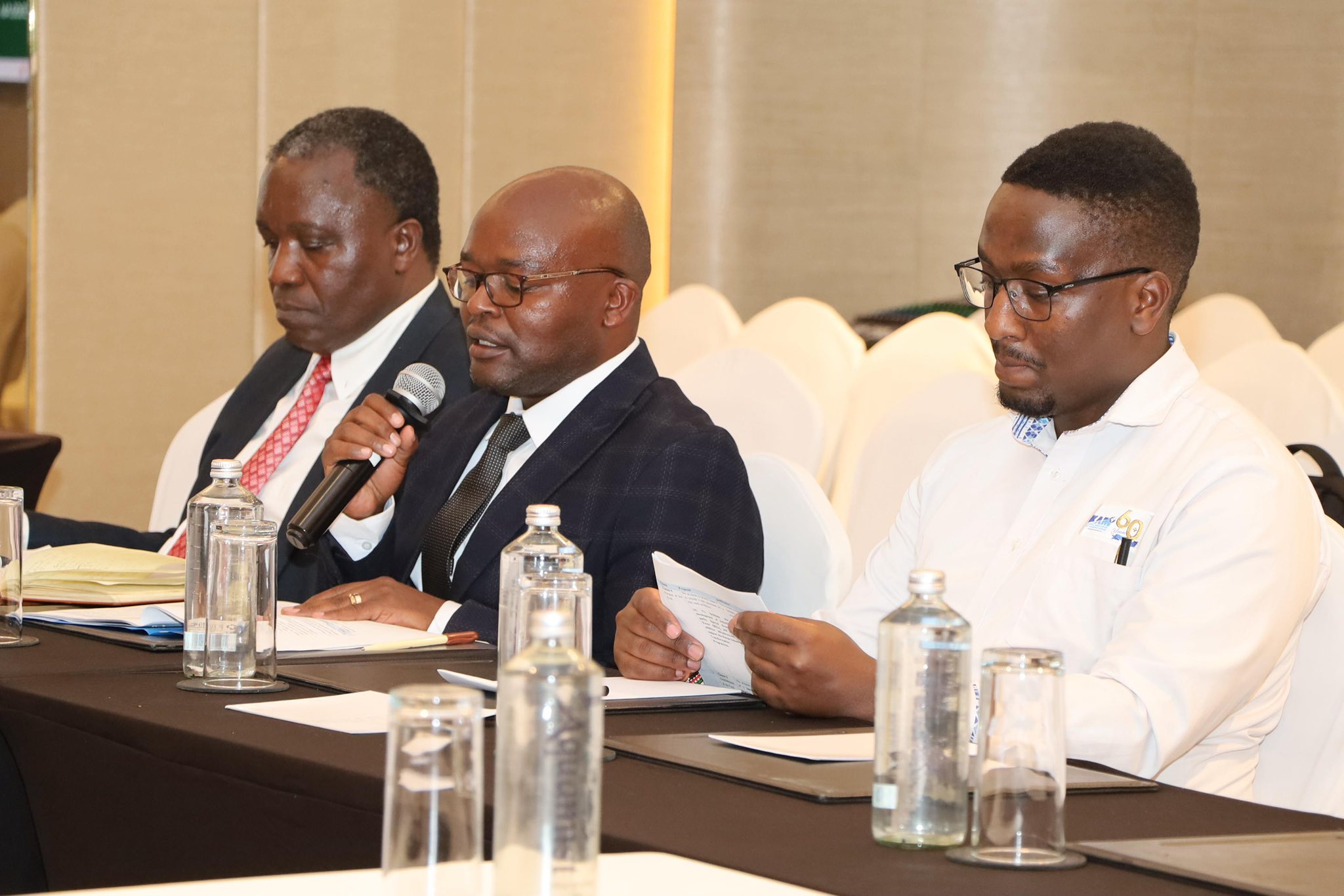
In his submissions made on behalf of KAM Chief Executive Tobias Alando, Simon Githuku argued that while the fund is a vital innovation to reduce reliance on public debt, it requires stricter oversight, private sector representation, and a legal mandate to support industrial growth.
In a bid to push for the closure of the competitiveness gap, KAM made a push for infrastructure reform. They argued that the push was fueled by a sobering reality that Kenya’s manufacturing contribution to GDP currently sits at 7.3 per cent, significantly lagging behind regional competitors like Egypt (13.89 per cent) and South Africa (12.79 per cent and global peers like Vietnam (24.43 per cent).
“A well-developed infrastructure will go a long way in realizing a competitive advantage for Kenyan industries,” the Association stated, noting that Kenya currently ranks 112th on the UNIDO Competitive Industrial Performance Index.
To ensure the Fund delivers on its promise of spurring the economy, KAM proposed several high-impact amendments.
The Association proposed that the Investment Policy require at least 40 per cent of construction materials for fund-supported projects be sourced from local manufacturers.
The association further recommended a two-tier governance structure whereby the Board of Trustees act as legal custodians of assets, separate from a Board of Directors responsible for technical investment decisions.
This they noted is intended to ring-fence money from being diverted to unrelated government expenses.
“This separation improves governance by preventing concentration of authority in a single body and reducing the risk of conflicts of interest, operational interference, or weak oversight”, they observed.
“A Board of Trustees will serve as the ultimate fiduciary body responsible for safeguarding the assets of the Fund and ensuring they are used strictly in accordance with the law and the Fund’s mandate,” KAM added.
With regard to board representation, KAM proposed a provision allowing for the private sector to get representation in the Board. The Bill currently lacks explicit representation for the private sector.
“Private sector is one of the key beneficiaries of the envisaged improved infrastructure and it is essential that they be explicitly provided for in the Board,” Githuku argued.
To maximize the impact on the Fund in the development of infrastructure , KAM proposed that administrative costs be capped at 0.5 per cent of the Fund. They also proposed a cap on the Fund’s equity share in projects to prevent crowding out cheaper commercial debt.
While emphasizing that the primary purpose of the Fund is to finance infrastructure projects that support national economic growth, enhance productivity, and improve public service delivery, the Association made a strong case for ring-fencing the Fund.
They posited that this move would ensure that all financial resources entrusted to the Fund are applied strictly towards achieving this mandate.
“We propose to ring-fence the Fund to prevent diversion to read as follows: ‘The assets and cash of the Fund are strictly ring-fenced and shall not be diverted, reallocated, or utilized for any expenditure falling outside the scope of infrastructure projects defined under this Act”, they submitted,
The Association also expressed concerns relating to the provisions of Clause 25, which proposes to allow the Cabinet Secretary to issue government support measures.
KAM called for the deletion of this provision, warning that binding financial undertakings could transform into contingent public debt that might not appear on the official debt register, thereby obscuring Kenya’s true fiscal exposure.
To ensure that the fund does not fall victim to mismanagement, KAM proposed harsh penalties for the misappropriation of funds, including a minimum fine of Ksh 10 million or at least five years in prison.