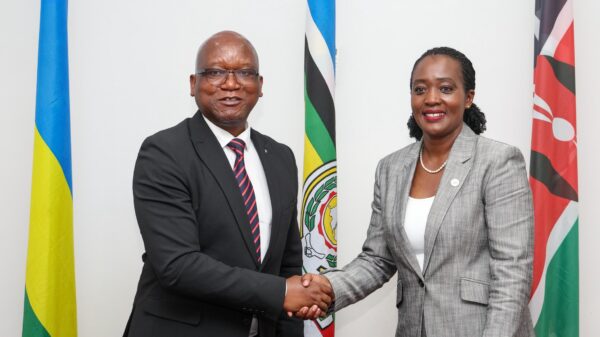


















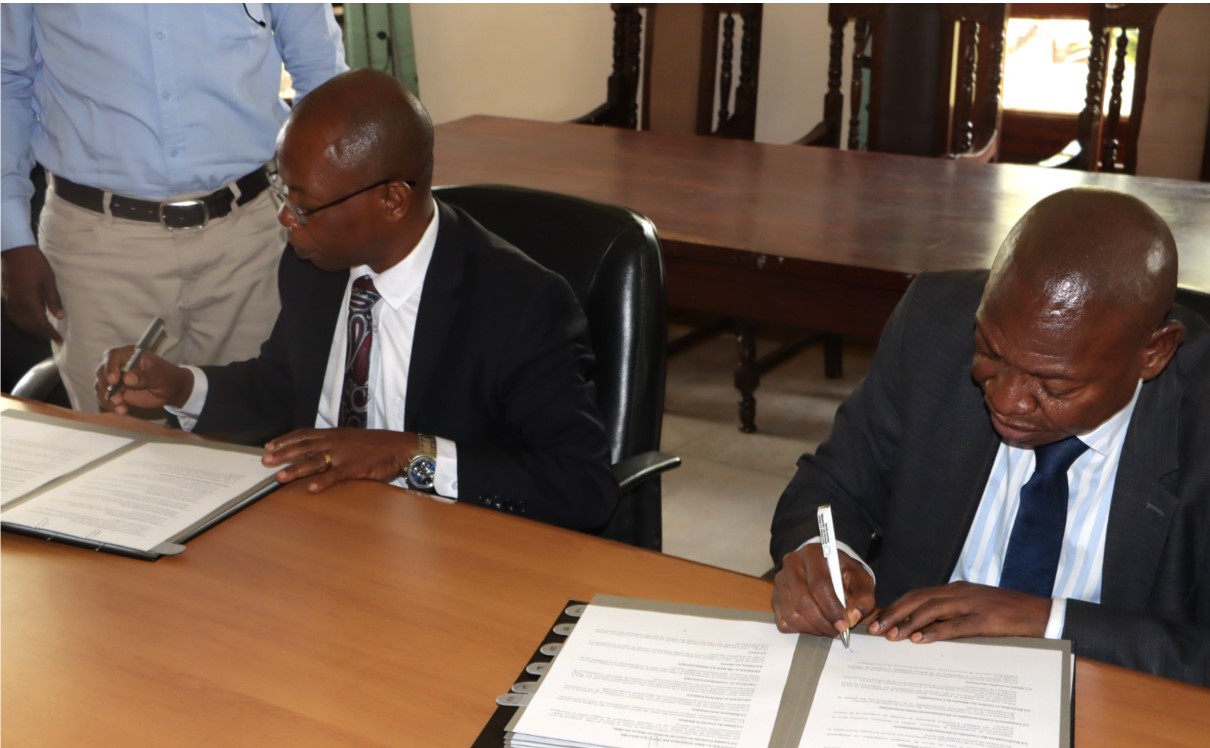

KIGOMA, Tanzania, Feb 21 — The Lake Victoria Basin Commission (LVBC) and the Lake Tanganyika Authority (LTA) have signed a five-year Memorandum of Cooperation aimed at strengthening joint efforts in the sustainable management of shared water resources and environmental protection.
The agreement was formalized during a ceremony attended by officials from the two institutions and regional partners, signaling a commitment to enhanced collaboration in addressing environmental challenges affecting the Lake Victoria and Lake Tanganyika basins, which support millions of people across Eastern and Southern Africa.
The Memorandum provides a formal framework for cooperation in integrated water resources management, environmental protection and biodiversity conservation, climate change adaptation and mitigation, disaster risk reduction, maritime safety, and community development initiatives.
Under the agreement, LVBC and LTA will carry out joint water assessments, strengthen monitoring systems, and promote sustainable water-use policies.
They will also develop projects aimed at controlling pollution, managing invasive species, restoring degraded habitats, and protecting critical ecosystems within the two basins.
Speaking at the signing, Dr. Masinde Bwire, Executive Secretary of LVBC, said the pact reflects a strong commitment to regional cooperation.
“This Memorandum of Cooperation demonstrates our shared determination to safeguard freshwater ecosystems and ensure that they continue to support livelihoods and economic development,” he said.
Sylvain Tusanga Mukanga, Executive Director of LTA, noted that environmental challenges transcend national borders.
“Our lakes connect our countries, and only through coordinated action can we effectively address pollution, climate change impacts, and resource degradation,” he said.
The partnership places strong emphasis on climate change resilience, with plans for joint research, promotion of renewable energy initiatives, and support for sustainable land management practices in communities surrounding the lakes.
These measures aim to reduce vulnerability to floods, droughts, and other climate-related hazards.
Dr. Bwire emphasized that cooperation will directly benefit communities dependent on the lakes for fishing, agriculture, transport, and trade. “Sustainable management of these shared resources is not just about conservation; it is about improving livelihoods and securing economic opportunities for millions of people,” he said.
In addition to environmental management, the partnership will foster capacity building and knowledge sharing through joint training programs, workshops, and technical exchange visits to strengthen institutional capacity and enhance expertise in both basins.
Mukanga hailed the value of learning from shared experiences.
“This cooperation provides an opportunity for us to share expertise, align our strategies, and develop practical solutions that respond to the needs of our member states,” he said.
The Memorandum also establishes a Joint Implementation Committee, composed of representatives from both institutions, to oversee coordinated work plans, monitor progress, and evaluate the effectiveness of activities.
Mukanga said this structured approach ensures that commitments translate into tangible results.
“Through clear coordination and joint planning, we can deliver measurable outcomes that strengthen environmental protection and regional integration,” he said.
The Lake Victoria Basin Commission is a specialized institution of the East African Community mandated to coordinate sustainable development in the Lake Victoria Basin.
The Lake Tanganyika Authority was established by the governments of Burundi, the Democratic Republic of the Congo, Tanzania, and Zambia to ensure the sustainable management of Lake Tanganyika and its natural resources.