















NAIROBI, Kenya, Jan 17 — Uganda’s Electoral Commission (EC) is set to announce the final presidential election results at 3pm on Saturday.
The announcement comes amid allegations of widespread electoral malpractice, a nationwide internet shutdown, and a night raid on the home of opposition leader Robert Kyagulanyi Ssentamu, popularly known as Bobi Wine.
According to provisional figures released by the EC, incumbent President Yoweri Museveni is leading with 71.88 percent of the vote, equivalent to about 7.6 million votes, while Kyagulanyi trails with with 2.6 million (24.46 percent).
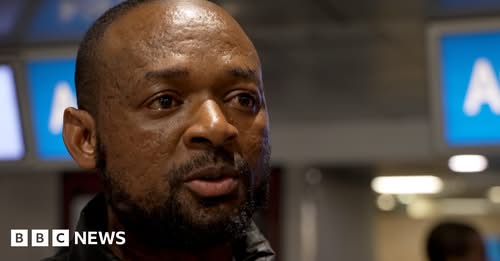
‘They are holding my Family’: Bobi Wine speaks after night raid
Bobi Wine accuses Museveni regime of ballot stuffing and arrests
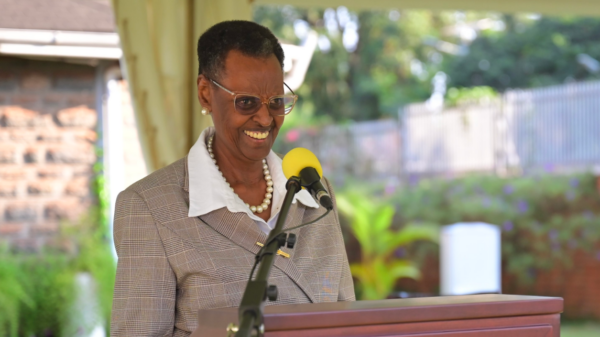
The figures are expected to be confirmed by EC chairperson Simon Byabakama during the official announcement.
However, Kyagulanyi and his National Unity Platform (NUP) have rejected the results outright, describing them as fraudulent and lacking legitimacy.
In a statement issued earlier on Saturday, Kyagulanyi said security forces raided his Magere home overnight, switching off electricity, disabling CCTV cameras, and deploying helicopters over the area.
House arrest
He said he managed to escape, but that his wife and other family members remain under house arrest.
“Last night was very difficult at our home in Magere. The military and police raided us… I managed to escape from them. Currently, I am not at home, although my wife and other family members remain under house arrest,” Kyagulanyi said, adding that security forces were actively searching for him.
He attributed confusion surrounding his whereabouts to the ongoing nationwide internet shutdown, which he said fueled speculation that his family had been abducted. Kyagulanyi reiterated his “complete rejection” of what he termed “fake results” being announced by the Electoral Commission.
“These results have zero backing,” he said, citing alleged ballot stuffing, a “military takeover” of the electoral process, the detention of opposition leaders and polling officials, and the targeting of NUP candidates even in constituencies where he claimed there was “100 per cent evidence” of opposition victories.
Killings and abuses
Kyagulanyi also condemned the killing of citizens who he said were peacefully protesting alleged electoral abuses, insisting that Ugandans have a constitutional right to demonstrate in defence of their sovereign will.
The election was conducted amid heavy security deployment and a nationwide suspension of internet access ordered ahead of polling day.
Authorities said the blackout was intended to curb misinformation and prevent violence, but opposition leaders and civil society groups argue it has restricted transparency and shielded alleged abuses from scrutiny.
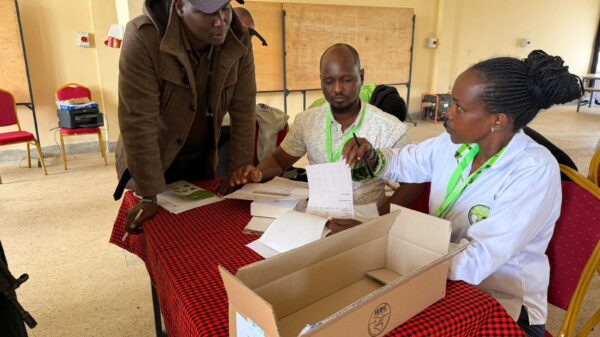
Voting on Thursday was further disrupted by technical challenges after biometric voter verification (BVVK) machines failed in several parts of the country, delaying the process by hours.
The Electoral Commission said it authorized the use of manual voter registers where the devices malfunctioned to avoid disenfranchising voters.
President Museveni, who is seeking a seventh term in office, also experienced problems with the biometric system at his polling station before he was eventually cleared to vote.
He later said he had ordered investigations into the failures and reiterated his confidence of a landslide victory if the process was free of fraud.
About 21.7 million registered voters across spread 50,739 polling stations went to pick among eight presidential candidates.
In addition to the presidency, voters also elected Members of Parliament and local government leaders.