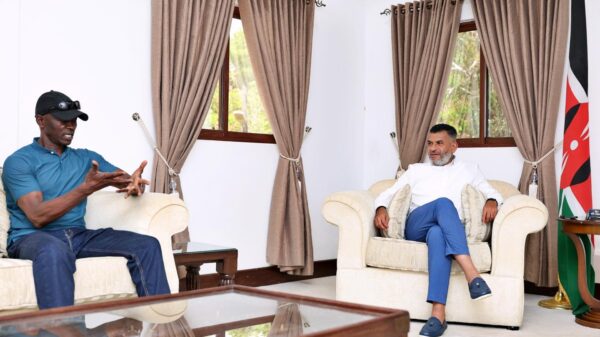

















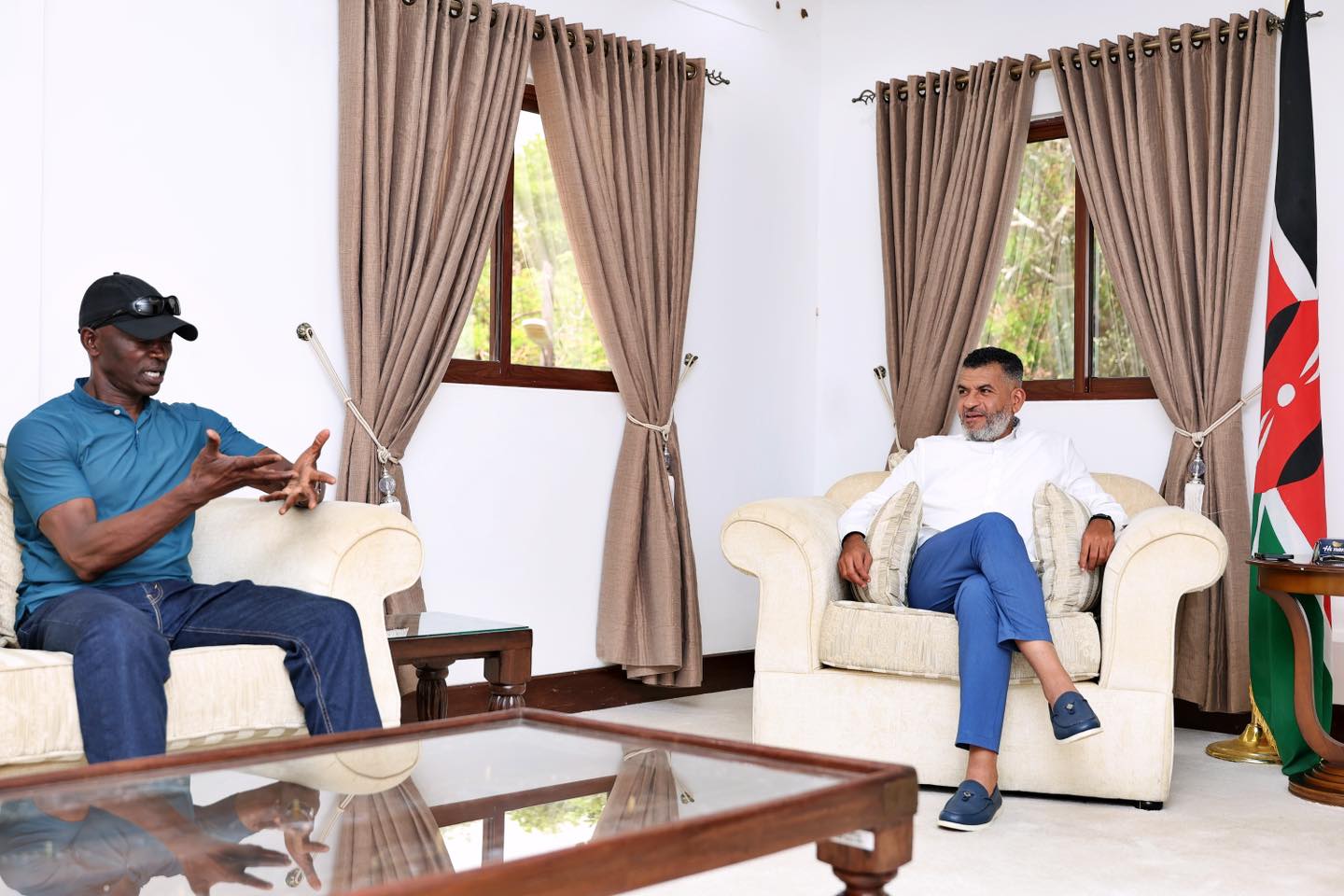

In politics, timing is often as important as intent. Mombasa Governor Abdulswamad Nassir appears to have understood this better than many of his peers when he moved swiftly to appoint Maurice Ogeta, the late Raila Odinga’s trusted bodyguard, as Advisor on Security Affairs.
In doing so, Nassir did more than offer employment to a loyal aide left politically exposed after Odinga’s death. He made a calculated political move that quietly outmanoeuvred every other ODM governor, and even the national government.
One would reasonably have expected that following Raila’s death in October 2025 while undergoing treatment in India, Ogeta would naturally be absorbed either by the national government or by one of the ODM-controlled county administrations in Nyanza. After all, ODM controls 13 county governments. Odinga was not just a former prime minister; he was the party’s founder, ideological anchor and political glue. Ogeta was not just a bodyguard; he was part of Odinga’s political ecosystem, a constant presence at rallies, meetings and major national moments.
Yet, for months, nothing happened.
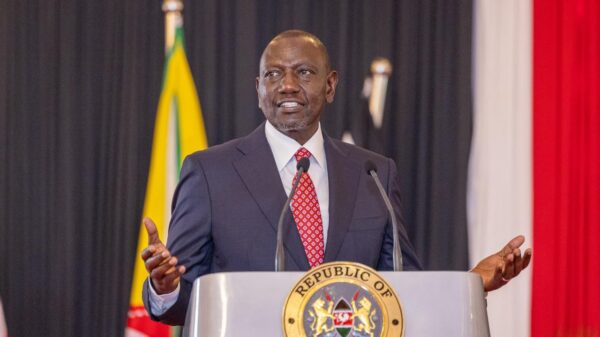
Despite Ogeta’s name featuring prominently in eulogies during Odinga’s funeral — including a direct mention by President William Ruto himself — no formal role materialised. The symbolism was there, the recognition was public, but the institutional follow-through was absent. In Kenya’s political culture, public praise without tangible inclusion is often little more than a passing gesture.
That vacuum is where Nassir stepped in.
By acting first, Nassir seized both the political and moral high ground. The appointment was not merely administrative; it was strategic. It signalled decisiveness, loyalty to the Odinga legacy, and an understanding of political symbolism that transcends county boundaries.
For an ODM party that has long revolved around Odinga’s stature, the move carries deeper meaning. Nassir is not just any governor; he is ODM’s deputy party leader, tasked with steering a movement founded by Raila Odinga into a new chapter. The party is still wrestling with how to honour its founder’s legacy while maintaining relevance in a shifting political landscape. By formally recognising one of Odinga’s most loyal aides, Nassir positioned himself as a custodian of that legacy — not just in speeches, but in action.
The quietness from the rest of ODM’s governors is striking. With 13 county administrations at their disposal, none moved with similar urgency. In Nyanza especially, Odinga’s political heartland, the hesitation raises uncomfortable questions about political reflexes, succession thinking, and the willingness to convert rhetoric into responsibility. One would have expected at least one county government from the lake region to step forward first, if only as a symbolic salute to the man they had defended for decades.
Equally telling is the absence of a national government role, despite the attention Ogeta received during the funeral period. If the head of state could single him out publicly, why did the system fail to offer a structured pathway afterwards? Perhaps politics moved on, as it always does. Or perhaps the state’s praise was never intended to translate into meaningful inclusion. Either way, Nassir understood that symbolism, if not anchored in action, fades quickly.
Critics may argue the appointment is politically convenient — a clever way to polish ODM credentials or consolidate influence. But sentiment and strategy have always lived together in politics. The question is not whether a move carries political value — most do — but whether it is smart, timely and defensible. Nassir’s is all three. Ogeta brings real security experience, and the appointment also speaks to a broader county agenda of strengthening governance and public safety.
The lesson for ODM is sharper. In a moment when the party risks appearing slow-footed after the loss of its founder, Nassir demonstrated what leadership looks like: recognising an opening created by history and moving before the moment passes. While others waited for consultations, signals, or comfort in numbers, he acted.
Nassir moved first. And in politics, that often makes all the difference.