





















NAIROBI, Kenya, Jan 7 — The Architectural Association of Kenya (AAK) has moved to defend the architects listed in the South C building collapse, saying preliminary information shows the project may have deviated from the original professional control framework during construction.
In a statement issued Wednesday under its Mulika Mjengo initiative, the association said the architect on record, Gideon Chege Mwangi, had indicated that the project adopted a developer-led coordination model with restricted site access, a decision AAK said fundamentally altered the architect’s ability to exercise full professional oversight.
AAK said the client also acted as both developer and contractor, a structure the association said creates inherent conflicts of interest and weakens independent professional control, especially in complex high-rise developments.
“The architect decided developer-led coordination, with restricted site access,” the association said, adding that such an arrangement “significantly compromises effective site supervision and independent professional oversight”.
The association said information provided to it shows that while the architect remained the designer of record, the execution phase did not follow the standard professional administration model in which consultants maintain continuous and unrestricted access to site.
AAK said this setup means investigators must distinguish between responsibility for design and responsibility for execution, supervision and compliance during construction.
The association also noted that the architect had disclosed changes in the consultant team during construction, including the involvement of a different structural engineer at a later stage, and said such changes further complicate the chain of responsibility and decision-making.
While stressing that all professionals remain accountable to their respective regulatory bodies, AAK said it would be premature to assign blame before the completion of investigations by the Board of Registration of Architects and Quantity Surveyors of Kenya (BORAQS), the Engineers Board of Kenya and other agencies.
“Possible lapses in supervision and documentation require board investigation,” the association said, adding that the outcome of those processes will determine individual professional responsibility.
AAK said it remains committed to upholding professional standards in architecture and protecting the integrity of due process, and warned against what it termed “trial by public opinion” before investigators establish the full facts.
The association affirmed it supports firm action where negligence is proven and reiterated its call for sanctions against any professional or developer found to have violated the law or professional standards.
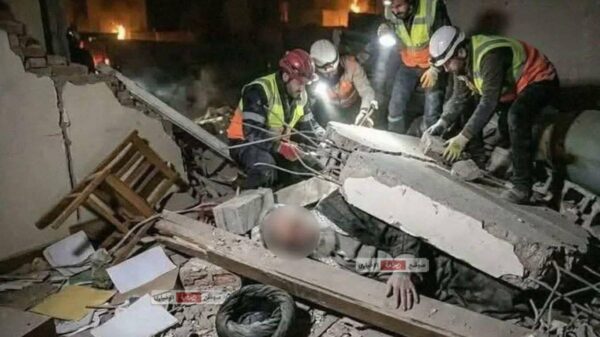
A multi-agency investigation involving the National Police Service, the National Construction Authority, the Engineers Board of Kenya, BORAQS, NEMA and Nairobi City County is continuing to establish the exact cause of the collapse and determine responsibility for both design and construction-stage decisions.