

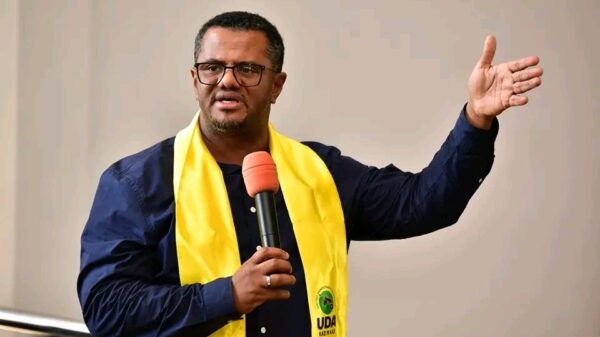










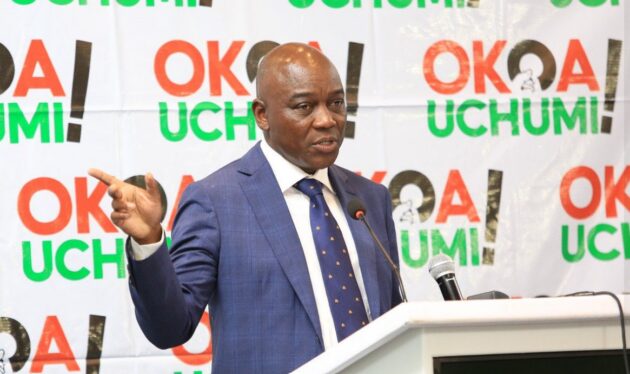

NAIROBI, Kenya — Suba South MP Caroli Omondi has raised alarm over what he has termed as persistent threats to the independence and effectiveness of Kenya’s accountability institutions, citing inadequate funding, weak implementation of recommendations and growing political interference.
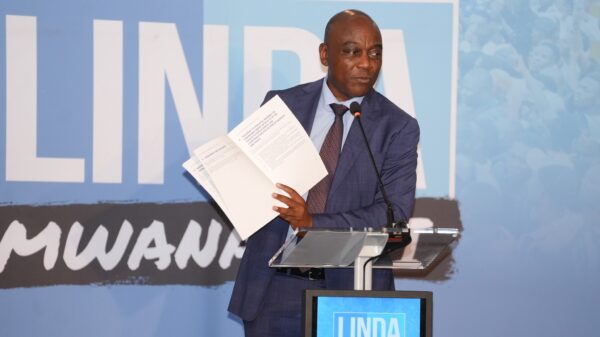
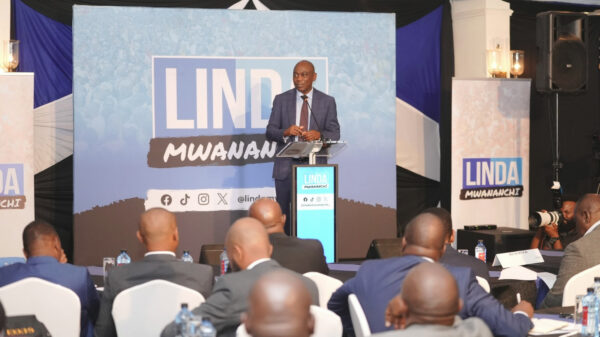
Omondi, who chairs the National Assembly’s Constitutional Implementation Oversight Committee (CIOC), spoke Monday during the release of the Okoa Uchumi report, a public audit initiative led by The Institute of Social Accountability (TISA), in Nairobi.
He warned that the country’s Chapter 15 institutions—ten constitutional commissions and two independent offices—were increasingly unable to fulfil their mandates due to structural and political constraints.
“I stand to speak not as a Member of Parliament for Suba South, but as the chair of the CIOC,” Omondi said.
“As a committee, we’ve noted about four issues that really affect the accountability institutions. Those are the Chapter 15 institutions.”
Omondi said constitutional commissions continue to suffer from chronic underfunding, despite Article 249(3) requiring Parliament to allocate adequate and independent budgets.
He criticised the practice of placing commissions under sector working groups, which he argued imposes ceilings that restrict their allocations.
“The lack of funding is actually affecting the ability to get sufficient and quality staff, but also limiting the activities,” he said.
The MP revealed he has tabled four reports in the past four months aimed at strengthening accountability and improving budget autonomy for the institutions.
Omondi noted that many reports and recommendations issued by oversight offices—such as the Auditor-General and Controller of Budget—are rarely acted upon.
Actionable reforms
He said, the CIOC tabled a report proposing mechanisms to ensure recommendations to Parliament translate into actionable reforms.
Omondi further warned of growing political infiltration in the recruitment of commissioners, arguing the trend undermines the independence and integrity of the bodies.
“What we have noticed is a lot of recycling of politicians into these commissions, and I think there’s a problem there,” he said.
“We are trying to change the law to make sure if I lose my seat, my first port of call is not a constitutional commission.”
He linked some of the appointments to partisan trade-offs linked to recent by-elections.
Omondi criticised recent cases where the Executive created parallel structures to perform roles already assigned to existing constitutional commissions.
“A good example is the body created for compensation of victims of post-election violence,” he said. “That is the work of an existing constitutional commission.”
The CIOC chair outlined proposed amendments to the Public Finance Management (PFM) Act aimed at ensuring equitable distribution of development resources.
He said the proposals would require the Treasury and Parliamentary Budget Office to break down development budgets to sub-county level, and ring-fence county revenue so that 30 per cent goes to recurrent expenditure and 70 per cent to coded development projects.
The aim, he said, is to curb budget diversion and the accumulation of pending bills.