











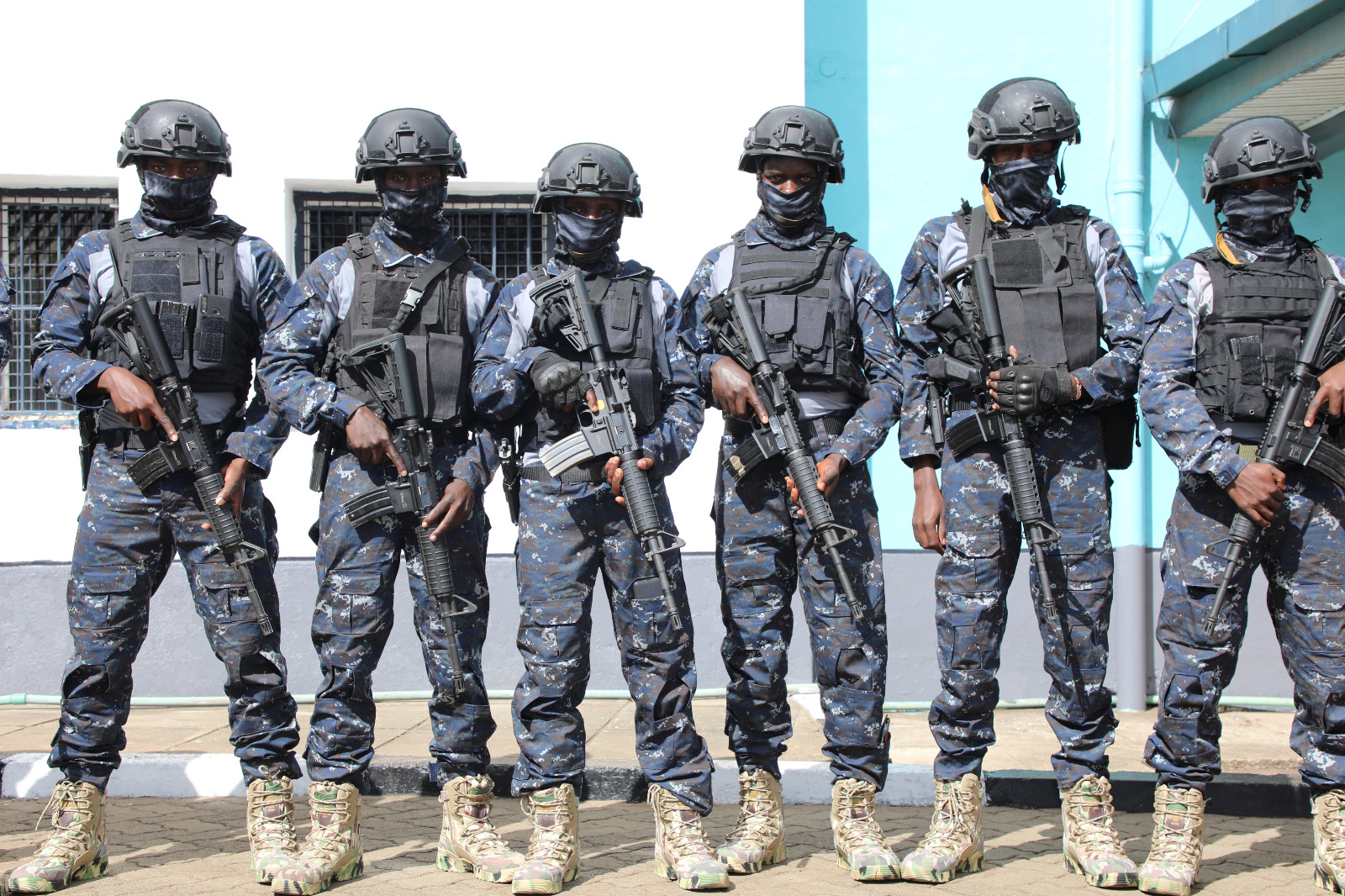

NAIROBI, Kenya, Nov 12 — A heated debate has erupted over the role and accountability of Anti-Terrorism Police Unit (ATPU) officers stationed along Kenya’s Coast, after video footage emerged showing masked officers confronted by travelers demanding to see their identification.
In the widely shared video, passengers at a checkpoint questioned officers on why their faces were covered.
One traveler, identifying himself as Francis, demanded to see an officer’s identification information.
“My name is Francis, what about you? I don’t know you. You should also show me your ID the way you are demanding from me.”
Another passenger challenged what he described as regional targeting.
“Why not Kisumu, why not Garissa, why here? You have been doing this for over 10 years. You should desist from this kind of discrimination.”
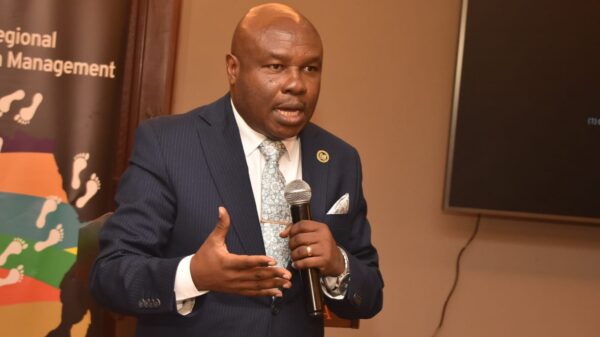
Human rights lobbyist Hussein Khalid, CEO of VOCAL Africa, criticized the officers, citing a High Court ruling requiring police engaging the public to display both uniforms and faces clearly.
“Why are officers at the Coast not following this court order? Who are these special officers who don’t abide by court rulings? This impunity, when will it end?” Khalid asked.
High-risk operational environment
Despite the criticism, several Kenyans defended the officers in a raging online debate, citing the high-risk operational environment in which they serve.
Social media users highlighted that masked deployments are essential for officer safety in terror-prone regions.
“Officers are deployed in a terror zone and have to mask up for their own security and operational camouflage. Harassing special ops officers is unwarranted,” one user said.
“These officers sacrifice personal comfort and safety every day to keep Kenyans safe from terrorism and violent extremism,” another post read.
Kenyans online have fiercely defended ATPU officers manning checkpoints before following an incident along the Marsabit–Isiolo Highway.
Those in support of the ATPU officers dismissed Senior Counsel Ahmednasir Abdullahi’s claims of harassment and bribery near Archer’s Post on September 29.
The claims drew swift pushback from road users, who described the officers as professional and disciplined in a highly sensitive security zone.
Court order
The controversy also intersects with longstanding legal directives. On August 14, 2024, the High Court, presided over by Justice Bahati Mwamuye, ordered that police must display uniforms and identification clearly and must not obscure their faces while performing official duties, particularly in public engagements.
Justice Mwamuye emphasized that officers must not “in any way hide or obscure their face so as to render them difficult to identify or unidentifiable,” and must not obscure the identification or markings of vehicles during public interactions.
On June 24, Embakasi East MP Babu Owino called for immediate enforcement of the ruling, warning that face-covering practices undermine public trust and violate constitutional mandates.
“As a legislator deeply committed to constitutionalism and the rule of law, I am gravely concerned by the continued practice of police officers wearing face masks while on official duty during public demonstrations,” Babu stated.
Renewed debate on ATPU operations has reignited the debate on balancing operational security with public accountability, highlighting tensions between counter-terrorism measures and adherence to the rule of law.