






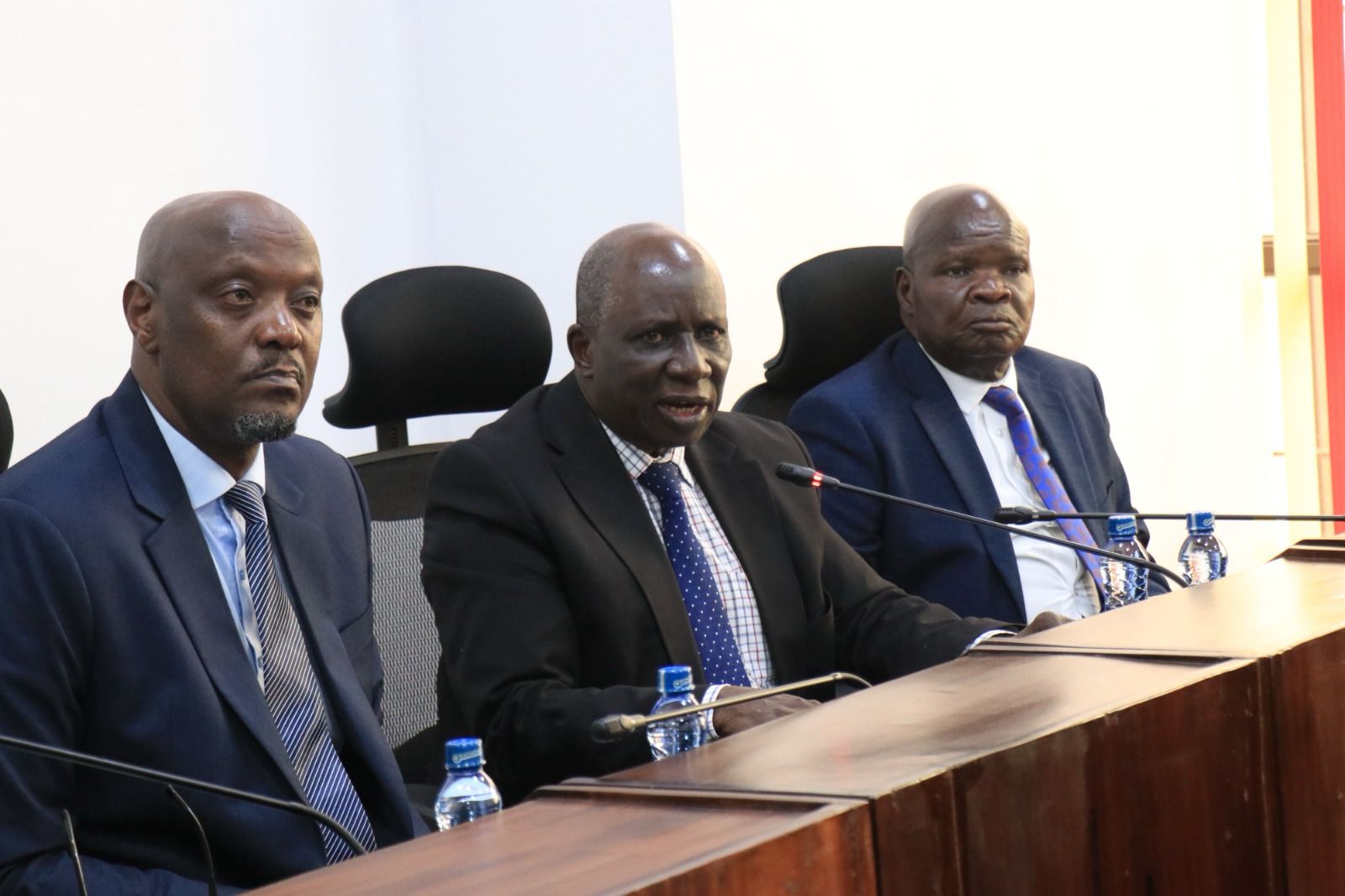

NAIROBI, Kenya Apr 22 – The National Assembly Health Committee has launched an 80-day public inquiry into allegations of unethical kidney transplant procedures at Mediheal Hospital’s Eldoret branch.
The inquiry, chaired by Seme MP Dr. James Nyikal, follows alarming claims raised by the Kenya Renal Association (KRA) regarding a potential organ trade network involving vulnerable donors and foreign recipients at the private facility.
In a statement dated May 3, 2024, KRA cited testimonies pointing to coercion, inadequate informed consent, and possible financial inducements to donors alleged practices that contravene both Kenyan law and international ethical standards governing organ transplants.
“This is a serious matter that touches on the dignity of life and the reputation of Kenya’s medical profession. We intend to get to the bottom of it,” said Nyikal.
“We are going to ask critical questions: Were the procedures at Mediheal in line with the Health Act and Human Tissue Act? Was there evidence of organ commercialization? Were donors fully informed, or were they deceived or coerced into donating?”
The probe comes amid mounting public concern and a recent investigative exposé implicating Mediheal in possible breaches of transplant ethics, including the commercialization of organ donations and “transplant tourism” a practice where foreign patients receive organs from local donors under questionable ethical and legal circumstances.
Mediheal Hospital, one of East Africa’s leading private healthcare providers, has offered organ transplant services for over a decade.
However, scrutiny has intensified in recent years over its Eldoret facility, which has emerged as a focal point of the controversy.
The committee will also examine the role of foreign nationals both as transplant recipients and as part of the hospital’s medical staff.
Questions have been raised about whether proper immigration and licensing procedures were followed for foreign doctors, and whether the relationships between donors and recipients, particularly in cross-border cases, were thoroughly vetted.
“Did Mediheal conduct due diligence in verifying the relationships between donors and recipients, especially where foreign nationals were involved? Were these matches medically appropriate, and did they meet ethical standards?” Nyikal posed.
The Ministry of Health had previously responded to the growing concerns. In December 2023, it constituted a multidisciplinary fact-finding team to audit transplant activities at Mediheal.
The team included transplant surgeons, ethicists, and representatives from the Kenya Blood Transfusion and Transplant Services (KBTTS), the Kenya Medical Practitioners and Dentists Council (KMPDC), and the KRA. Their mandate was to assess the hospital’s clinical, legal, and ethical compliance.
The matter escalated on April 17, 2025, when Health Cabinet Secretary Aden Duale suspended all transplant services at Mediheal hospitals across the country. He also appointed an Independent Expert Committee to audit all kidney transplants performed there over the past five years.
In addition, Duale suspended two senior officials from KBTTS Maurice Wakwabubi and Everlyne Chege to safeguard the integrity of the investigations.
The National Assembly inquiry, running parallel to the executive-led audit, will also assess the effectiveness of regulatory bodies including the Kenya Tissue and Transplant Authority, the Ministry of Health, and KMPDC. Lawmakers will seek to determine whether prior complaints or red flags were raised, how they were addressed, and whether oversight failures enabled unethical practices to flourish.
The committee’s terms of reference include evaluating the current oversight mechanisms licensing, monitoring, and auditing of transplant activities and whether existing legal frameworks are robust enough to prevent exploitation and abuse.
“Have our institutions failed in their mandate to protect Kenyans from exploitation? We want to know if the Kenya Medical Practitioners and Dentists Council and the Ministry of Health acted swiftly on any warnings they might have received,” said Nyikal.
To ensure transparency and public engagement, the committee will invite oral and written submissions from members of the public, healthcare professionals, and affected patients. It also plans to conduct physical inspections of the hospital and relevant facilities.
Patient records, donor-recipient declarations, and transplant approval documents may be reviewed under strict confidentiality safeguards.
“As we conduct this inquiry, our aim is not just to punish wrongdoing, but to strengthen our systems. We want to ensure that Kenya’s health sector is safe, ethical, and internationally respected,” Nyikal emphasized.