













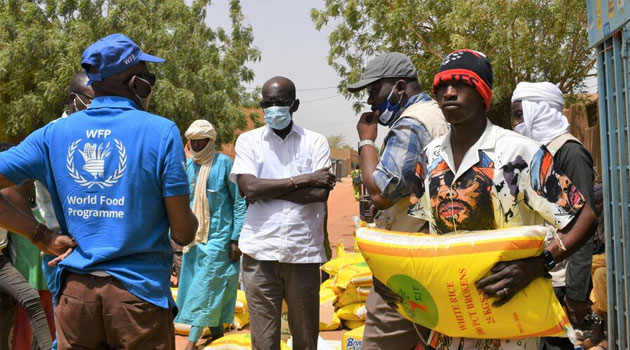

NAIROBI, Kenya, Sep 3 — Nearly one mission children in Mali are facing malnutrition amid a worsening humanitarian crisis aggravated by a protracted armed conflict that has displaced thousands.
The Word Food Programme (WFP) has warned that 200,000 children could die of hunger by December as the conflict impedes humanitarian access.
The cautionary statement by the UN agency followed an assessment tour during which officials from both WFP and UNICEF reviewed ongoing interventions in the country which suffered two successive coups in 2020 and 2021 with the military promising a return to civilian rule in March next year.
“Mali is going through a complex humanitarian crisis and needs urgent support to avert a disaster for children, who are again paying the highest price for a crisis not of their making,” said Ted Chaiban, UNICEF Deputy Executive Director for Humanitarian Action, and Supply Operations.
“UNICEF, WFP and partners have been present on the ground during some of Mali’s hardest years and we will continue to work on humanitarian and development issues for as long as our services are needed.”
In total, close to five million children are in urgent need of humanitarian assistance in Mali, including health, nutrition, education, and protection services – as well as access to safe water. The number shows an increase of at least 1.5 million children in need since 2020.
“It is of the utmost importance that we ensure the humanitarian crisis in Mali has the attention it needs. At a time when the world is in turmoil, we do not have the right to choose who to save. But we do have a duty to work together to save and change lives,” said Carl Skau, WFP’s Deputy Executive Director and Chief Operating Officer.
“We must do what we can to help vulnerable families, especially children and women, by working closely with our partners to prevent famine, tackle acute food insecurity and malnutrition head-on and strengthen their resilience.”
Violence, Conflict and Climate
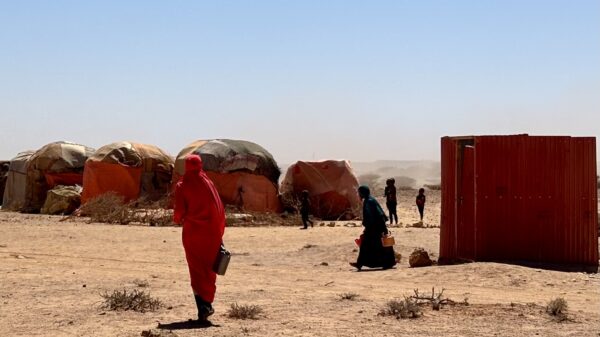
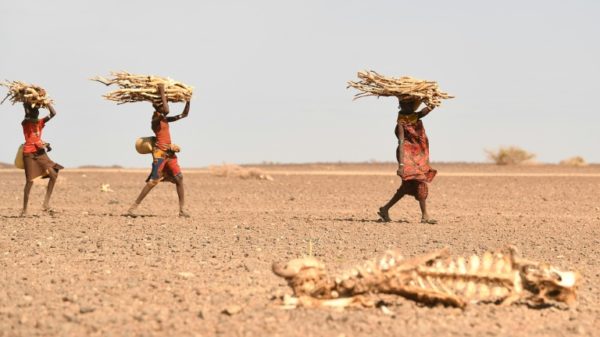
In addition to violence and conflict, climate shocks in some parts of the country have led to massive displacement in the last few months.
As of 30 June 2023, over 377,000 people have been forced to flee their homes, more than half of them children. According to latest estimates, at least 1.6 million children are in urgent need of protection in Mali.
In 2022, the United Nations verified 1,024 grave violations against children in the country, including recruitment and use by armed forces and armed groups, killing and maiming.
Conflict and lack of resources have also forced more than 1,700 schools to close, keeping at least half a million children from accessing education.
Despite the urgent situation, humanitarian appeals for Mali continue to be severely underfunded.
So far in 2023, just 21 per cent of the US $751.4 million required by the United Nations has been raised, while less than one-third of the 2023 UNICEF Humanitarian Appeal for Children in Mali is currently funded – US$ 8.5 million received in the first half of the year.
UNICEF and WFP urgently need US $184.4 million to reach 8.8 million people in 2023, including 4.7 million children. Funding will be essential to provide emergency food assistance to vulnerable people and support medical services, including fuel to keep vaccines cold and to buy more humanitarian supplies such as life-saving treatments for children with malnutrition.
The plight of children and families in Mali is part of a wider regional emergency in the central Sahel, which also includes Burkina Faso and Niger.
Despite these ongoing crises, humanitarian workers and supplies need to safely reach the most vulnerable children and families where urgently needed. Any disruptions or delays in aid delivery will have a negative impact on the survival of children and their families.
United Nations World Food Programme