















WOTE, Kenya, Nov 24 – The Devolution Donor Working Group has called for locally-led interventions to support adaptation to climate change and cushion rural communities from adverse effects.
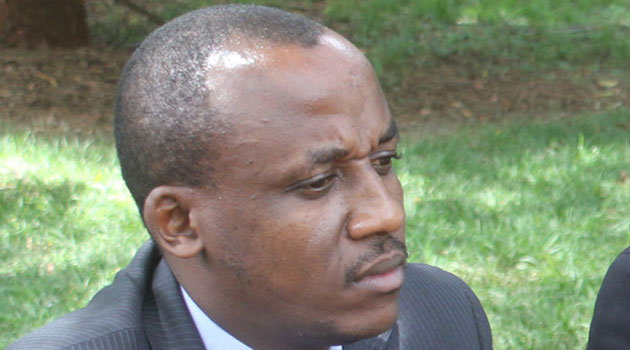
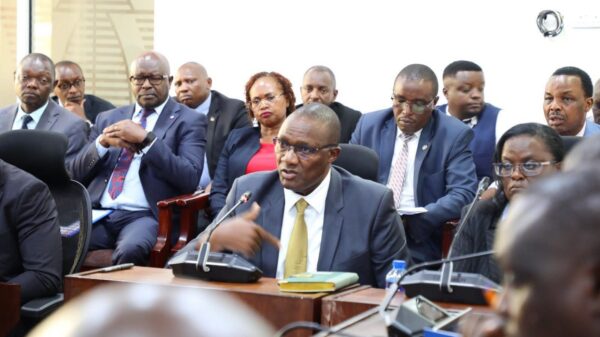
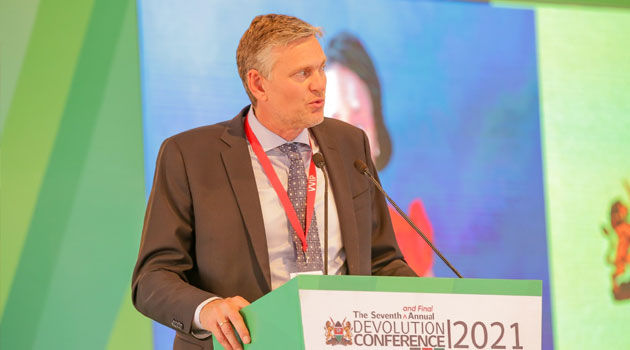
The Chairperson of the working group, Denmark’s envoy to Kenya Amb Ole Thonke, on Wednesday said county governments must take a leading role in formulating adaptive measures even as the national government joins global efforts to mitigate climate change.
“For me if we talk about climate mitigation, that needs a global solution but climate adaptation needs local solutions. That is where the counties come into this picture,” Amb Thonke said while delivering his remarks at the 7th Devolution Conference in Makueni.
He noted that several counties were already experiencing the impact of climate change particularly prolonged drought as a result of failed rains.
“It is in counties where the impact of climate change is felt; citizens suffer either because there’s no water for the animals or their crops will not grow because there’s too little rain,” the Danish diplomat noted.
Thonke pledged to rally donor support to enhance response to climate change at the county level.
“The message from us is that we as development partners we’re right there behind you. Climate change is a huge priority for all of us and we will direct more funding in the future towards climate change,” Amb Thonke stated.
He singled out the World Bank-funded climate action initiative dubbed Financing Locally–Led Climate Action (FLLoCA) set to be launched later on Wednesday among key interventions by international partners.
Under the FLLoCA program, the World Bank, Denmark and Sweden, are leading efforts to scale-up climate action at the grassroot level through a devolved climate finance model which supports joint partnerships between government and citizens to develop and implement solutions geared towards addressing climate change.
The five-year program approved by the World Bank on October 26, has since attracted commitments totaling USD150 million.
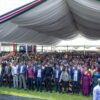
The 7th Devolution Conference themed ‘Multi-Level Governance for Climate Action: Sub-National Mobilization in Unlocking the Full Potential of Climate Action during and after Pandemics,’ will seek to build consensus on county-led climate action.
Several panel discussions were slated on Wednesday where panelists were expected to discuss climate change and pandemics at the sub-national level with the objective of seeking lasting solutions to human security challenges triggered by climate crises.
Five sector breakout sessions will also be held on thematic areas of sustainable urbanization, food systems, sustainable natural resources management, the impact of climate change on health in counties, and prevention and management of climate change instigated conflicts.