













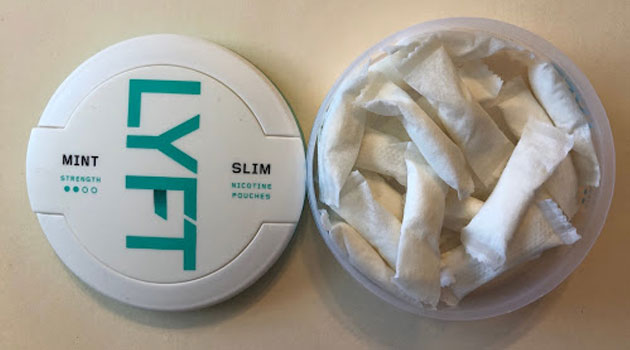

Recently, British American Tobacco’s (BAT) nicotine pouch marketed by the brand name ‘LYFT’ made headlines after the Ministry of Health Cabinet Secretary Mutahi Kagwe questioned its registration and licensing.
BAT positions Lyft as a tobacco-free modern oral nicotine pouch. BAT introduced the reduced-risk portfolio to provide consumers alternatives to the combustible cigarette.
The debate on tobacco consumption is highly contentious and has been around for quite a while.
The World Health Organisation reports that nicotine in tobacco is highly addictive and tobacco use is a major risk factor for cardiovascular and respiratory diseases, over 20 different types or subtypes of cancer, and many other debilitating health conditions. Every year, the WHO says, more than 8 million people die from tobacco use.
Their position is that the world should seek an end to tobacco use. But are we giving science enough room in the conversation?
Ahead of the 75th United Nations General Assembly last month, Philip Morris International CEO André Calantzopoulos discussed the impact of uncertainty, polarization, hyper-partisanship, and ideology on international efforts to overcome pressing global issues. He proferred that conversations should be based on factual, scientific objectivity.
Calantzopoulos – who was speaking at the Concordia Annual Summit, shared PMI’s belief that with the right regulatory encouragement and support from civil society, cigarette sales can end within 10 to 15 years in many countries.
The major cigarette makers say that they have invested billions of dollars in the science that would lead to less harmful tobacco consumption in the form of pouches or heated tobacco. But are these products yet another marketing gimmick, or do they have merit?
The scientific community should lead the way in investigating the validity of the reduced-risk or smoke-free alternatives and offering a better, evidence-based understanding of the tobacco-related issues that we face.
The health consequences of tobacco smoking are well documented; if current trends continue, it has been estimated that globally, a billion lives will be lost to tobacco smoking in the twenty-first century.
The industry has started the journey towards embracing harm-reduction products. However, it’s an effort that requires all players’ involvement to ensure that the consumer is protected and underlying interests don’t take precedence.
These efforts should be led by independent science for transparency and the collaboration of governments, regulators, the health community, and the private sector to drive progress.
During his Wall Street Journal address, PMI CEO Calantzopoulos called for a combined effort by all stakeholders to fight the dangers of smoking as significant change cannot be done by governments or companies alone.
In this case, smokers maintain their liberty to access cigarettes but should be informed of the dangers it poses to their health. Similarly, smokers have the right to be informed about the less harmful products to make informed decisions.
Arguably the best test of this stance to date has been in Japan, where heated tobacco products have captured more than 20 percent of the total tobacco market since they were introduced a few years ago. Researchers from the American Cancer Society have attributed significant reductions in Japan’s smoking rates to the availability of these products.
In June, the United States Food and Drug Administration (FDA) authorized the marketing of PMI’s “IQOS Tobacco Heating System” as modified risk tobacco products (MRTPs). The FDA aims to ensure that information directed at consumers about the reduced risk or reduced exposure from using a tobacco product is supported by scientific evidence and is understandable.
In Kenya, BAT’s oral nicotine product category was a significant first step towards transforming the tobacco industry. It provides a viable alternative to smoking and a potentially less risky one.
It is fair to approach the tobacco industry with skepticism, but it is prudent to let science lead the future of tobacco consumption.
Not smoking in the first place is undoubtedly the best approach and should be championed at all times. Governments and regulators have to adhere to their mandate of transparently communicating to the public. Those who do not currently use tobacco products should not start using them or any other tobacco product.
For those adults who would otherwise continue smoking, science should substantiate whether these harm-reducing products work and, for policymakers, the best way of regulating them.
Vivian Manyeki is a medical doctor.