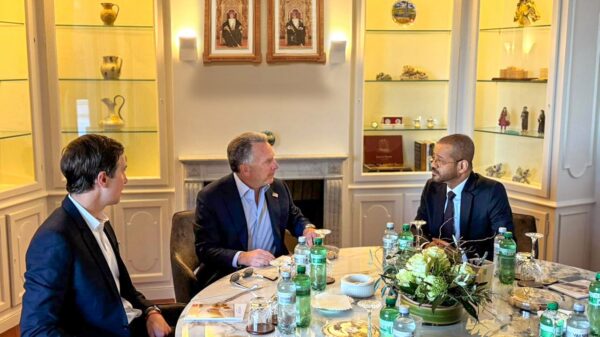












The United States is ramping up diplomatic efforts to ease tensions with Iran, with senior envoys Steve Witkoff and Jared Kushner set to travel to Pakistan for renewed negotiations, the White House has confirmed.
The talks, expected to take place in Islamabad, come at a critical moment as Washington seeks to stabilize a fragile ceasefire and prevent further escalation in the long-running standoff with Tehran.
Pakistan has emerged as a key intermediary in the negotiations, hosting multiple rounds of indirect discussions between U.S. and Iranian officials. By facilitating dialogue, Islamabad is positioning itself as a neutral ground where both sides can engage without direct confrontation.
Officials familiar with the process say the upcoming meetings could involve senior Iranian representatives, including Foreign Minister Abbas Araghchi, although Tehran has sent mixed signals about its participation in direct talks with Washington.
The latest diplomatic push follows earlier negotiations that failed to yield a breakthrough despite extended sessions. Key sticking points remain unresolved, particularly around Iran’s nuclear program, sanctions relief, and broader regional security concerns.
The U.S. administration believes there is still a window for progress, especially after a temporary ceasefire created space for dialogue. Washington has indicated cautious optimism, noting what it describes as “encouraging signals” from Tehran.
Witkoff, serving as a special envoy, is leading the diplomatic initiative, while Kushner—who has played roles in previous negotiations—is expected to support strategic engagement efforts.
Notably absent from the trip is Vice President JD Vance, who had been involved in earlier rounds of talks. However, officials say he remains on standby should negotiations gain momentum.
The outcome of the Pakistan talks could have far-reaching implications for stability in the Middle East and beyond. A successful agreement could ease tensions, reduce the risk of military confrontation, and potentially pave the way for broader cooperation.
Conversely, failure to reach consensus may deepen mistrust and prolong the current crisis, with global economic and security consequences.
While both sides appear willing to return to the negotiating table, significant challenges remain. Iran has previously insisted on firm guarantees regarding sanctions relief, while the U.S. continues to push for stricter oversight of Tehran’s nuclear activities.
As Witkoff and Kushner prepare for the high-stakes mission, the international community will be watching closely to see whether diplomacy can succeed where previous efforts have fallen short.