







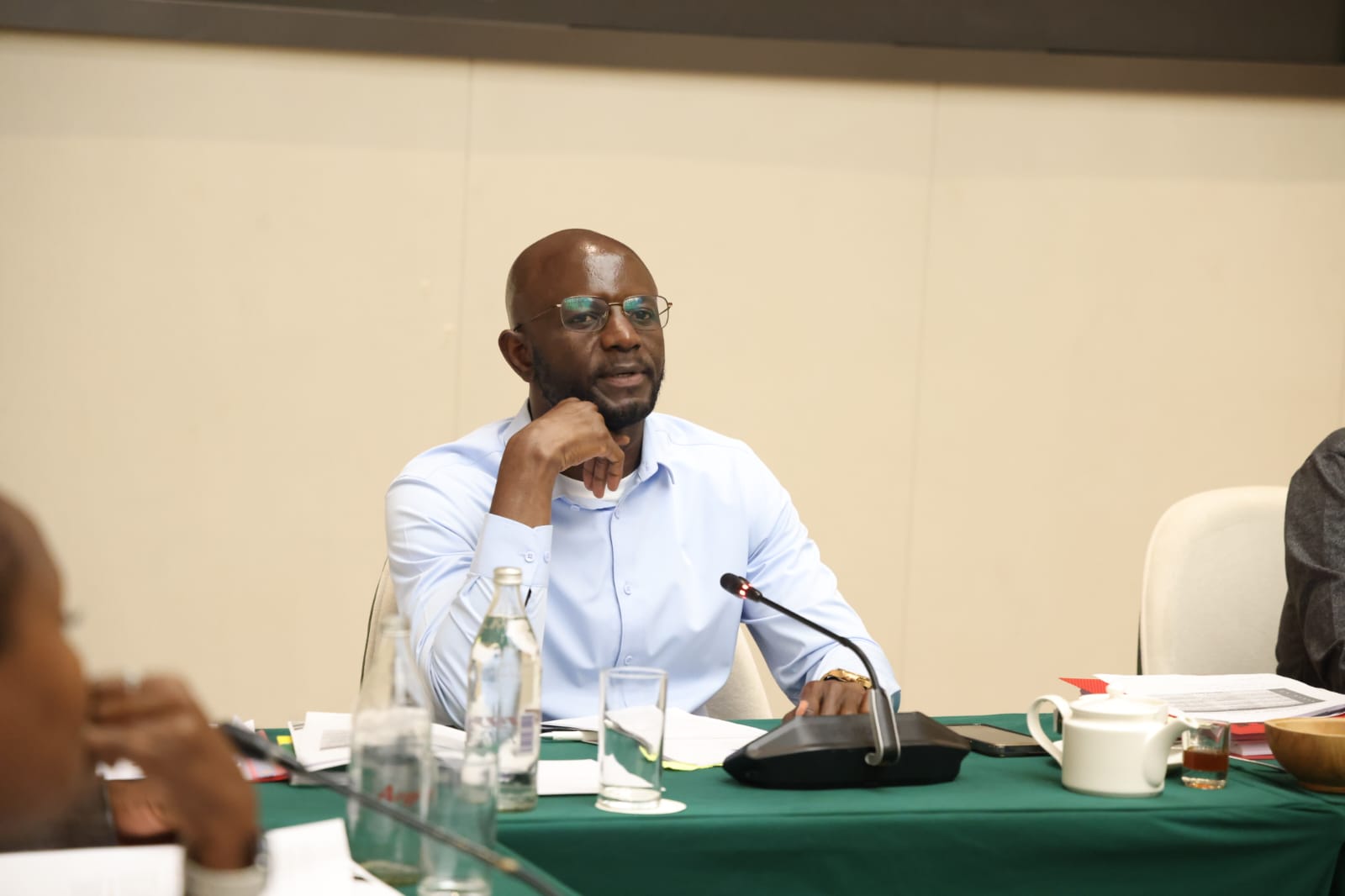

NAIROBI, Kenya May 26 – The Budget and Appropriations Committee has called for enhanced fiscal discipline and better prioritisation across government sectors, warning against fragmented funding, overlapping programmes and inefficiencies in project implementation.
The Committee, chaired by Samuel Atandi, made the remarks during a series of budget review sessions with the Defence, Intelligence and Foreign Relations Committee chaired by Nelson Koech; the Administration and Internal Security Committee chaired by Gabriel Tong’oyo; the Regional Development Committee chaired by Peter Lochakapong; the Labour Committee chaired by Ken Chonga; and the Tourism and Wildlife Committee chaired by Kareke Mbiuki.
The Committee also heard submissions from the Finance and National Planning Committee led by Kimani Kuria and the Energy Committee chaired by David Gikaria.
Engaging the Defence, Intelligence and Foreign Relations Committee chaired by Nelson Koech, the Budget Committee underscored the need to fully resource Kenya’s 71 diplomatic missions abroad, noting that nearly 70 per cent of the Foreign Affairs budget is absorbed by overseas operations.
Members noted that the State Department for Foreign Affairs has been allocated KSh 26.83 billion, with KSh 24.47 billion for recurrent expenditure and KSh 2.36 billion for development programmes, driven largely by expanded diplomatic postings and staffing requirements.
MPs emphasised that embassies remain “the first line of service delivery” for Kenyans abroad, calling for enhanced funding for consular services, emergency evacuations, passport facilitation and repatriation of distressed citizens.
The Committee also flagged a funding gap of KSh 1.11 billion in the State Department for Diaspora Affairs against a requirement of KSh 1.93 billion, noting unfunded priorities including KSh 300 million for evacuation and repatriation and KSh 400 million for diaspora mission operations.
The Budget Committee further urged increased allocation to the State Department for East African Community Affairs to strengthen cross-border cooperation and address persistent non-tariff barriers that continue to limit regional trade.
Members observed that underfunding and staffing constraints at border points are undermining Kenya’s ability to fully benefit from regional markets and integration frameworks.
During a meeting with the Finance and National Planning Committee chaired by Kimani Kuria, the Budget Committee stressed the need for fiscal alignment to ensure sustainability of external service delivery, particularly diplomatic expansion and diaspora support programmes.
On the Administration and Internal Security Committee chaired by Gabriel Tong’oyo, the Budget Committee backed enhanced funding for police welfare, infrastructure and operational readiness ahead of the 2027 General Election.
Key allocations include recruitment and training of police officers, alongside KSh 3.9 billion for stipends to village elders, aimed at strengthening grassroots security coordination.
Lawmakers also noted that the National Police Service budget stands at KSh 147 billion, with a significant share consumed by personnel costs, including implementation of the Social Health Authority (SHA) medical cover.
The Committee further supported additional funding for election preparedness, modernisation of security systems and digitisation of civil registration and identity management services.
The Budget Committee also engaged the Regional Development Committee chaired by Peter Lochakapong, where members raised concerns over chronic underfunding of ASAL programmes, drought response mechanisms and regional authorities.
MPs noted that key programmes such as the Hunger Safety Net face a shortfall of approximately KSh 4 billion, while regional development authorities continue to accumulate significant pending bills.
Concerns were also raised over duplication of functions between regional bodies and county governments, with calls for policy harmonisation and improved coordination.
In submissions from the Tourism and Wildlife Committee chaired by Kareke Mbiuki, lawmakers discussed emerging opportunities in carbon credit markets, noting that while private conservancies are benefiting, national parks are yet to fully capitalise on the mechanism.
The Committee urged engagement with the Kenya Wildlife Service to develop frameworks for monetising carbon credits from protected areas to boost conservation financing.
The Budget and Appropriations Committee is expected to continue receiving submissions from departmental committees before tabling its report on the 2026/27 budget estimates next week.