

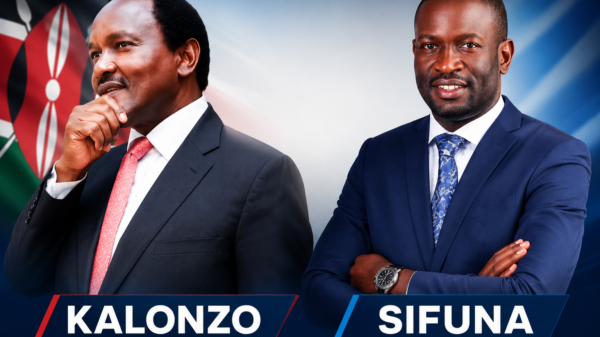









NAIROBI, Kenya, Mar 10 — William Ruto on Tuesday rebuked what he described as “self-appointed supervisors” of the political cooperation pact between the ruling United Democratic Alliance (UDA) and the Orange Democratic Movement (ODM), in a veiled reference to the Orange Party’s beleaguered Seceretary General Edwin Sifuna.
The Nairobi Senator has emerged as one of the most vocal critics of the broad-based political arrangement between ODM and the Ruto administration.
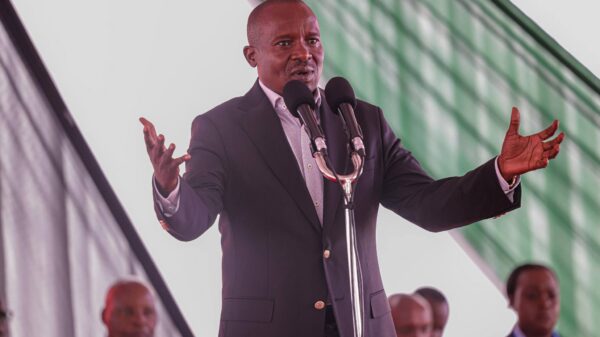
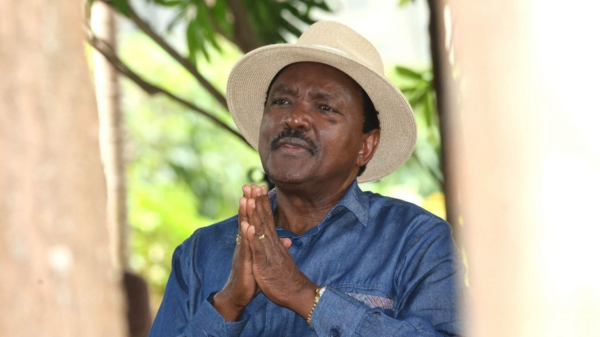
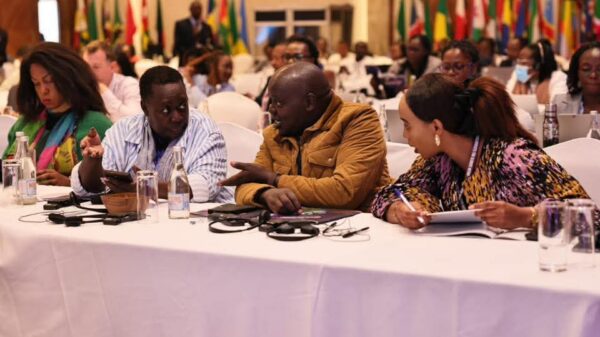
Speaking during a joint parliamentary group meeting of the two parties at the Kenyatta International Convention Centre in Nairobi, Ruto defended the UDA–ODM 10-point agenda, insisting the commitment was made directly to Kenyans rather than to politicians claiming oversight of the agreement.
“There are some people who want to appoint themselves supervisors as if we made the commitment to them,” Ruto said.
“We did not make the commitment to them. We made the commitment to the people of Kenya, and our responsibility and reporting is to the people of Kenya.”
His remarks come amid growing internal tensions within ODM over the broad-based political framework forged between Ruto and former Prime Minister Raila Odinga — a deal that some party leaders, including Sifuna, have openly criticized.
The meeting marked just over a year since the signing of the memorandum of understanding that established the cooperation framework between the Kenya Kwanza administration and ODM.
Stability
Ruto defended the alliance as a necessary step to stabilize Kenya’s politics and redirect leadership toward economic and social challenges.
“For too long, our politics had been consumed and trapped by division, tribal competition and regional rivalry instead of focusing on the real issues affecting the lives of all Kenyans,” he said.
“We resolved to change that.”
The president also paid tribute to Odinga, describing him as a key architect of the cooperation framework.
“Although our brother Raila is no longer with us physically, his wisdom, foresight and enduring commitment to the nation continue to guide our shared journey,” Ruto said.
The joint meeting reviewed progress on the 10-point agenda, largely derived from recommendations of the National Dialogue Committee (NADCO), which addressed issues ranging from electoral reforms and economic stability to governance and the cost of living.
Ruto said the cooperation between the two parties had contributed to political stability and enabled government programs to move forward.
Among the developments he cited was the reconstitution of the Independent Electoral and Boundaries Commission (IEBC), which he said had already overseen several by-elections following the resolution of legal disputes around its formation.
Gains
The president also highlighted measures aimed at easing the cost of living, including increased agricultural production, fuel price stabilization, expanded education funding, and the rollout of the Social Health Insurance program.
According to Ruto, nearly 30 million Kenyans are expected to be enrolled in the national health insurance framework within weeks.
He also pointed to youth job creation programs in housing, labor mobility, the digital economy and youth enterprise, saying the initiatives had created opportunities for about 1.8 million young people.
“I believe the young people of this country deserve my time,” Ruto said, referring to his direct involvement in youth grant initiatives.
The president further reaffirmed the government’s commitment to devolution, describing it as “the heart of the Constitution” and a key pillar of the UDA–ODM cooperation framework.
Earlier during the meeting, Oburu Odinga said the broad-based arrangement between the two parties began even before the signing of the 10-point agenda and would remain in place until the 2027 General Election.
The report presented to the meeting outlined progress in several areas including electoral reforms, infrastructure development, and compensation for victims of protest-related violence.
The cooperation between UDA and sections of ODM emerged as part of broader efforts to ease political tensions and advance governance reforms after years of intense partisan rivalry in Kenya’s politics.