















NAIROBI, Kenya, Mar 11 — Kenya’s indigenous communities living in resource-rich regions face widespread land dispossession, environmental degradation, and exclusion from development decisions, a new report by the Kenya National Commission on Human Rights (KNCHR) has revealed.
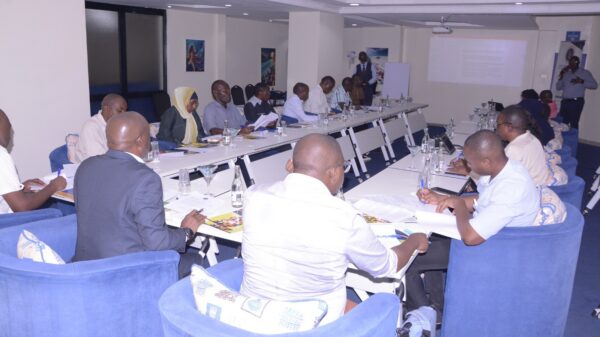
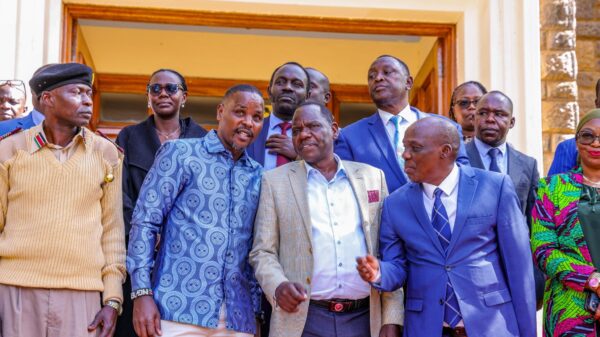
The report, titled “Voices from the Land: Where Businesses and Investments Impact Traditions, Culture and Human Rights,” was launched in Nakuru on Tuesday following a public inquiry examining the effects of large-scale business projects on indigenous populations across 13 counties.
The inquiry found that while many indigenous territories sit atop valuable natural resources — from oil fields and wind energy sites to wildlife conservancies and infrastructure corridors — communities living there often experience marginalization and human rights violations tied to development projects.
“Kenyan indigenous communities inhabit some of the richest resource bases but are marginalized politically and economically,” the commission said in its findings, citing evidence gathered through testimonies, field visits, memoranda, and legal analysis.
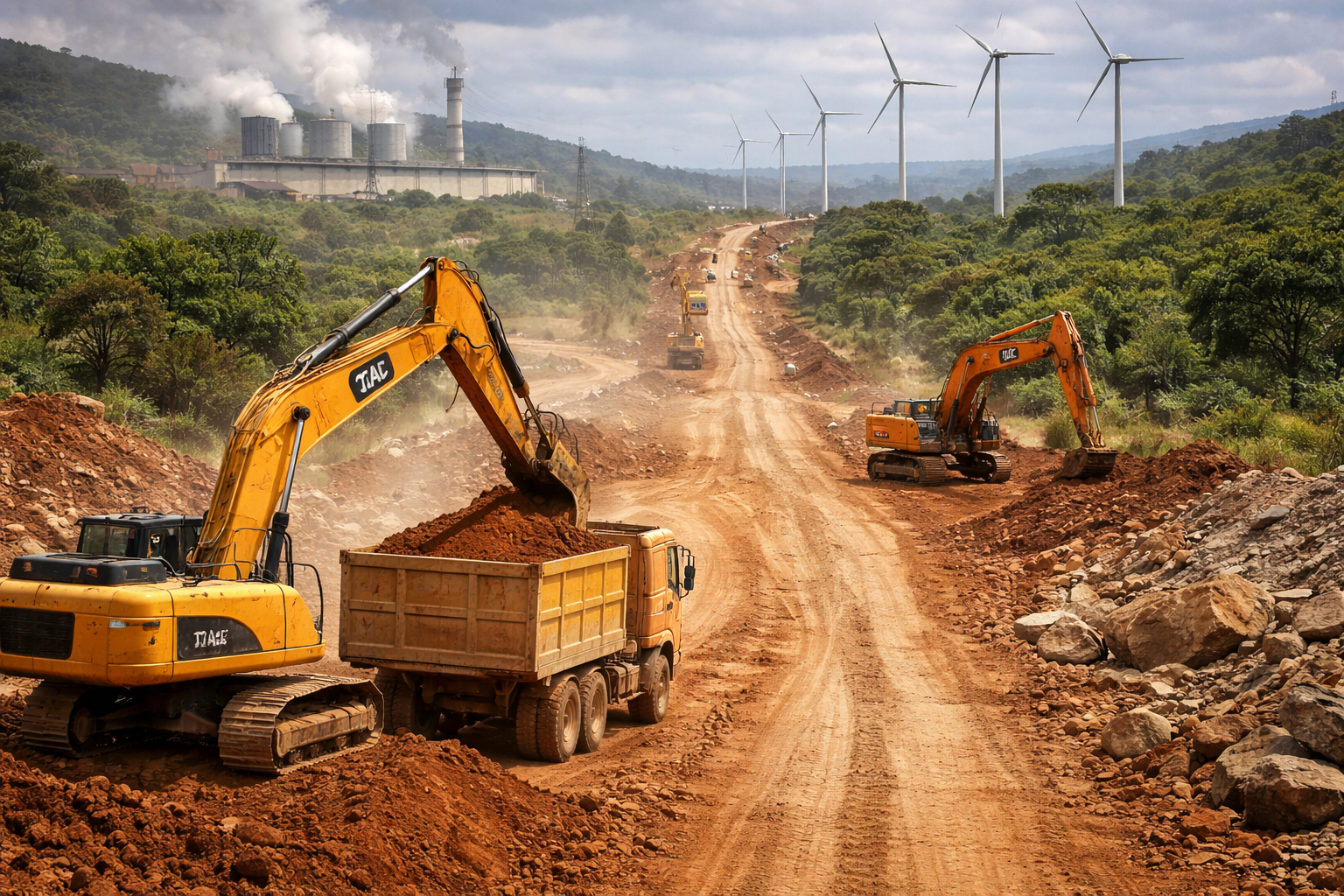
The report highlights that business operations, ranging from extractive industries and energy projects to conservation ventures and large infrastructure developments, have reshaped indigenous landscapes and livelihoods.
Cultural disruption
Recurring patterns documented include land dispossession, environmental harm, labor exploitation, and cultural disruption affecting communities such as the Ogiek, Sengwer, Endorois, Maasai, Turkana, Rendille, Boni, and Aweer.
Residents reported loss of ancestral land, restricted access to sacred sites and grazing routes, and inadequate compensation for displacement linked to projects including wind farms, geothermal plants, conservancies, large-scale agriculture, and transport corridors.
The inquiry also raised concerns about sexual and gender-based violence around development projects, labor rights abuses, and exclusion of local workers from employment opportunities in ventures operating on their ancestral lands.
While energy generation, extractive industries, tourism, and conservation projects are often promoted as engines of national economic growth, the inquiry concluded that such ventures frequently proceed without meaningful consultation with local communities, violating the principle of Free, Prior, and Informed Consent (FPIC) recognized in international human rights law.
Limited participation
Weak enforcement of environmental safeguards and limited community participation have compounded tensions between investors, government agencies, and indigenous populations, the report noted.
Speaking at the launch, KNCHR Chairperson Claris Ogangah emphasized that the report should drive action rather than remain symbolic.
“This report must not sit on the shelf,” Ogangah said, adding that the commission would engage government agencies, businesses, and other stakeholders to ensure concrete, time-bound steps to protect indigenous rights.
The inquiry urges the Kenyan government to strengthen legal protections for community land, enforce FPIC in development projects, and ratify international instruments on indigenous peoples’ rights.
Companies operating in indigenous territories are called upon to adopt human rights due diligence aligned with global standards, such as the United Nations Guiding Principles on Business and Human Rights.
For many indigenous groups, the issue transcends economics, touching on identity and survival. Community representatives described ancestral land as central to their cultural heritage, spirituality, and livelihoods, warning that development without consultation risks eroding centuries-old traditions.
“The land is our mother. When the land is taken, our identity is lost,” an elder from the Ogiek community told the inquiry, according to the report.
The KNCHR said it will continue working with civil society, county governments, and the private sector to ensure that development projects respect human rights while advancing Kenya’s economic ambitions.
“The protection of indigenous peoples’ rights is not only a human rights imperative,” the commission concluded.
“It is essential to building inclusive and sustainable development in Kenya.”